


Free on-site gate assessment - hinges, posts, and your LiftMaster or Nice gate operator checked before anything is quoted
The assessment is free and the quote is the invoice.
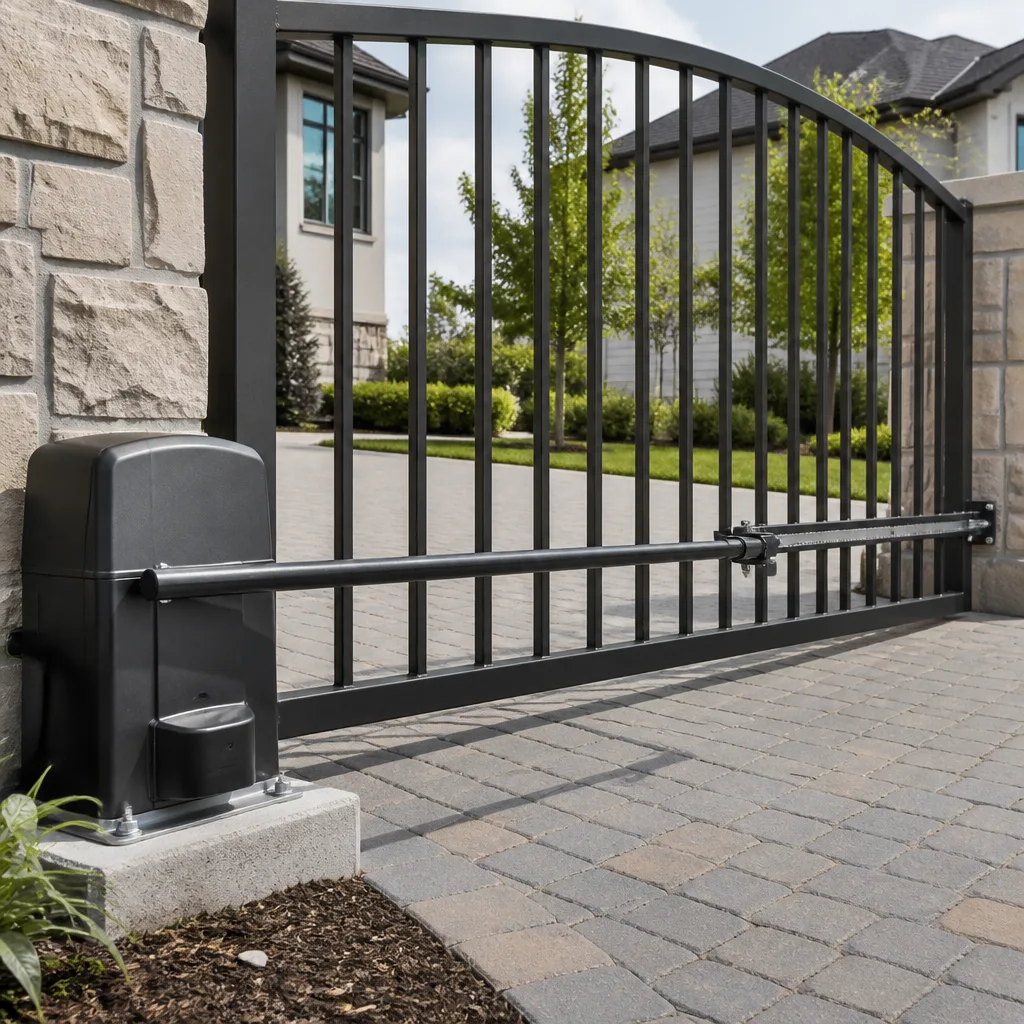
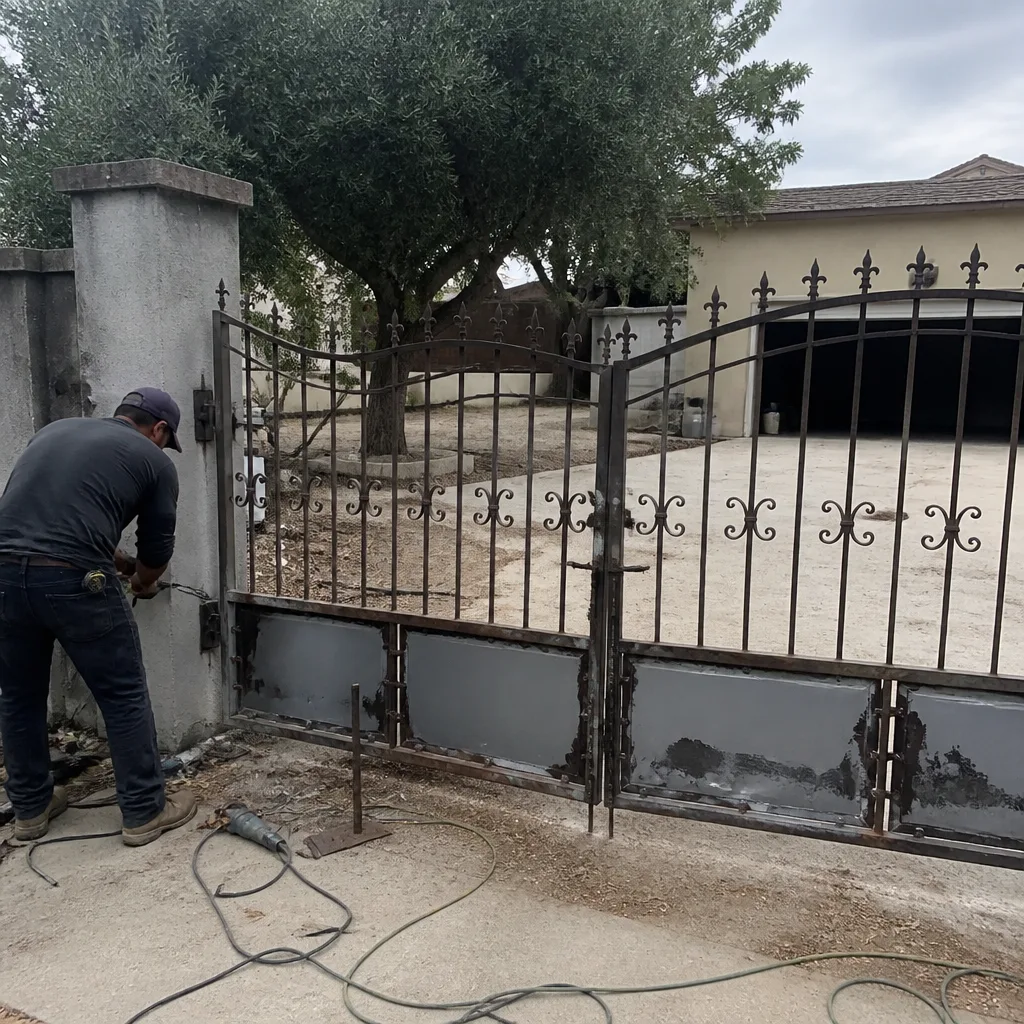 Before
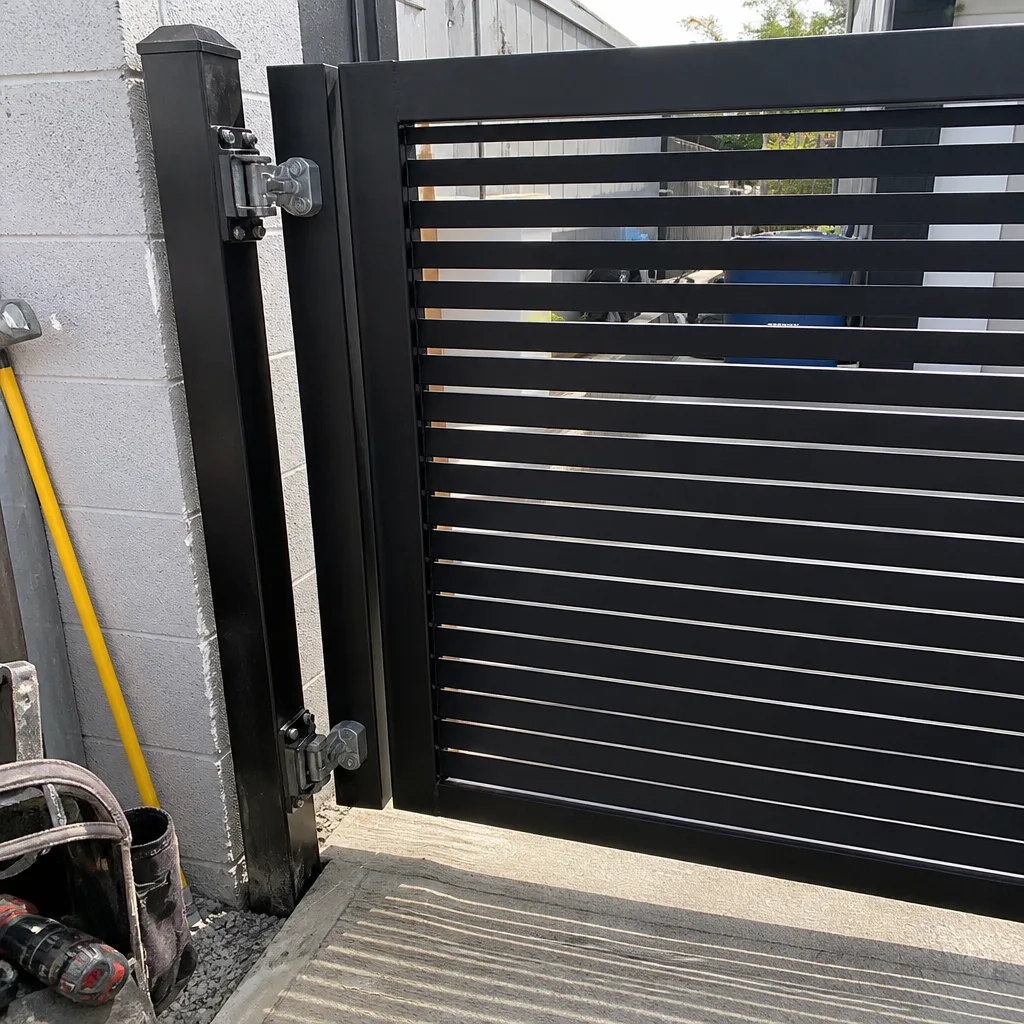 After
After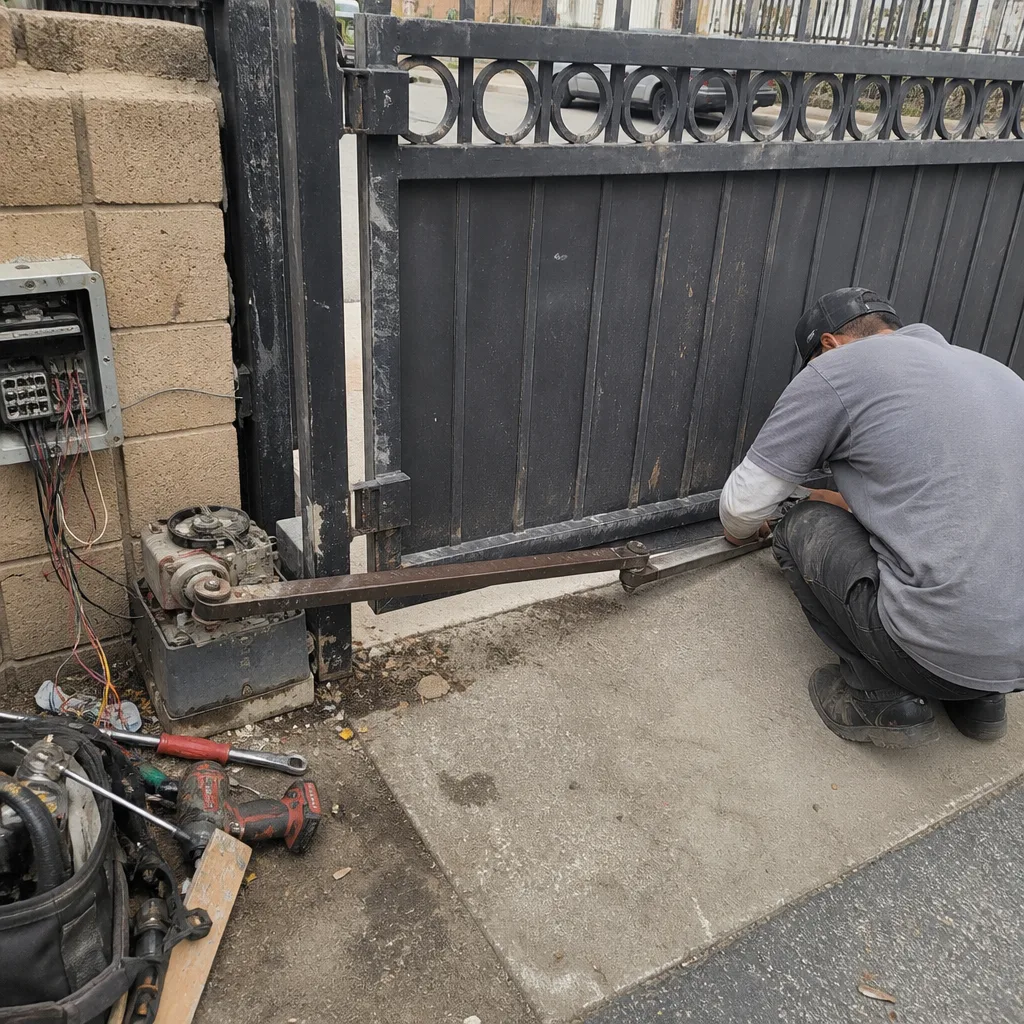 Before
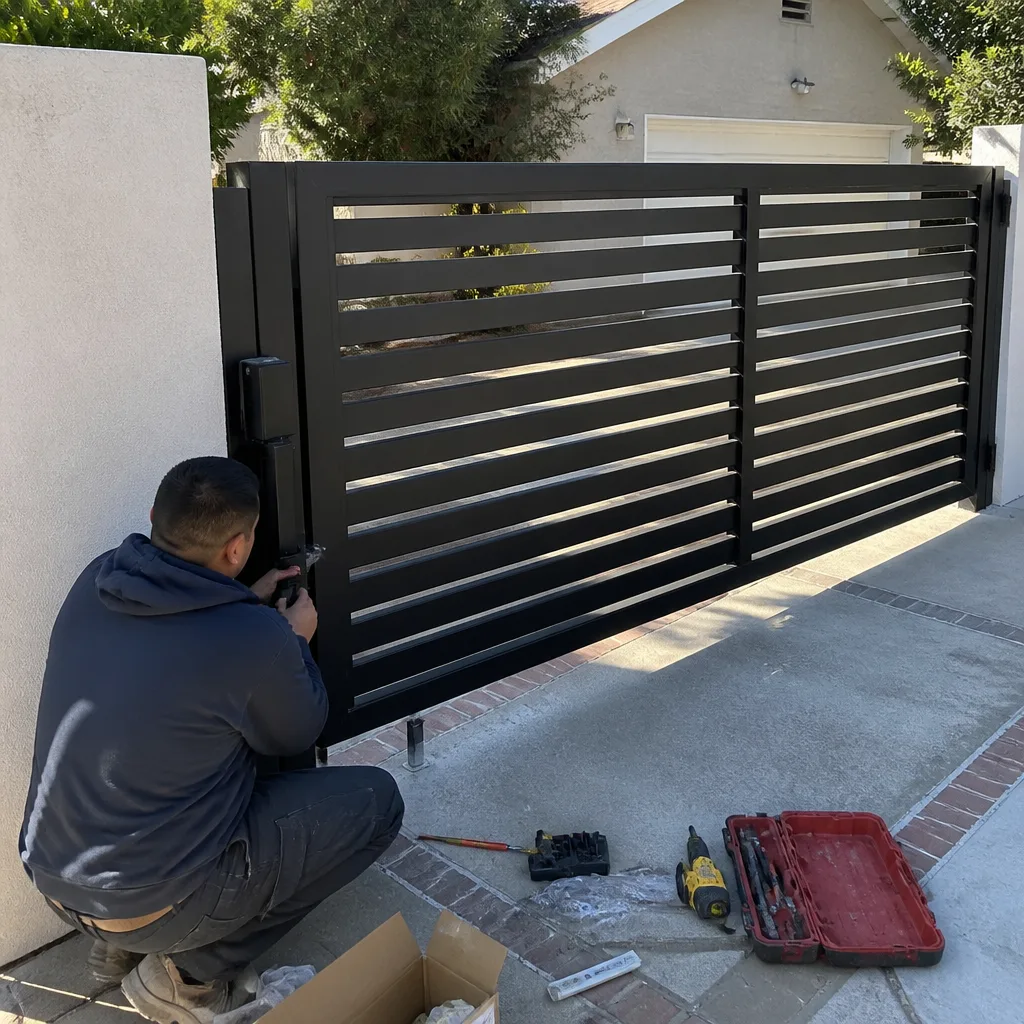 After
After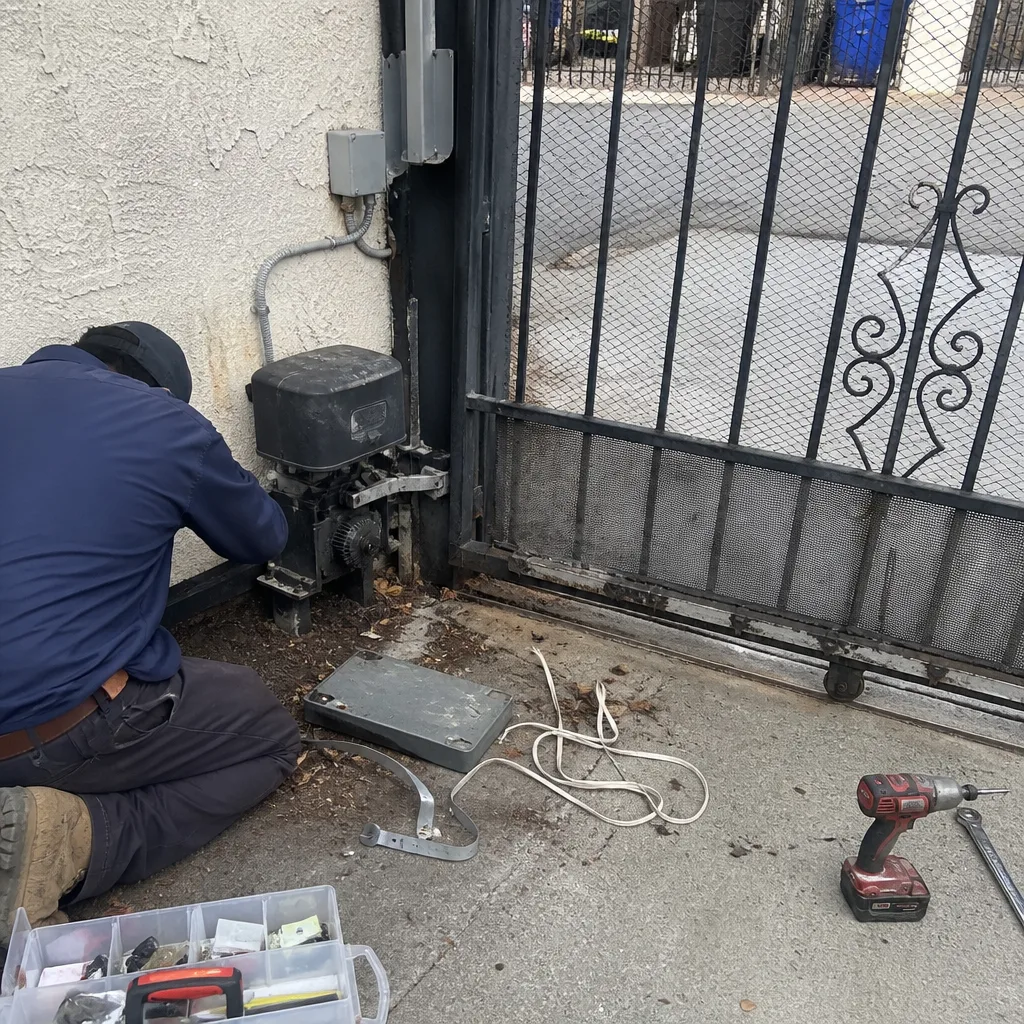 Before
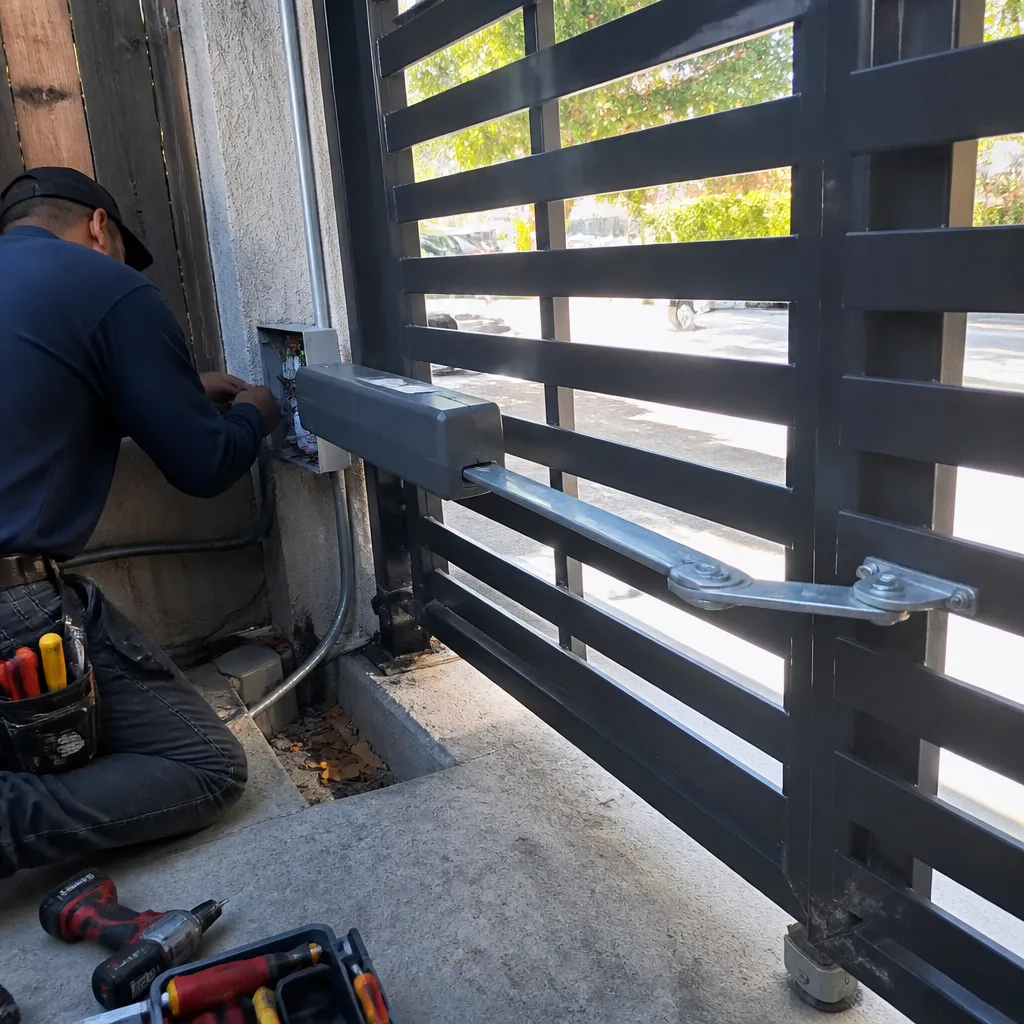 After
AfterFast, Reliable Gate Opener Repair Across Washington
Most gate opener repairs in Washington run $180 – $390 before parts, and we can usually have a technician at your gate the same day you call for our Electric Gate Repair in Washington. If your swing gate is grinding, refusing to open, or moving in slow motion, that’s a job for someone who knows DC’s particular gate problems, not a handyman guessing at it. Calder Gate Repair covers every neighborhood in Washington from Georgetown to Anacostia. Call (903) 417-0793 and a live person answers, 24/7, ready to schedule a real arrival time you can track.
Why Calder Gate Repair Is Washington’s Preferred Gate Opener Repair Company
We’re the dedicated gate repair team inside the Relay Home Co. family, which has operated since 2009. Our Washington crews work exclusively on gates and gate openers, so we arrive already knowing your equipment. We’re factory-familiar with LiftMaster, FAAC, BFT, Linear, Viking, Ghost Controls, DoorKing, Elite, and Mighty Mule. That matters when your opener is a ten-year-old Linear swinging a 300-pound iron gate over a cracked masonry pier.
We work the way DC homeowners actually want to deal with trades: you get a live arrival time before the truck rolls, a written price before any work starts, and a digital invoice you can pay from your phone. Every job carries the 365-Day Done Right Promise in writing. If the repair fails within 365 days, we come back at no charge. That’s not a marketing line. It’s printed on every job sheet.
Nico Alvarez leads our gate repair team. He’s the name on the work order, and he stands behind what the name means in neighborhoods like Capitol Hill, Shaw, and Cleveland Park.
Gate Opener With Keypad in Washington
A gate opener with keypad is the most common setup we repair in Washington, and when those keypads fail, it’s usually after a winter of salt spray and freeze-thaw cycles working on the wiring inside the keypad face. We replace keypad membranes, re-terminate corroded low-voltage connections, and reprogram existing codes so you don’t have to hand out new ones to every neighbor and delivery driver. A keypad replacement or hardwired keypad repair in Washington typically lands in the $95 – $220 range, depending on whether we’re swapping just the pad or pulling new low-voltage wire through a masonry wall.
Keypad Entry Issues
Keys stop registering, or the keypad works but the gate ignores it. In most cases we find moisture intrusion or a failing relay. We open the unit, clean the board, re-seat the ribbon connector, and test every digit on-site before we call it done.
The backlit keypad face isn’t just cosmetic. When it dims or flickers, the unit is losing power, and that’s often a sign the low-voltage transformer has started failing. We check that at the same time.
Programming and Code Changes
If a tenant moved out, a cleaner changed services, or you simply lost the master code, we can reprogram a LiftMaster, FAAC, or Linear keypad in one visit. We also set up temporary codes for delivery windows that expire automatically.
Gate Operator in Washington
A gate operator in Washington often has to live on the side of a brick or stone pier, and that placement drives most of what we see in the field. The operator arm flexes, the mounting bracket loosens, and within a few months the whole mechanism is binding. We re-anchor operators to the pier with new wedge anchors, re-align the arm to the gate leaf, and set travel limits so the motor stops fighting itself. Full operator repair or replacement in Washington typically runs $260 – $640 before any new operator or parts, depending on gate weight and access.
Operator Mounting and Anchoring
Washington’s historic districts are full of heavy gates swinging from piers built decades ago to different standards. When the pier face is soft or cracked, bolting a new operator to the old holes is a temporary fix at best. We re-secure the bracket with fresh anchors into solid material, or we set a new steel post next to the pier and mount to that.
Shallow urban soils shift. A pier that looked square in spring can be a half-inch out by fall. That half-inch shows up as binding at the rack or drift at the limits, and it’s one of the most common “the opener runs but the gate barely moves” calls we get in neighborhoods like Bloomingdale and Eckington.

Limit and Force Settings
A gate operator that grinds at the end of travel is one that has lost its limits. We reset travel and force on every operator we touch, then run multiple open and close cycles with a physical test block to verify UL 325 entrapment protection is working. If the gate can’t detect an obstruction and reverse, we don’t leave it that way.
Trusted Brands We Service in Washington
We repair and replace gate openers from the brands DC homeowners actually have. We commonly bring parts for LiftMaster, FAAC, BFT, Linear, Viking, Ghost Controls, DoorKing, Elite, and Mighty Mule on our trucks, and if a board or arm has to be ordered, we tell you the lead time before you approve anything. When a FAAC swing arm has failed, we don’t try to sell you a different brand. We source the right part, get it shipped, and have your gate working again without a full-system replacement you didn’t need. That’s the difference between a generic repair outfit and a shop that knows the brand-specific failure patterns across Washington’s most common models.
Common Gate Opener Repair Problems We See in Washington Homes
- Sagging swing gate panels: Older DC rowhouse gates hang heavy, and when the hinge post or control arm comes out of square, the panel sags and drags at the operator. We realign the post, rebuild the hinge point, and retest the operator against the corrected load.
- Disabled or misaligned safety sensors: Photocells and edge sensors get knocked loose in tight urban driveways and alleys. Washington properties are often tight to the sidewalk, so a bumped sensor is common. We realign, rewire, and test the full safety circuit before we leave.
- Keypad and loop detector wiring failures: DC winters bring freeze-thaw cycles and municipal salt treatment, and both take a toll on exterior-grade wiring at the unit and in the ground. We repair or replace keypad and loop wiring before it fails completely.
- Operators bolted to shifted piers: Washington’s clay and fill soils move. When a pier shifts, the operator’s rack-and-pinion binding or limit drift follows. We diagnose that movement and re-anchor to a stable point or pour a new post footing.
Pricing for Gate Opener Repair in Washington, DC
Our service call to any Washington address is $89, applied toward the repair work. Keypad repair or replacement typically runs $95 – $220. A full gate operator diagnosis and repair usually lands between $260 – $640 depending on whether rack arms, brackets, or control boards need replacement. Most jobs we complete in one visit. We quote every job in writing before any work begins, so when you approve a repair, that’s the number on the invoice. Call us at (903) 417-0793 for a free estimate over the phone, and we’ll send a technician to your gate with a real arrival time. For a broader look at how we handle these systems, see our Gate Opener Repair page.
We Also Serve Cities Near Washington
Calder Gate Repair works across the District and into the close-in Maryland and Virginia commuter towns. If you’re just outside DC in Arlington, Bethesda, Silver Spring, Alexandria, Chevy Chase, or Takoma Park, our crews can reach you quickly and bring the same written pricing and 365-Day Done Right Promise to your gate. You’ll find the full service area on our Washington page.
Serving Washington, DC - Our Local Coverage Area
We’re based in the Washington area and know this community well. Use the map below to see our service coverage - if you’re nearby, we can almost certainly help.
FAQs About Gate Opener Repair in Washington
The most common cause is a gate that has sagged out of square, forcing the operator to fight a misaligned panel, or a limit setting that has drifted so far the arm isn’t engaging the gate at the right point. We realign the hinge post, reset travel and force, and test the gate under full load. Call (903) 417-0793 and we’ll pinpoint it in one visit.
Yes, and we do it often in neighborhoods like Georgetown and Capitol Hill. We inspect the pier face before mounting anything, use new anchors into solid material or install a separate steel post next to a deteriorated pier, and we never bolt a new operator onto old, crumbled holes. That’s standard practice for our Washington crews.
Yes. Automatic gate openers are required to meet UL 325 entrapment protection standards, which means functioning photocells and edge sensors, and we test both on every repair in Washington. A gate that cannot detect an obstruction and reverse is a serious safety hazard, so we don’t leave any site without verifying the full safety circuit works.
If the keypad is properly sealed and the low-voltage connections are protected, yes. The failures we see come from salt and moisture creeping into the keypad face or the transformer, not from cold alone. We replace weather seals, re-terminate connections, and secure the wiring run so DC’s winter street treatment stops killing your keypad.
If the motor is still turning and the board responds, it’s usually repairable. We diagnose the operator, the mounting, and the gate panel as one system, because in Washington the problem is often the pier or the hinge post, not the operator. A full replacement is only recommended when the operator itself has failed beyond a cost-effective repair, and you’ll always get that recommendation with a written price before any work begins. Call (903) 417-0793 for an exact diagnosis and estimate.
If your gate isn’t working the way it should anywhere in Washington, we can help. Call (903) 417-0793 for a free estimate, and a live person will answer, day or night.
Written by Nico Alvarez, Owner at Calder Gate Repair, serving Washington since the brand’s founding through Relay Home Co.