
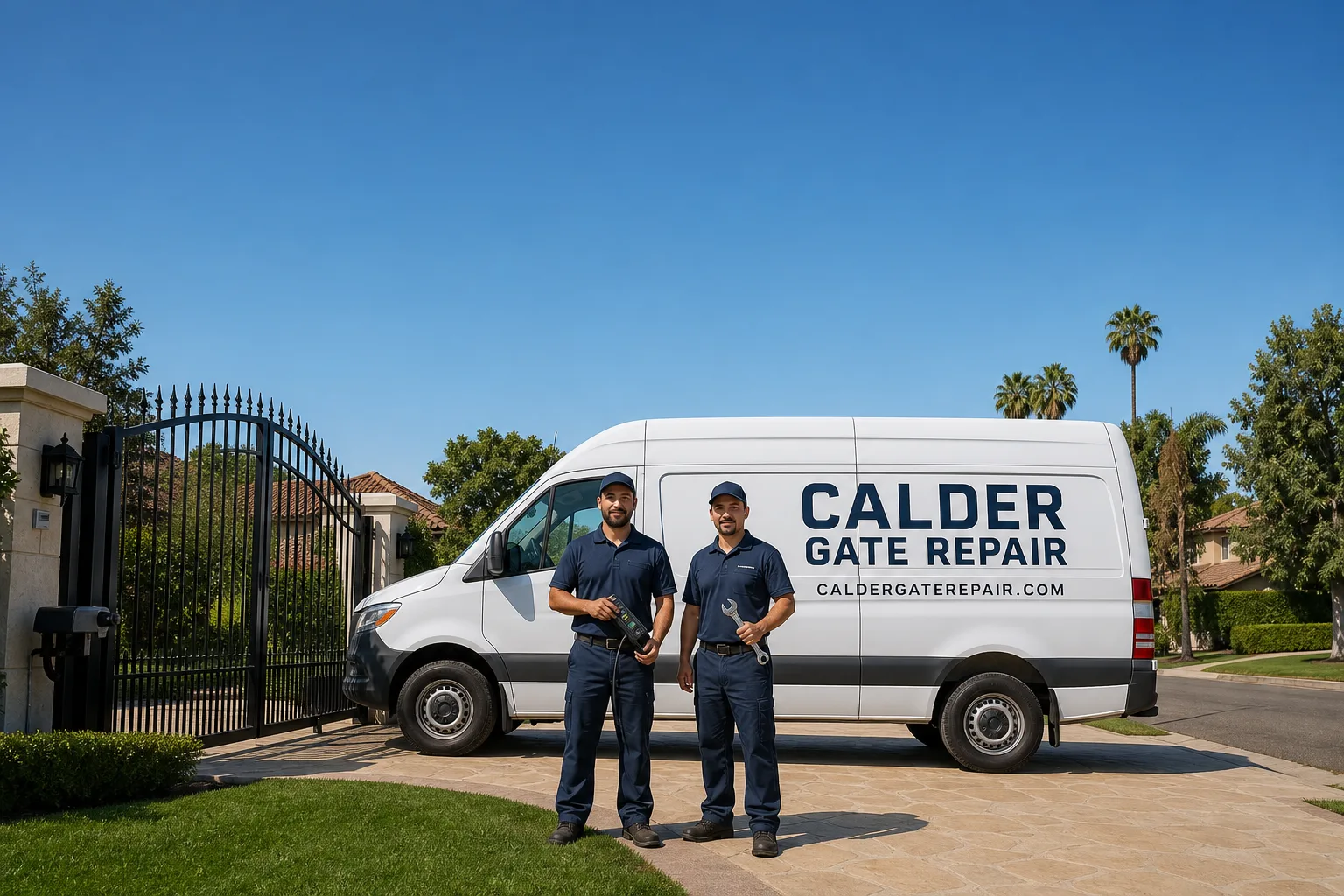
Free on-site gate assessment - hinges, posts, and your LiftMaster or Nice gate operator checked before anything is quoted
The assessment is free and the quote is the invoice.
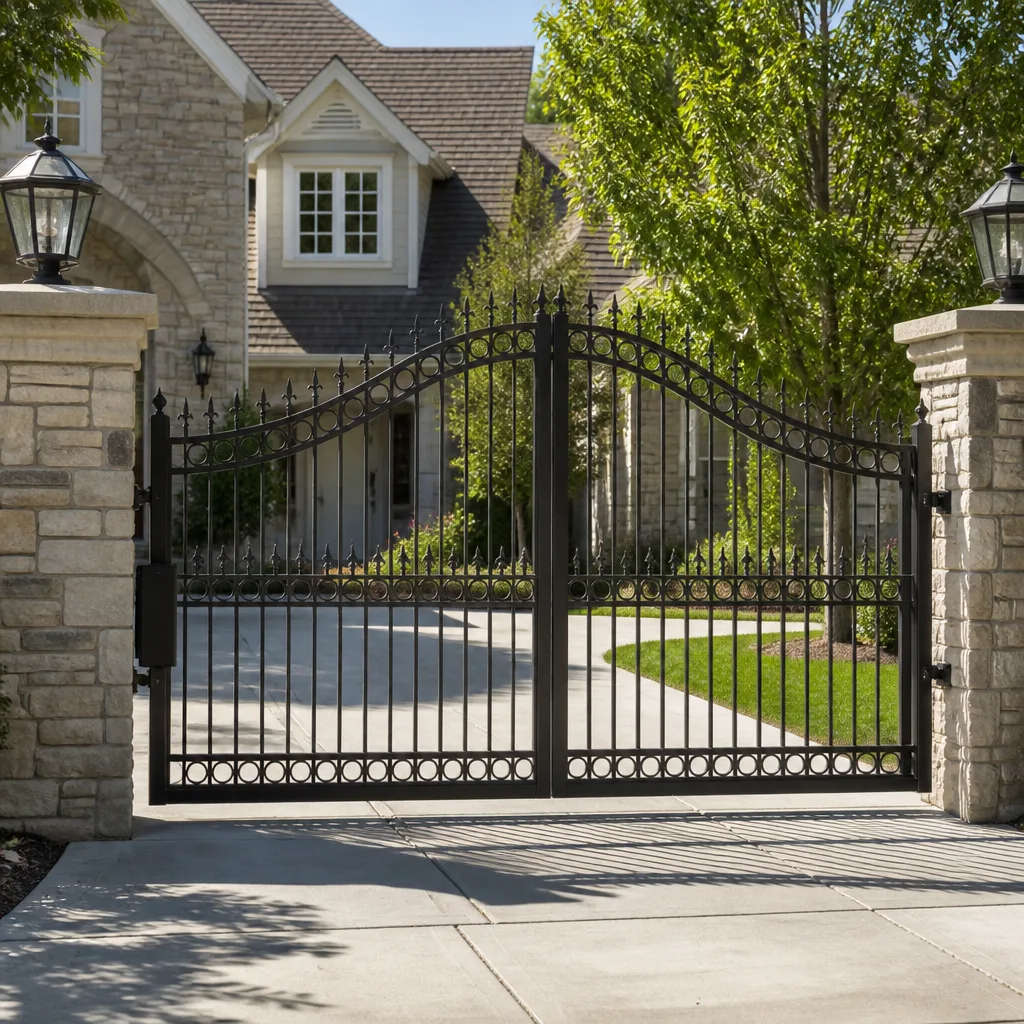
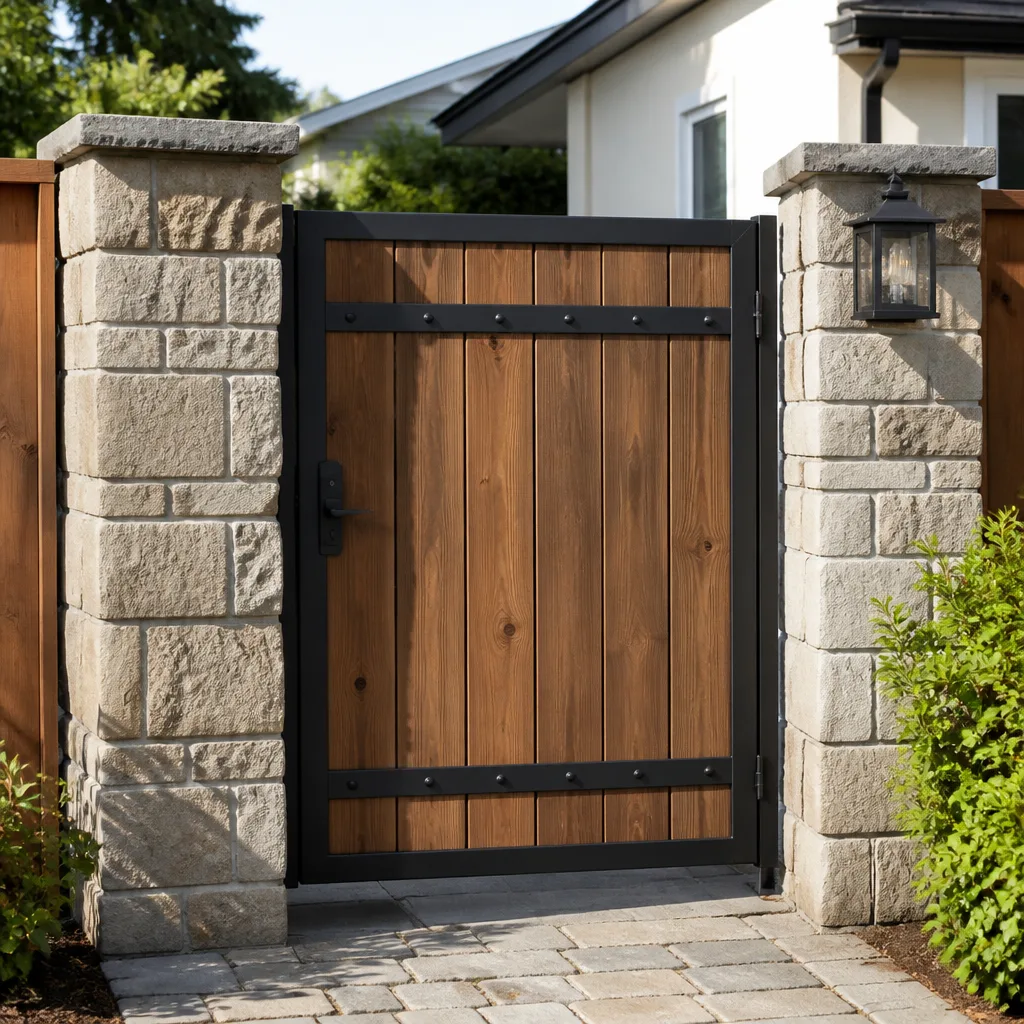
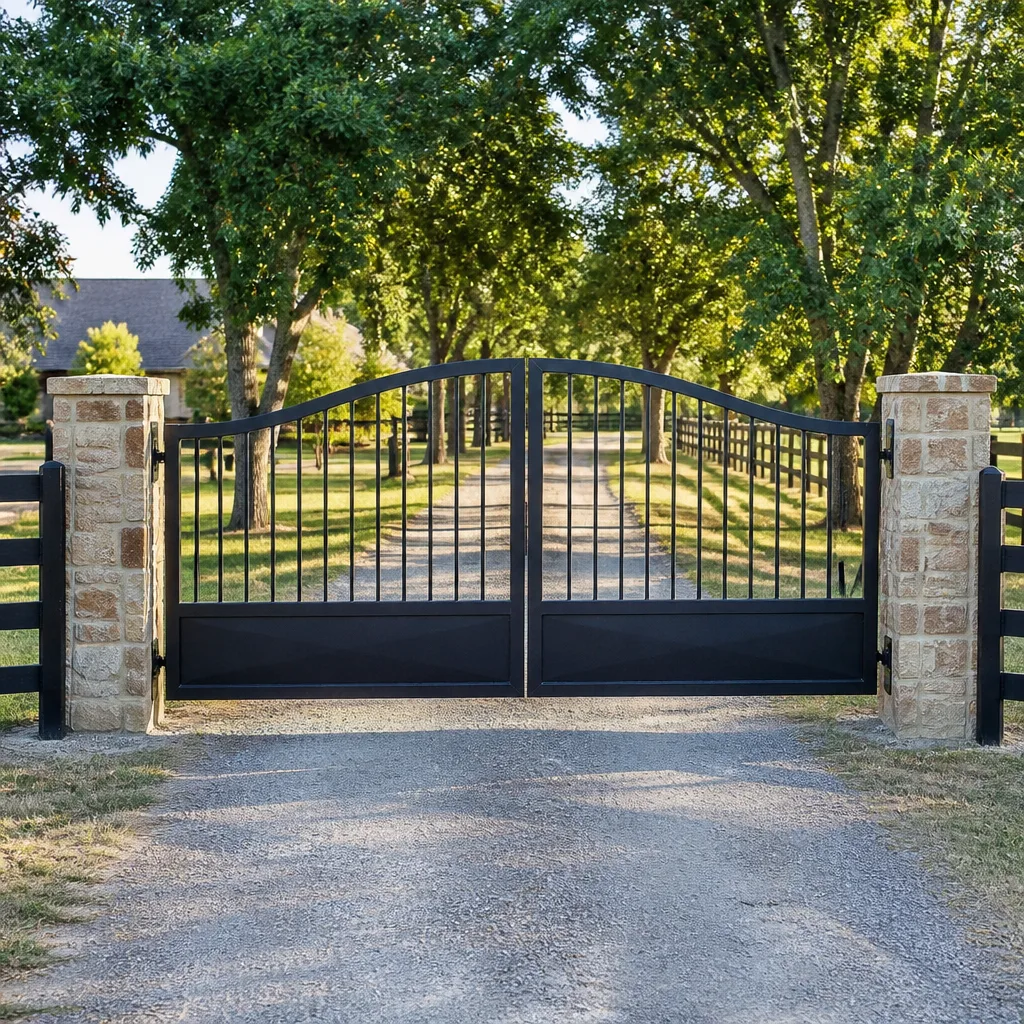
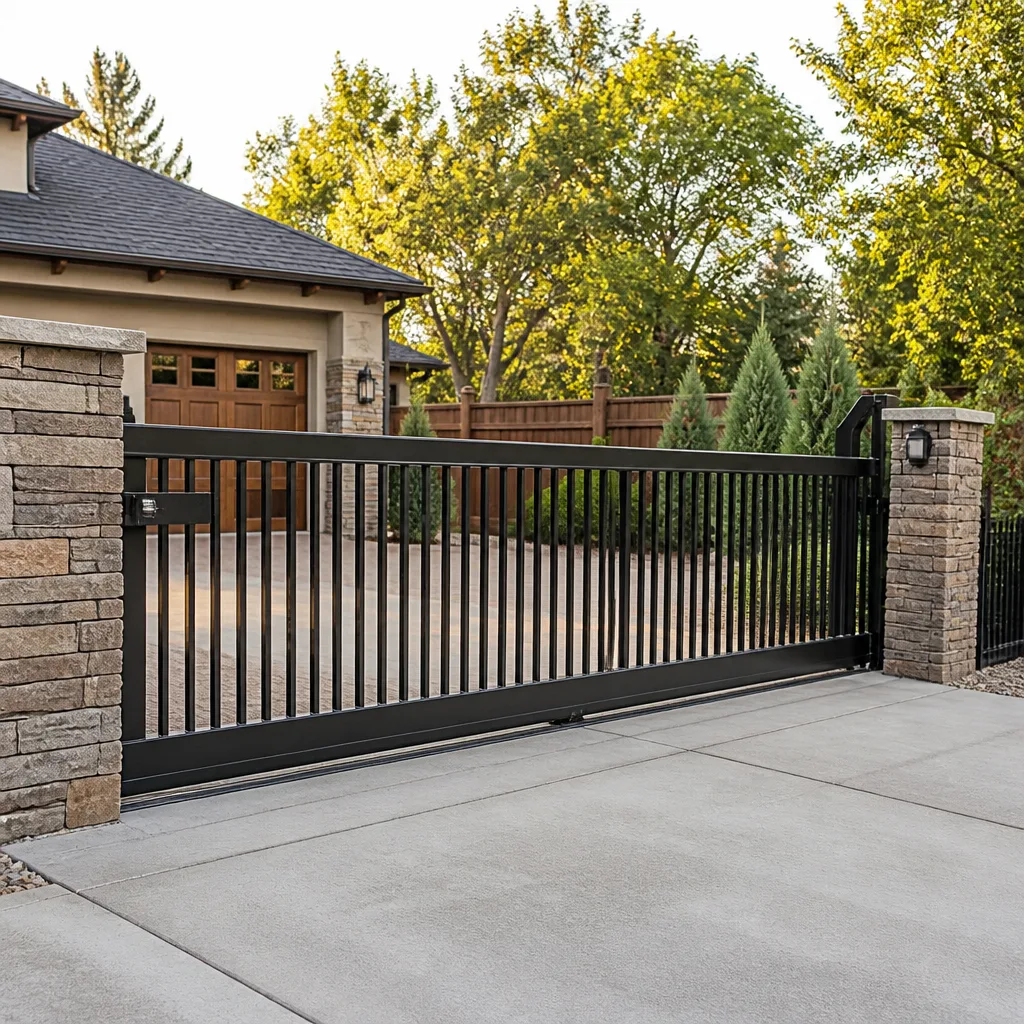
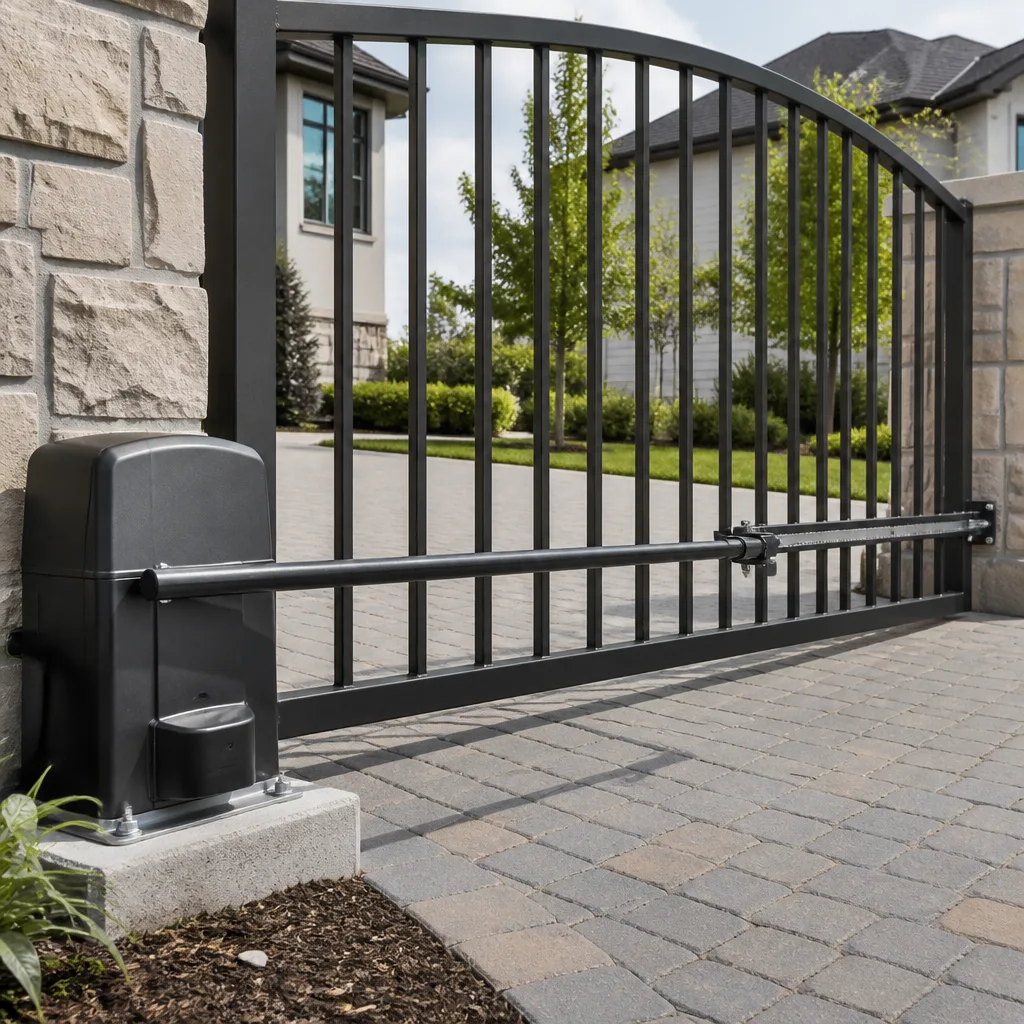
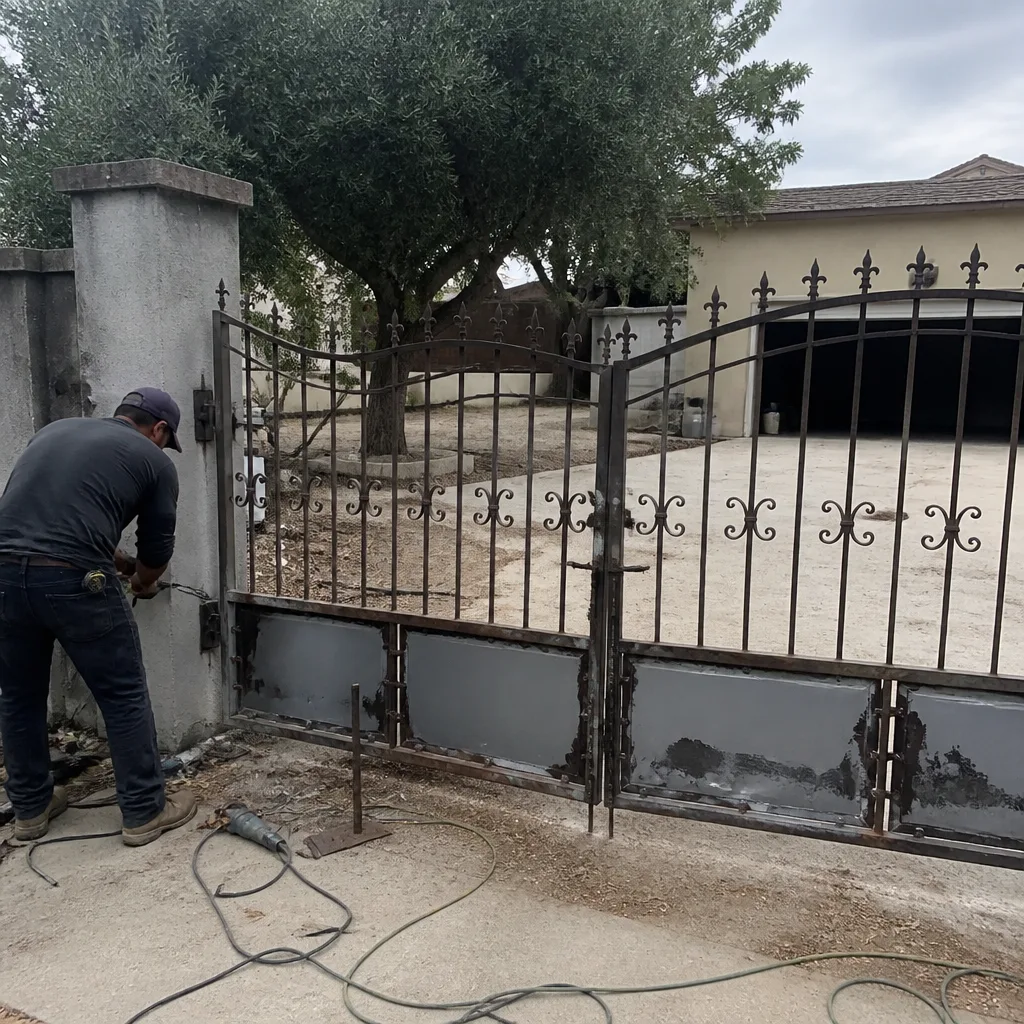 Before
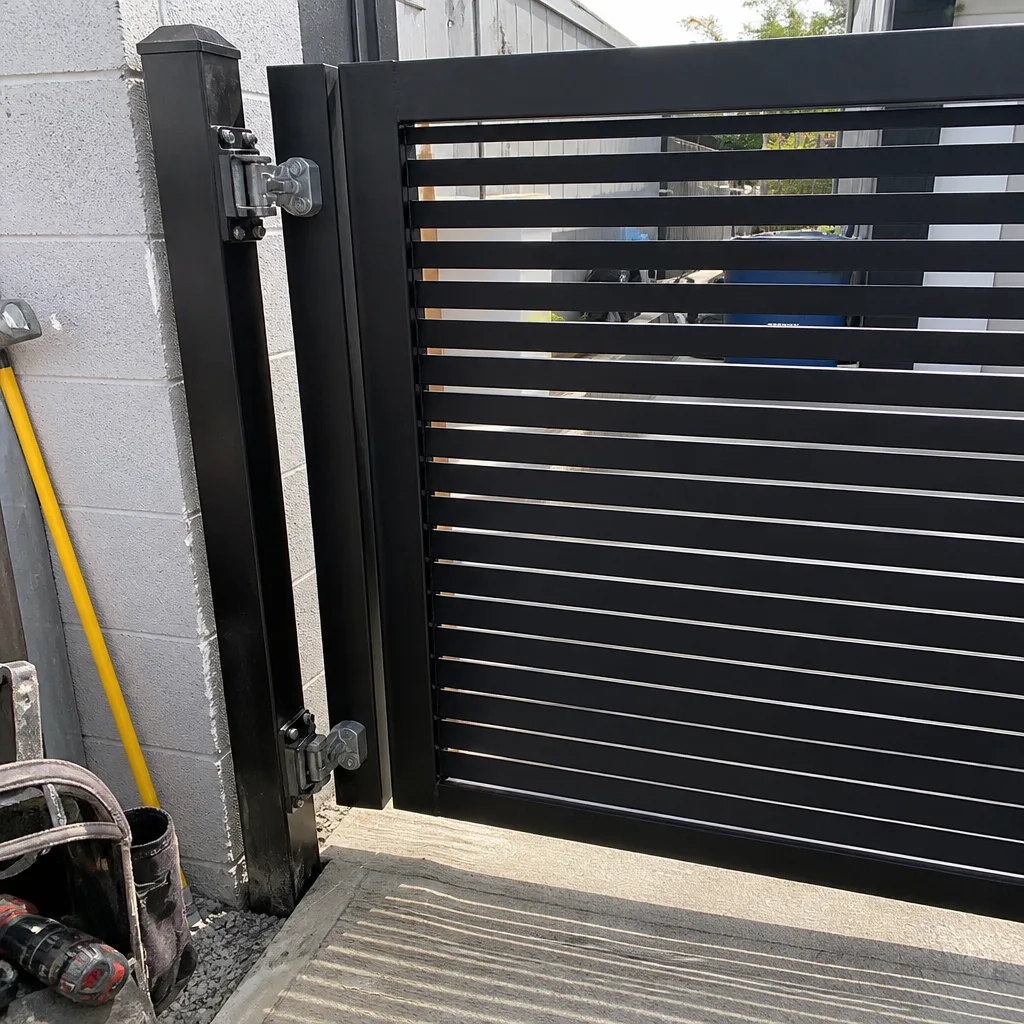 After
After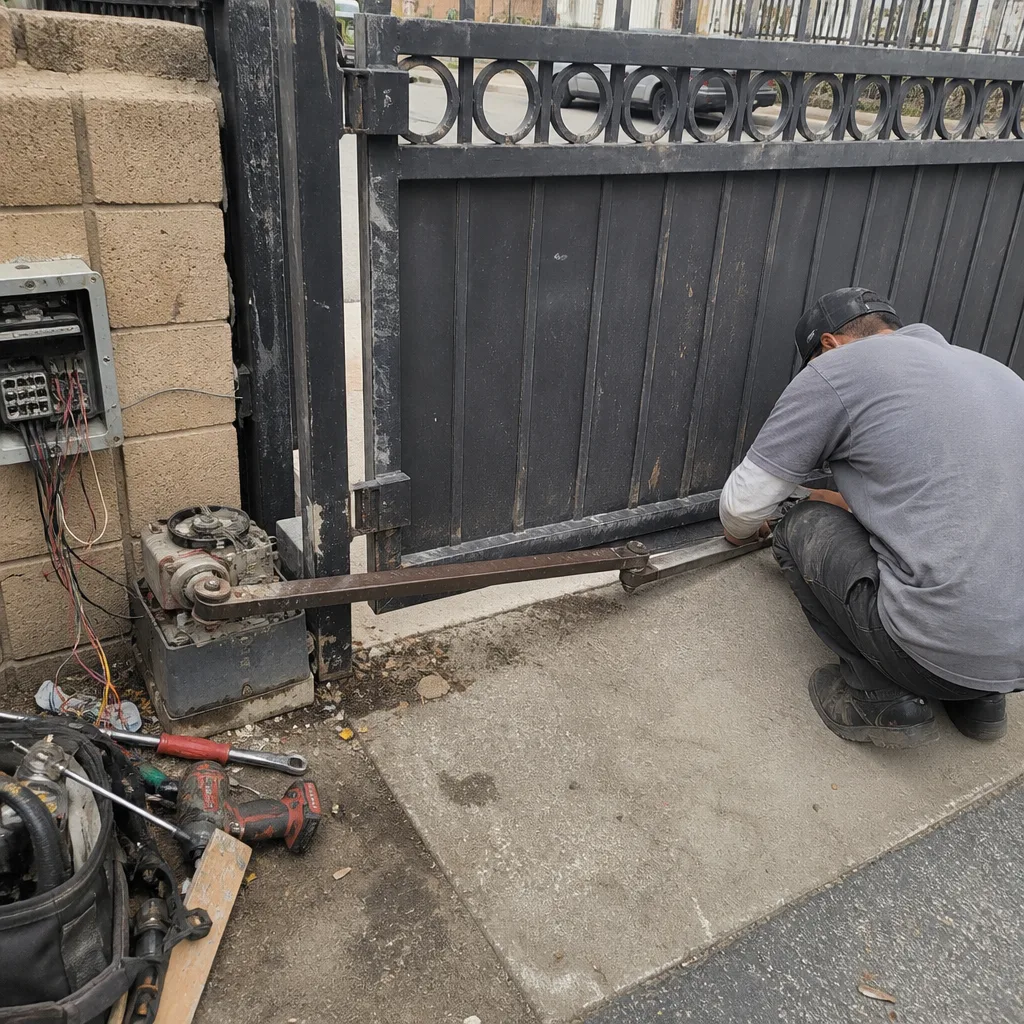 Before
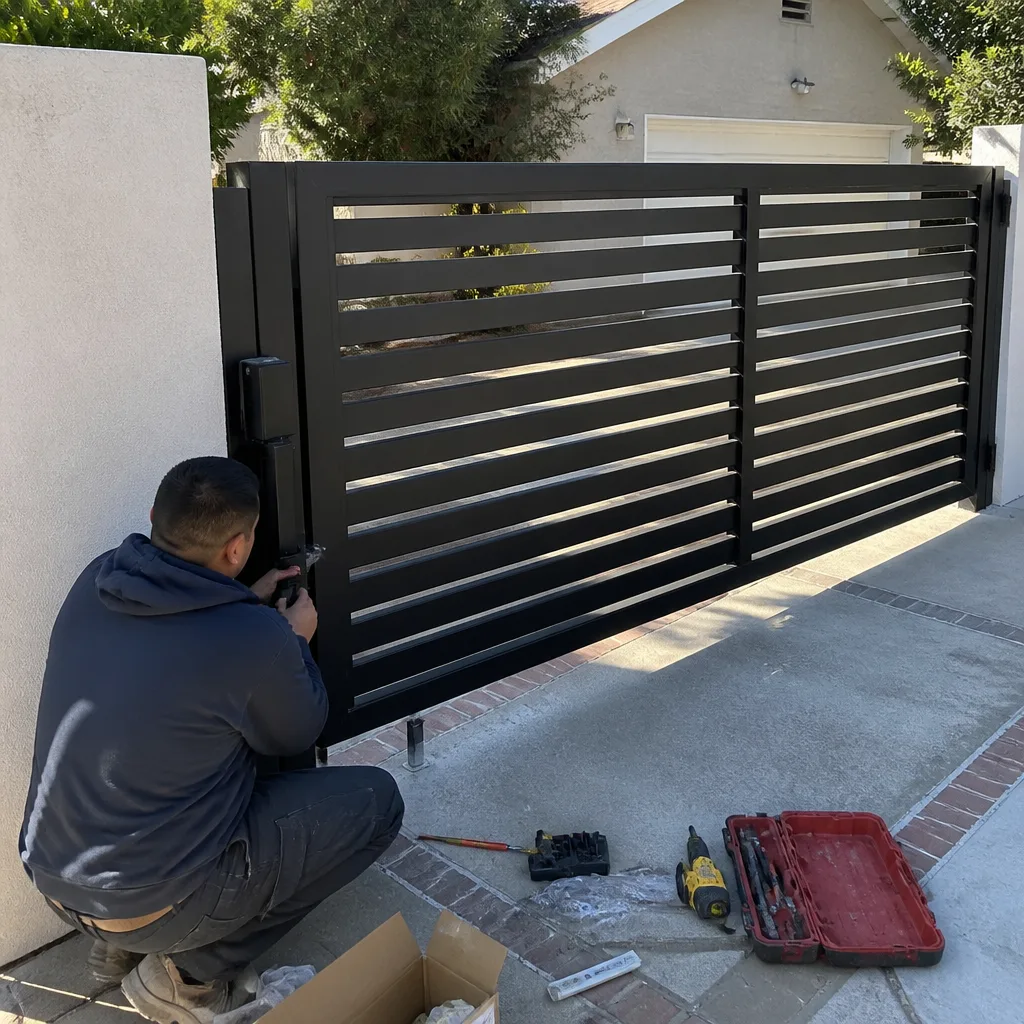 After
After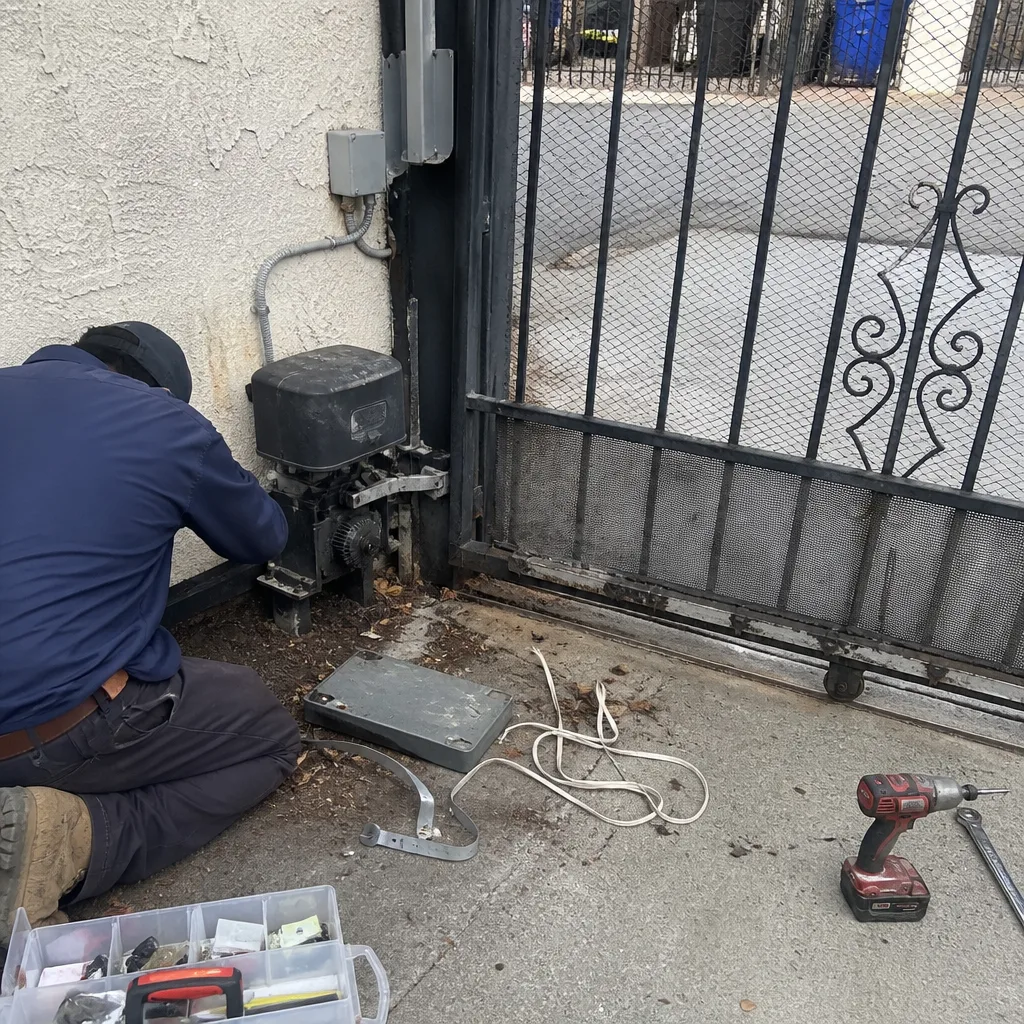 Before
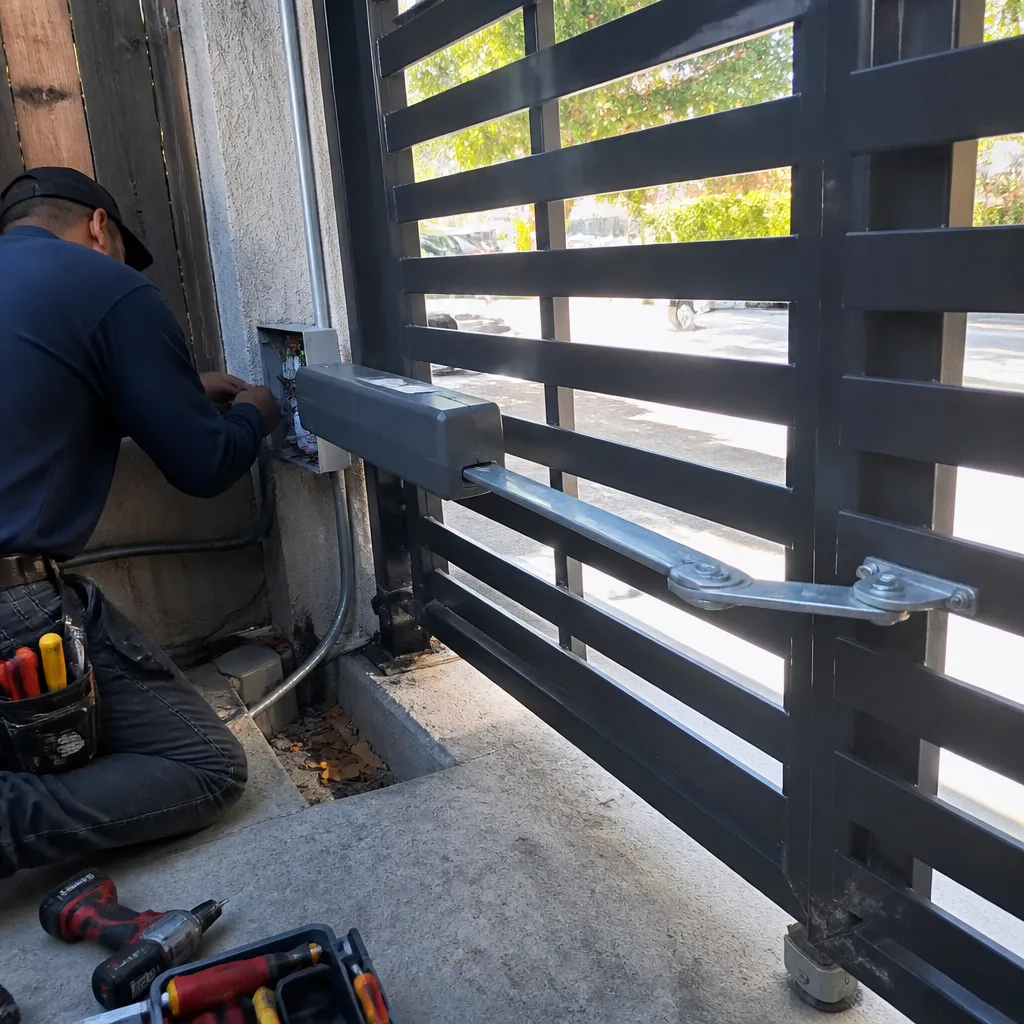 After
AfterGate Closes on Its Own
What’s Happening
A gate that closes by itself – without anyone pressing a button – almost always points to a faulty auto-close timer, a misfiring control board, or a sensor that’s picking up interference and triggering a close cycle on its own. In most cases, your gate system is responding to a signal it was never supposed to receive.
That distinction matters. The gate isn’t broken in the sense of being physically damaged – it’s doing exactly what it was told to do. Something in the system is telling it to close, and that something is wrong. It could be a timer setting left on from a previous owner, a control board glitch, a wiring short, or a remote sending phantom signals from a bag or pocket. The good news is that all of these are diagnosable. The less-good news is that some of them look identical from the outside, which is where a trained technician earns their keep.
Why It Happens
Auto-Close Timer Set Too Aggressively
Most electric gate openers have a built-in auto-close timer – a setting that tells the gate to shut itself after a set number of seconds. If that timer is set too short, or if it was turned on without you knowing about it, the gate will close on its own every time, regardless of what you’re doing. You’ll notice this one because the behavior is consistent: the gate opens, counts a fixed number of seconds, and closes. It’s not random – it’s clockwork.
Control Board or Logic Board Fault
The control board is the brain of your opener. When it starts to fail – due to age, a power surge, or moisture intrusion – it can send close commands at random. A homeowner can often spot this because the behavior is erratic: the gate closes sometimes but not always, at no predictable interval, and occasionally does other odd things like running slowly or failing to open fully. If your gate also behaves strangely in other ways, the board is a strong suspect.
Phantom Signal from a Remote or Keypad
Remotes and keypads send radio signals to trigger your gate. If a remote is rattling around in a bag, sitting under something heavy in a car, or has a stuck button, it can fire that signal repeatedly without anyone touching it. You might also have a neighbor whose remote operates on a frequency close enough to yours to trip your gate. The tell here is that the gate doesn’t always close the same way – sometimes it closes mid-open, sometimes it closes and then immediately opens again.
Limit Switch Drift or Failure
A limit switch tells the opener where “closed” is and where “open” is. When it drifts out of calibration or starts to fail, the opener can become confused about the gate’s actual position and issue a corrective close command to try to reach what it thinks is the right endpoint. This one often comes with a sound clue: a brief motor hum or a hesitation just before the gate closes unexpectedly. The gate may also not open or close all the way on a normal cycle.
What to Do Right Now
- Stop using the gate for now if it’s closing on vehicles or people. An automatic gate closing without a cue is a safety issue, not just an inconvenience. If the gate has struck anything – a car, a post, a person – stop operating it until a technician checks it.
- Check your remotes. Take every remote off your keychain or out of your car and set them somewhere they can’t be accidentally pressed. If the gate stops closing on its own, a phantom remote signal is your answer.
- Look up your opener’s manual for the auto-close setting. Most openers have a simple timer setting in the menu. If you find one that’s switched on, note the brand and model so you can tell the technician – but don’t adjust settings you’re not certain about.
- Photograph and note when it happens. Write down roughly how long after opening the gate closes, whether it’s consistent or random, and whether it does anything else unusual. That log is genuinely useful to whoever diagnoses it.
- Do not attempt to open the control board housing or adjust wiring yourself. Electric gate openers carry line voltage, and some components stay charged even when the gate isn’t moving. If you suspect a board or wiring fault, stop there and call – this is one of the cases where a wrong move can injure you.
How We Fix It
When your local Calder Gate Repair team arrives, the first thing Nico or one of our technicians does is observe the gate go through a cycle – watching for the exact moment it triggers an unintended close. From there, we check the auto-close timer, read the control board for fault codes, scan for radio interference, and test the limit switches. We carry common replacement boards and switches for LiftMaster, FAAC, BFT, Linear, Viking, Ghost Controls, DoorKing, Elite, and Mighty Mule systems, which means most repairs don’t require a return trip for parts.
Before any work starts, you get a written price. That number doesn’t change at the invoice. The repair is covered by our 365-Day Done Right Promise – if the problem comes back within that window, we come back for free. The services that resolve this are gate repair and electric gate repair, and most diagnostics and fixes wrap up in a single visit.
Frequently Asked Questions
Yes, it can be. An automatic gate closing without a manual command is unpredictable, and an unpredictable gate is a hazard to vehicles, children, and pets. If your gate has already closed on something or someone, stop using it entirely until a technician has looked at it. Even if it hasn’t caused damage yet, the risk is real enough that this isn’t something to put off. Call (903) 417-0793 and a live person will pick up right now.
If the gate is closing on its own in a way that blocks your driveway or creates a safety hazard, it shouldn’t wait. If the behavior is intermittent and not yet dangerous, you have a little more time – but intermittent problems on control boards tend to get worse, not better, and they’re harder to diagnose once they become unpredictable. Get it looked at sooner rather than later. Call (903) 417-0793 to schedule – no phone tag, a live person answers every call.
Your local Calder Gate Repair team dispatches with a live, trackable arrival time – not a four-hour window. When you call (903) 417-0793, a real person answers, books your visit, and gives you a time you can actually track. Same-day availability depends on your location and the day’s schedule, but we do not put calls to voicemail and we don’t make you wait for a callback.
The honest answer is: it depends on which component is at fault, and we won’t know for certain until we’ve diagnosed the gate. What we can promise is that the price is written down and agreed to before any work starts – you will never see a number on the invoice that wasn’t on the estimate. There are no hidden fees. Call (903) 417-0793 to book a visit and get your written estimate at no obligation.
Get It Fixed
A gate closing on its own isn’t something you have to puzzle through alone. Call (903) 417-0793 – a live person answers every call, day or night – or book online. Your local Calder Gate Repair team will give you a real arrival time, a written price before anything starts, and the 365-Day Done Right Promise on every repair.
Written by Nico Alvarez, Owner & Lead Technician at Calder Gate Repair, part of the Relay Home Co. family since 2009.
What Our Customers Say
"Swing gate arm replaced and aligned. Got photos of the old part by text."
- Nadia F."Quote came in the app before the visit. No surprise at the end."
- Ginny L."Keypad and remotes reprogrammed in one visit. Paid by link."
- Pauline C.