
Free on-site gate assessment - hinges, posts, and your LiftMaster or Nice gate operator checked before anything is quoted
The assessment is free and the quote is the invoice.
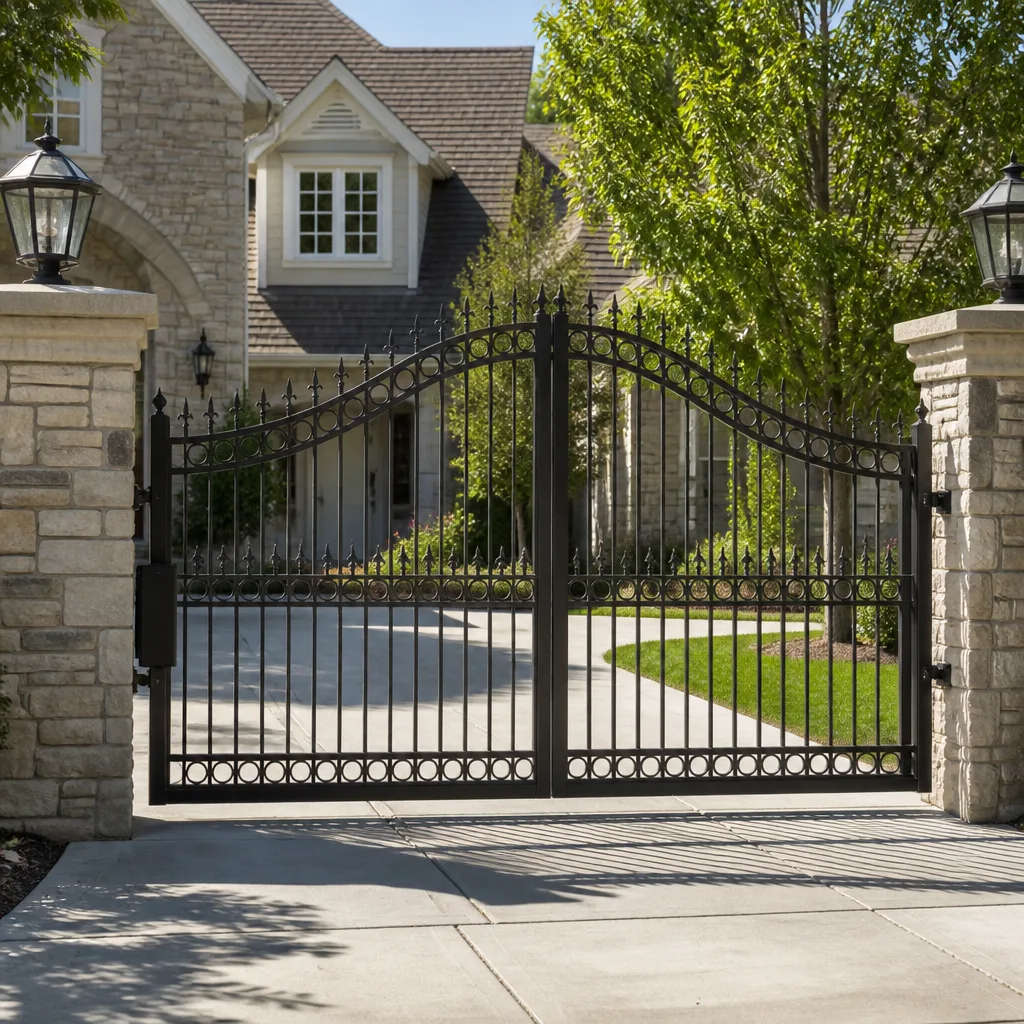
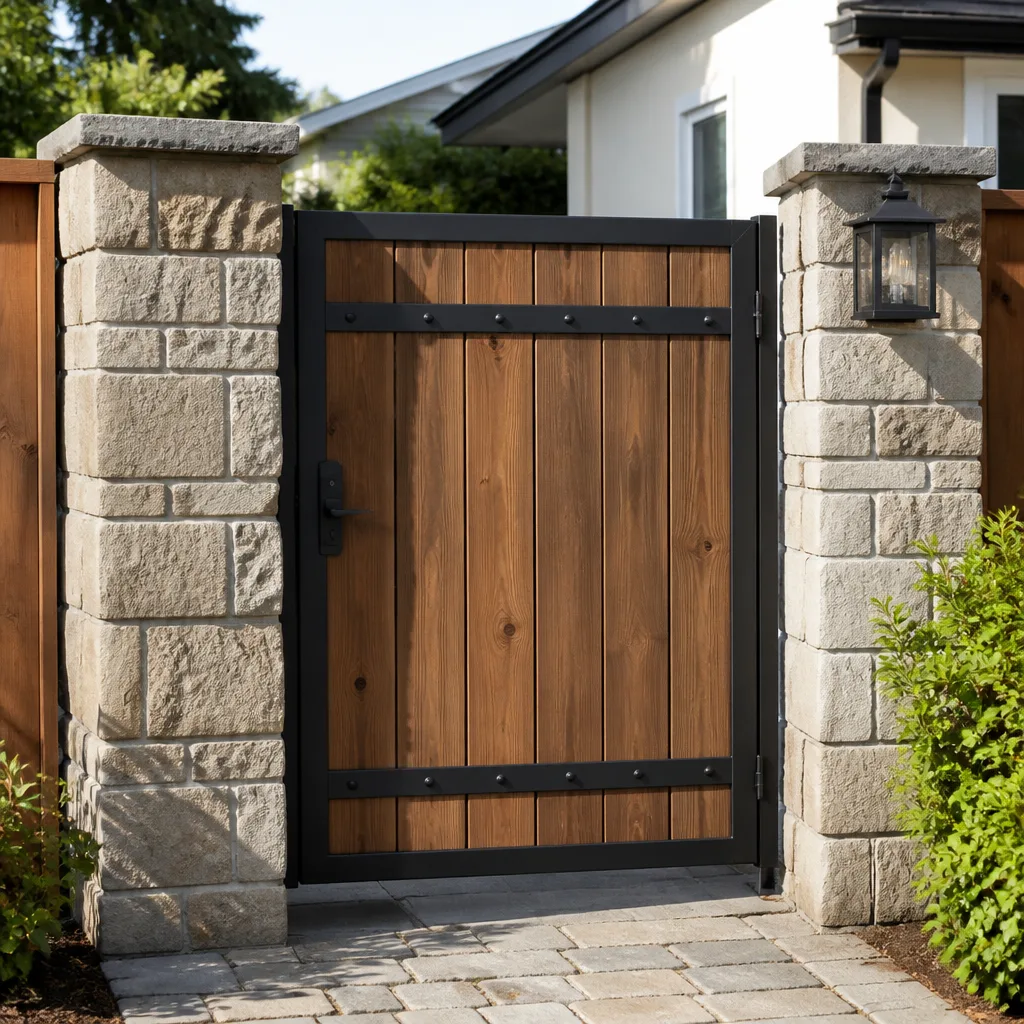
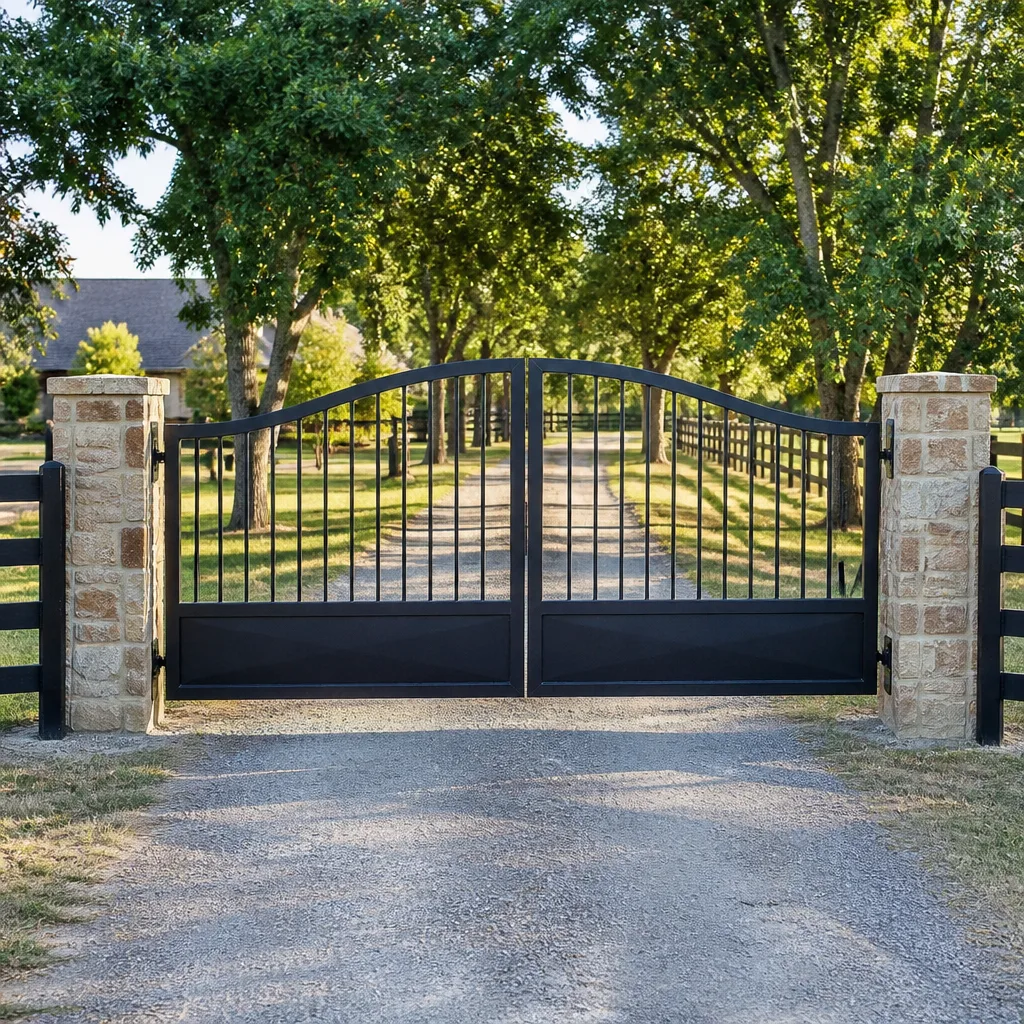
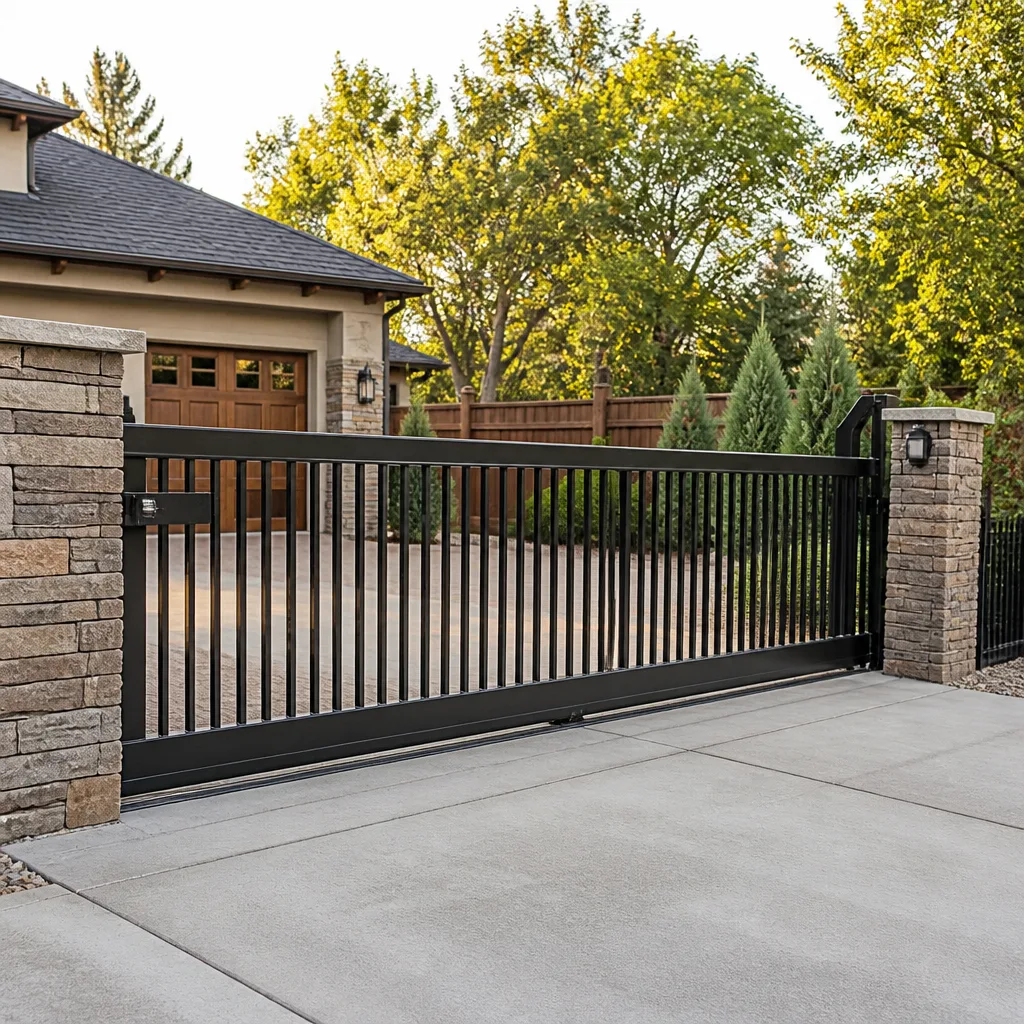
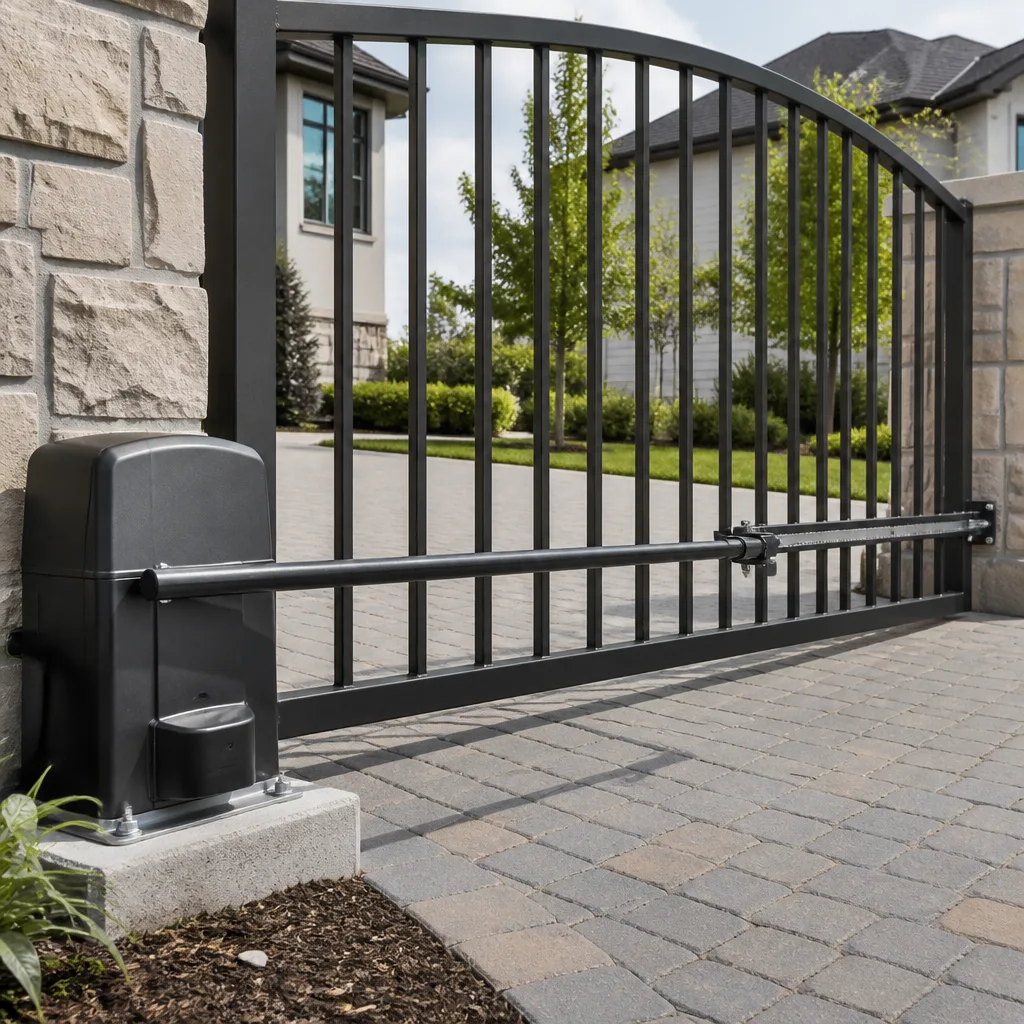
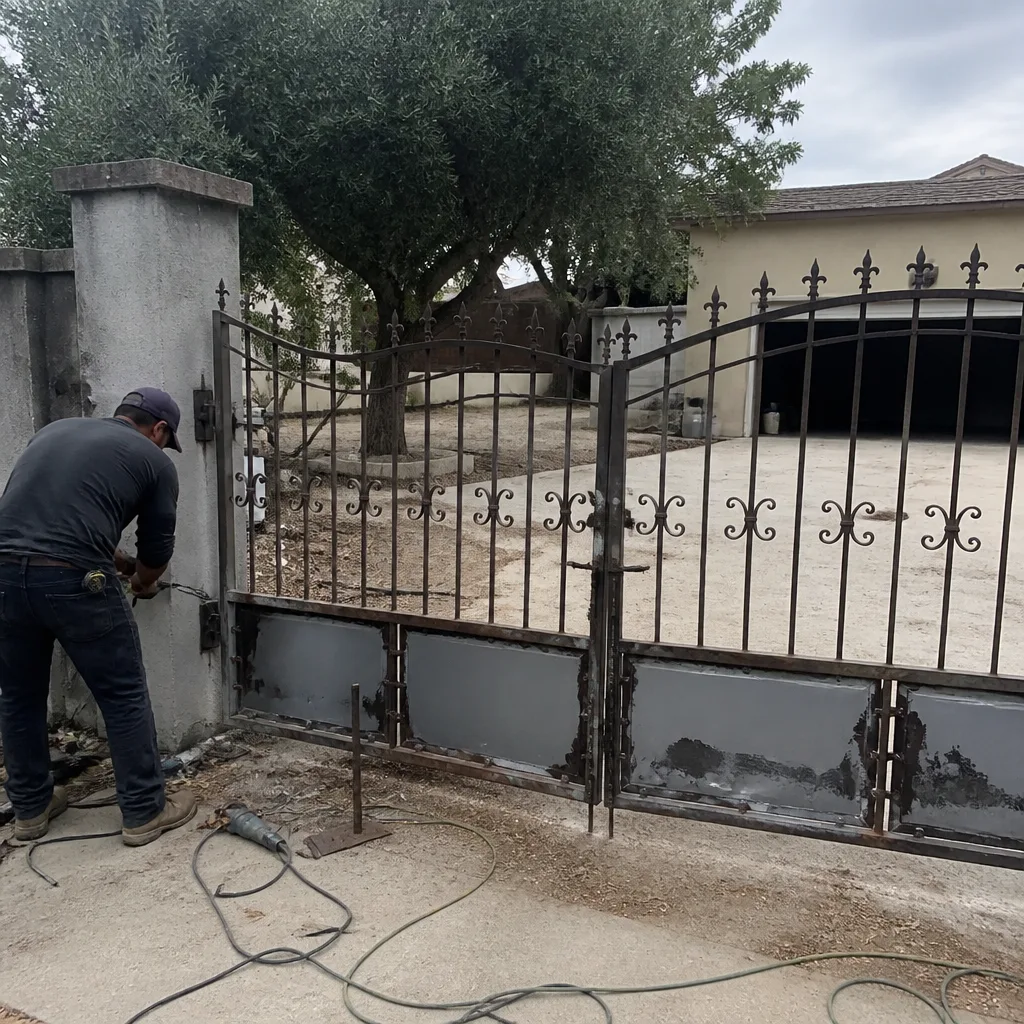 Before
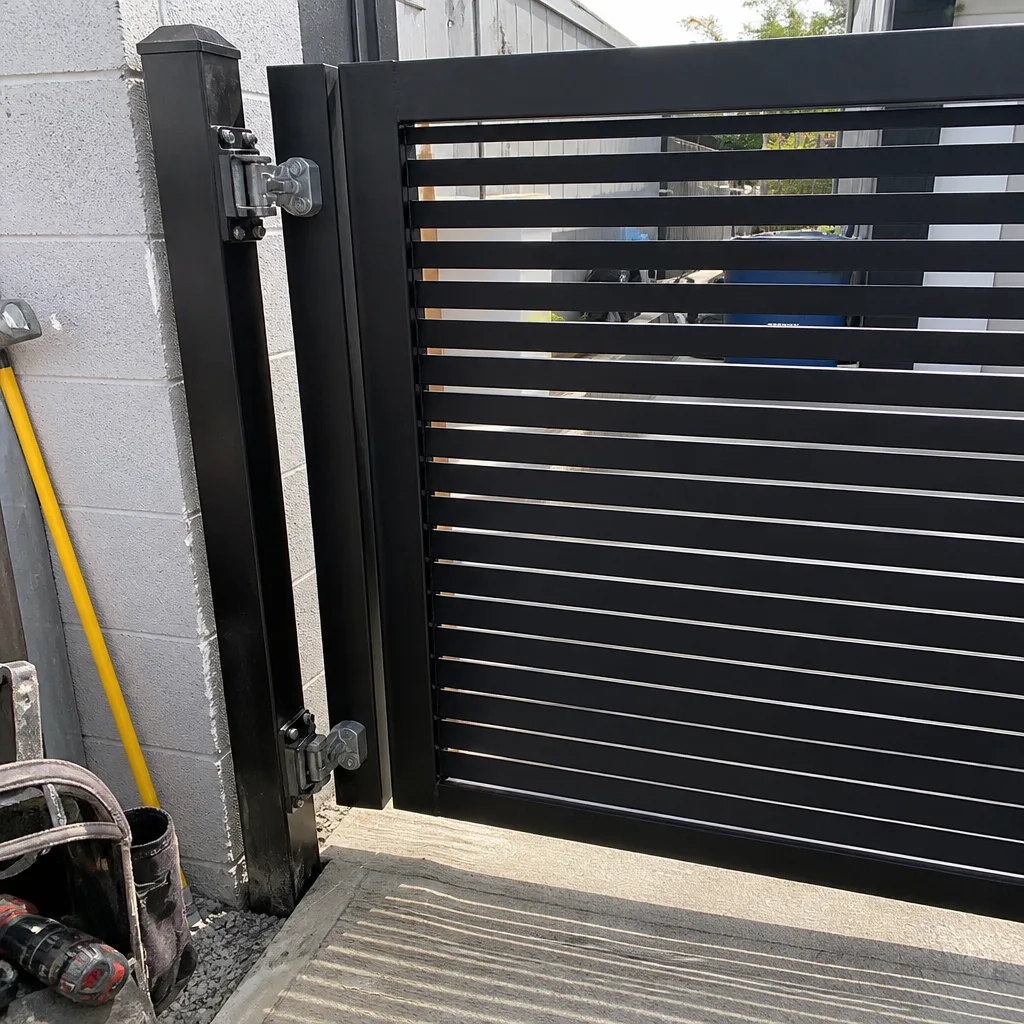 After
After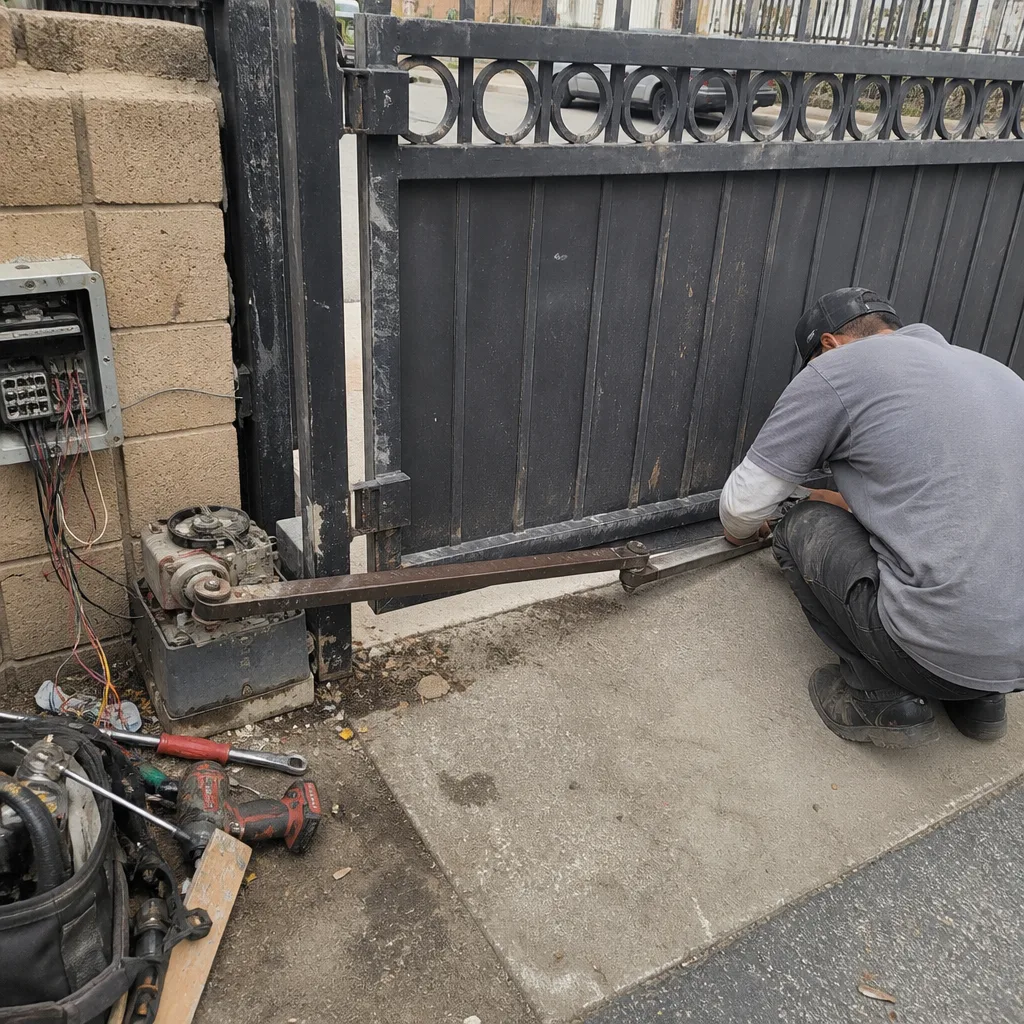 Before
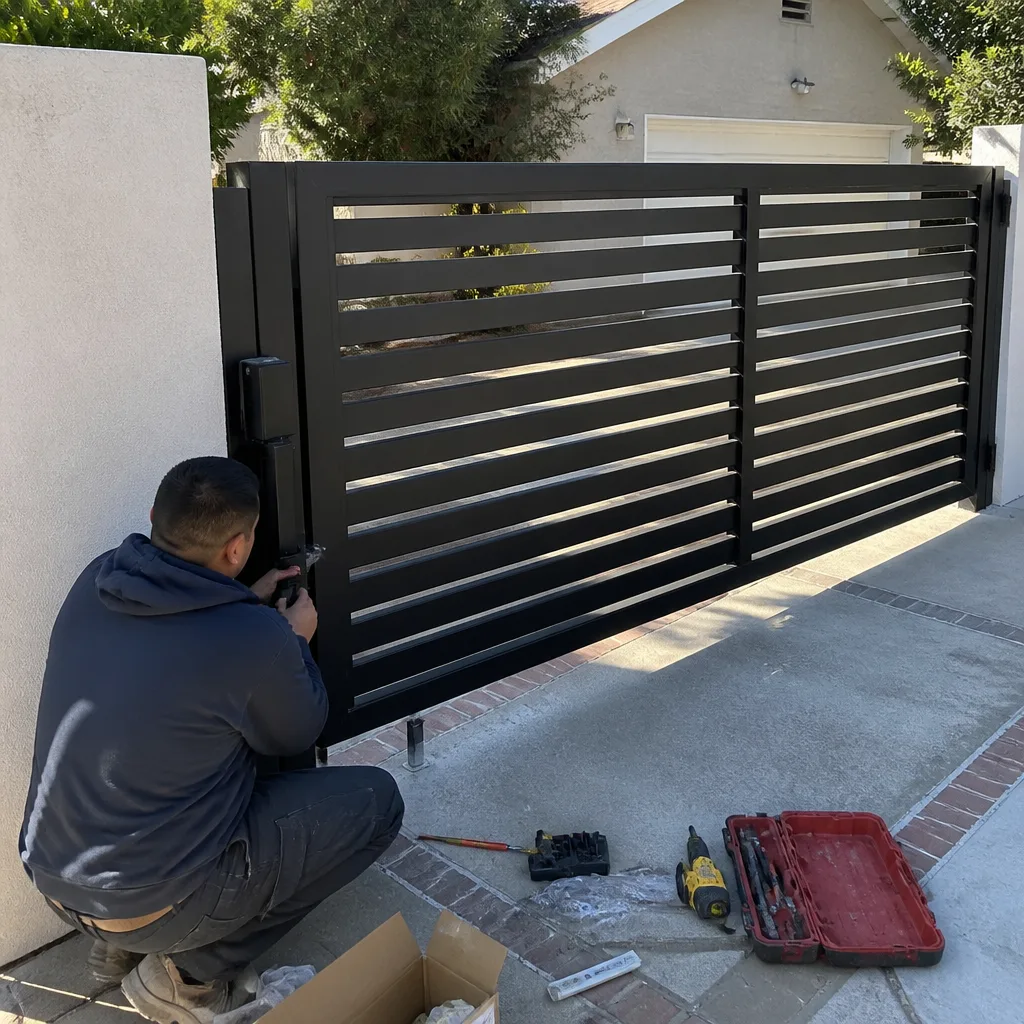 After
After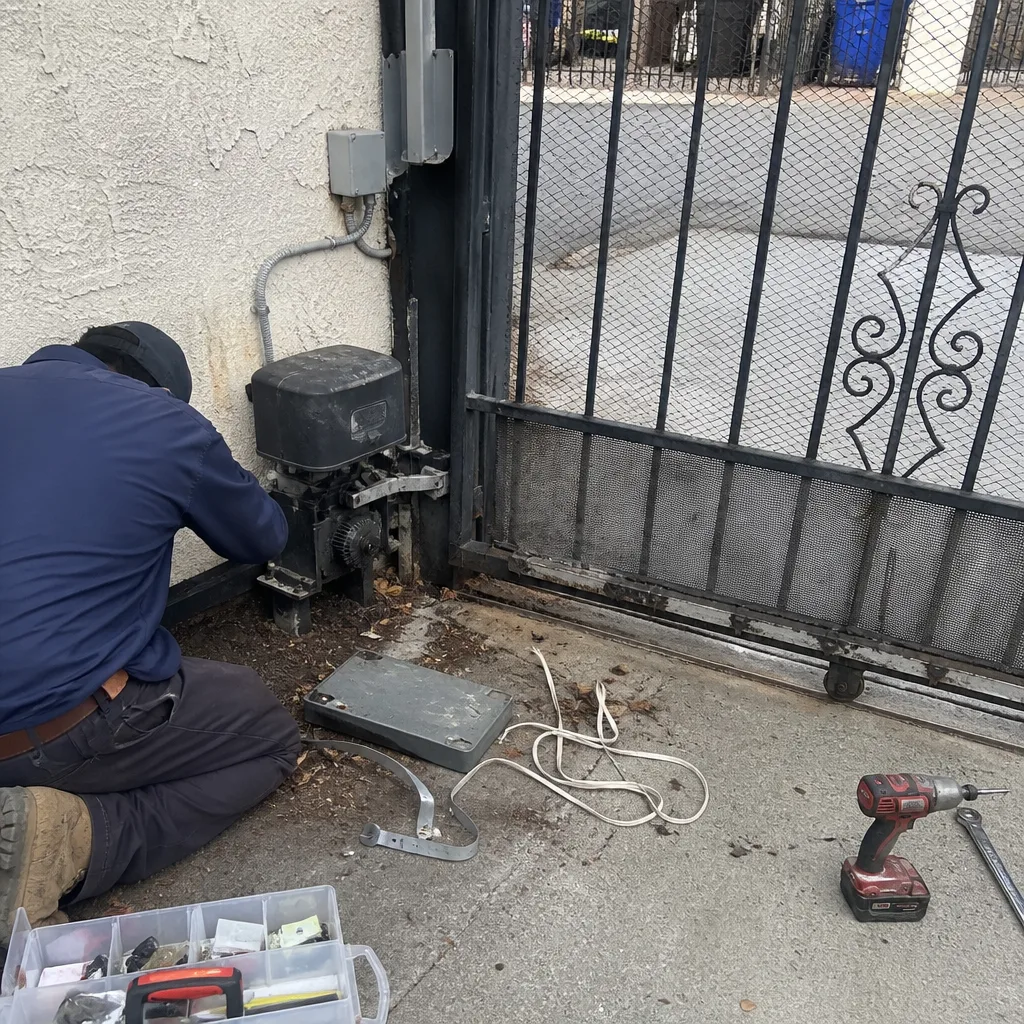 Before
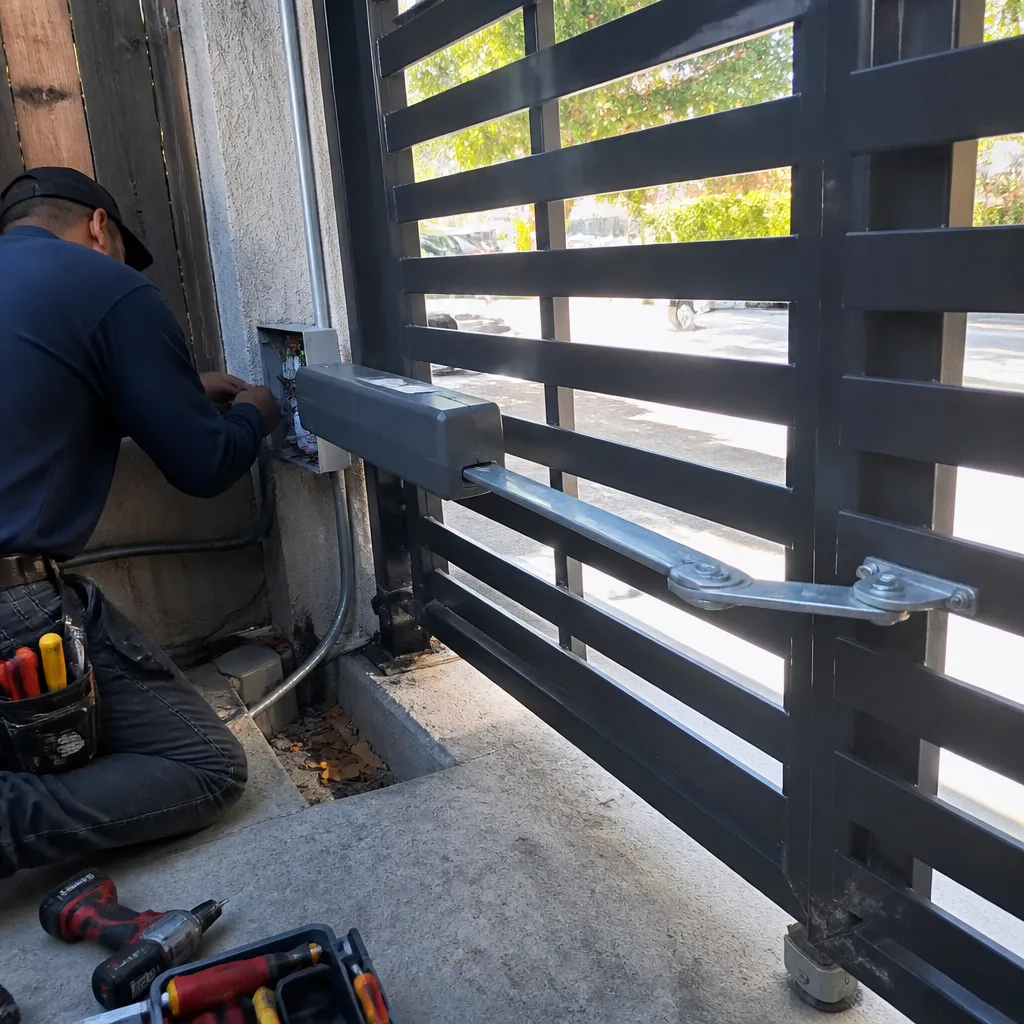 After
AfterGate hinges sagging or dragging on the ground
What’s Happening
A gate that sags or drags on the ground almost always means one or more hinges have failed, the post they’re anchored to has shifted, or the gate’s structural frame has twisted out of square. This is a mechanical problem, not an electrical one, and it won’t fix itself. Left alone, a dragging gate grinds its way to a full failure – and if it’s a motorized gate, it puts serious strain on the opener every single cycle.
The good news is that a sagging gate is one of the most diagnosable problems in gate repair. In most cases, a trained technician can look at where the drag mark is, how the hinge gaps align, and whether the post has moved, and know within a few minutes exactly what needs to happen. What causes the sag – and how bad it is – determines the repair path. The four causes below cover the vast majority of cases your local Calder Gate Repair team sees.
Why It Happens
Worn or failed hinge hardware
Hinges are load-bearing components, and they wear. The pin inside a barrel hinge gradually loosens, the barrel itself can crack, and weld points on heavy steel gates eventually fatigue. When a hinge goes, the gate drops on that side. You can usually spot this by crouching at hinge level: look for a gap between the hinge leaves, a pin that’s walking out of its barrel, or rust streaking down from the hinge point. If the hinge hardware is the only problem, the gate frame itself is probably still square – which makes this a cleaner fix.
Post lean or footing failure
The post a hinge bolts into is only as stable as the concrete footing below it. Soil movement, water saturation, freeze-thaw cycles, and simple age can all cause a post to tilt, pulling the top of the gate toward or away from the latch side. Stand back and look at the post from 10 feet away: if the post leans visibly – even an inch or two – the footing has likely shifted. A leaning post changes every gap measurement on the gate, so the drag point can appear anywhere from the bottom corner to the mid-frame.
Gate frame twist or racking
A steel or aluminum gate frame can rack – meaning it distorts out of its original flat plane – when a vehicle clips it, when the gate is repeatedly forced open against a stop, or simply when decades of weight and use work on the welds. A racked frame usually shows as a twist: the gate might stand plumb at the hinge end but angle down at the latch end, or the top rail runs level while the bottom rail droops. Lay a long level or straightedge across the face of the gate to check. If the face isn’t flat, the frame has moved.
Loose or missing lag bolts and anchor hardware
Hinges attach to posts with bolts, lags, or through-bolts – and these fasteners work themselves loose over years of vibration and seasonal movement. Sometimes a hinge that looks intact is simply no longer tight to the post; the hinge body is fine but the gate drops because the anchor points have failed. Grip the gate near the hinge and try to lift or rock it gently. If you can feel play between the hinge plate and the post face, loose fasteners are almost certainly part of the problem.
What to Do Right Now
- Stop using the gate. Every time a dragging gate is pushed or pulled, it grinds the bottom edge, stresses the hinges further, and – if there’s a motor – loads the opener with friction it wasn’t built to handle. Disconnect any automatic opener and leave the gate in a position where it won’t move until a technician arrives.
- Photograph the problem before you touch anything. Take shots of the drag mark on the ground, the gap at each hinge, the gap at the latch side, and the post from a distance. These photos help your technician understand what they’re walking into and speed up the diagnosis.
- Check the hinge hardware visually. Look for a pin that’s backing out of its barrel, cracked weld points, or hinge plates that have separated from the post face. Don’t try to hammer anything back into place – you’ll mask the actual damage and make the repair harder.
- Look at the post from a distance. Walk back 10 to 15 feet and sight down the post. A lean of even an inch is visible from that distance and tells you immediately whether the problem is at ground level.
- Do not attempt to shim, prop, or cable the gate to hold it level. A gate under tension or held in place by improvised supports can drop suddenly and cause a serious injury. If the gate is heavy steel – common on driveway gates – it weighs enough to injure anyone nearby when it lets go. Stop, document, and call.
How We Fix It
When your local Calder Gate Repair technician arrives – in uniform, with a live trackable arrival time – the first thing they do is a full mechanical assessment: hinge condition, post plumb, frame geometry, and anchor hardware. Before a single tool comes out, they give you a written price. That number is what you pay. No adjustments at the end, no surprises on the invoice.
Depending on what the assessment finds, the repair might be hinge replacement, anchor hardware re-torquing or replacement, post bracing, or frame straightening. Most hinge and hardware repairs on a residential gate are completed in a single visit. If the post footing needs attention, your technician will explain what that involves and what it costs – again, in writing, before the work starts.
Every repair is covered by our 365-Day Done Right Promise: if it’s not right, we make it right. And if the repair fails within that window, the second visit is free. The service that covers this repair is our Gate Repair service. If a motor was strained in the process and needs attention, our Electric Gate Repair team handles that in the same visit.
Frequently Asked Questions
A sagging gate is a real safety risk and shouldn’t wait. A gate that’s off its hinges or dragging on the ground can drop or swing unexpectedly – and a heavy driveway gate can cause a serious injury to a person or pet who’s in the wrong place when that happens. It also creates a security gap: a gate that won’t latch or close fully isn’t doing the job it’s there to do. The longer it drags, the more the hinge points and the ground contact area degrade. Call (903) 417-0793 and get someone out there.
Yes. Gate openers are built to move a gate that swings or slides freely. When the gate drags, the motor works against friction it wasn’t designed for, which heats up the drive components and shortens the opener’s life. Some openers have a torque cutoff that will trip repeatedly under these conditions, and eventually that repeated stress causes its own failure. Stop running the motor until the mechanical problem is resolved. If your opener is already behaving strangely – struggling, stopping mid-cycle, or throwing error codes – mention that when you call so the technician can bring the right parts.
Call us at (903) 417-0793 right now – a live person picks up 24 hours a day, seven days a week, and they can tell you exactly what’s available in your area today. We don’t do four-hour windows: you get a live, trackable arrival time so you know when your technician is actually on the way. No voicemail, no callback queue, no chat bot – a real person who can book the visit on the spot.
The honest answer is that it depends on what’s actually failed – a loose lag bolt costs very differently from a new hinge set on a heavy steel gate, and a post footing repair is a different scope again. That’s exactly why we give every customer a written price before any work starts: your technician assesses the gate, identifies the cause, and hands you a number to approve. If you say no, you owe nothing. Call (903) 417-0793 to schedule your free written estimate.
Get It Fixed
A dragging gate isn’t a wait-and-see situation. Call (903) 417-0793 – a live person answers around the clock – or book online. Your local Calder Gate Repair team will give you a written price before any work starts, and every repair comes with the 365-Day Done Right Promise.
Written by Nico Alvarez, Owner and Lead Technician at Calder Gate Repair, part of the Relay Home Co. family since 2009.
What Our Customers Say
"Swing gate arm replaced and aligned. Got photos of the old part by text."
- Nadia F."Quote came in the app before the visit. No surprise at the end."
- Ginny L."Keypad and remotes reprogrammed in one visit. Paid by link."
- Pauline C.