
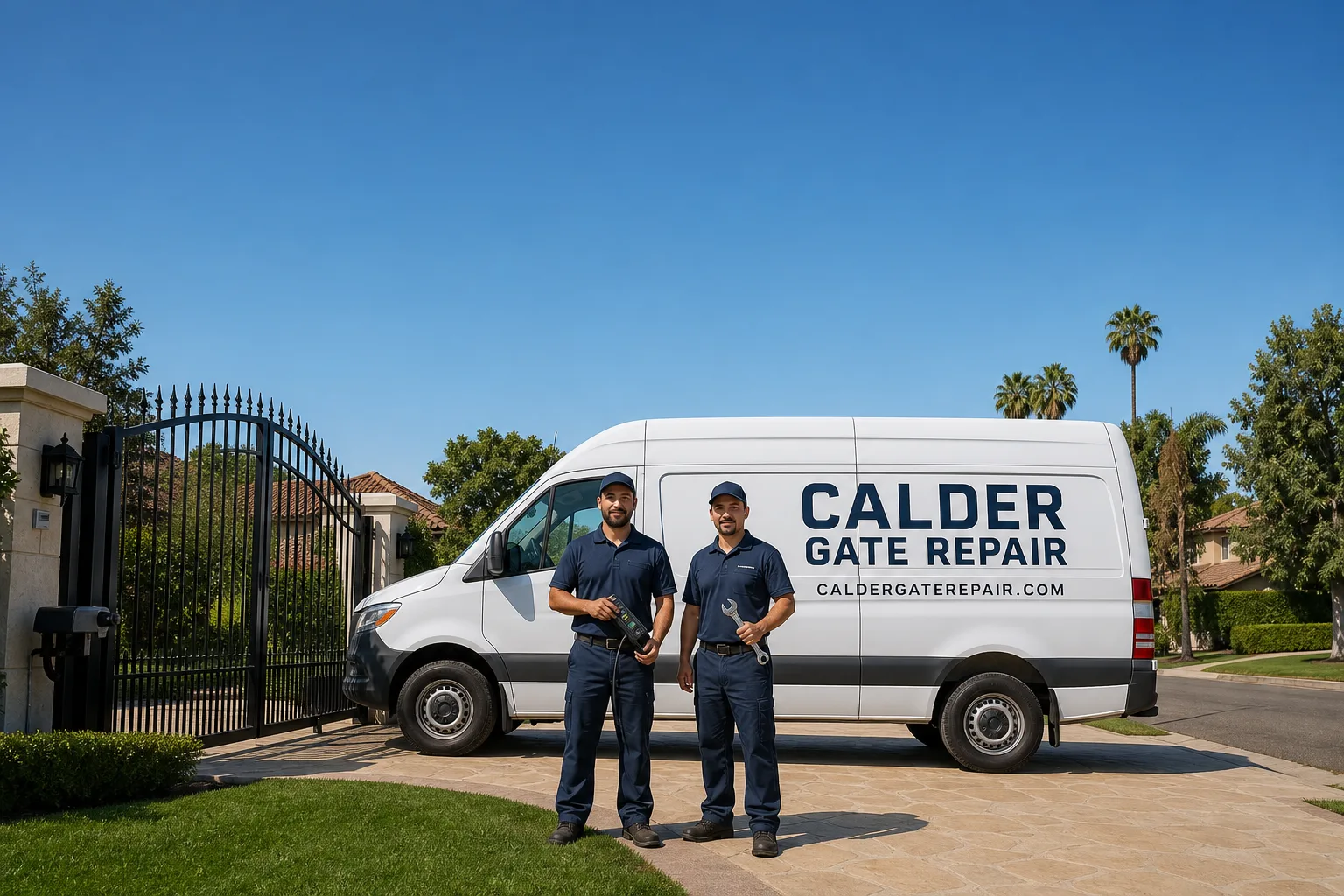
Free on-site gate assessment - hinges, posts, and your LiftMaster or Nice gate operator checked before anything is quoted
The assessment is free and the quote is the invoice.

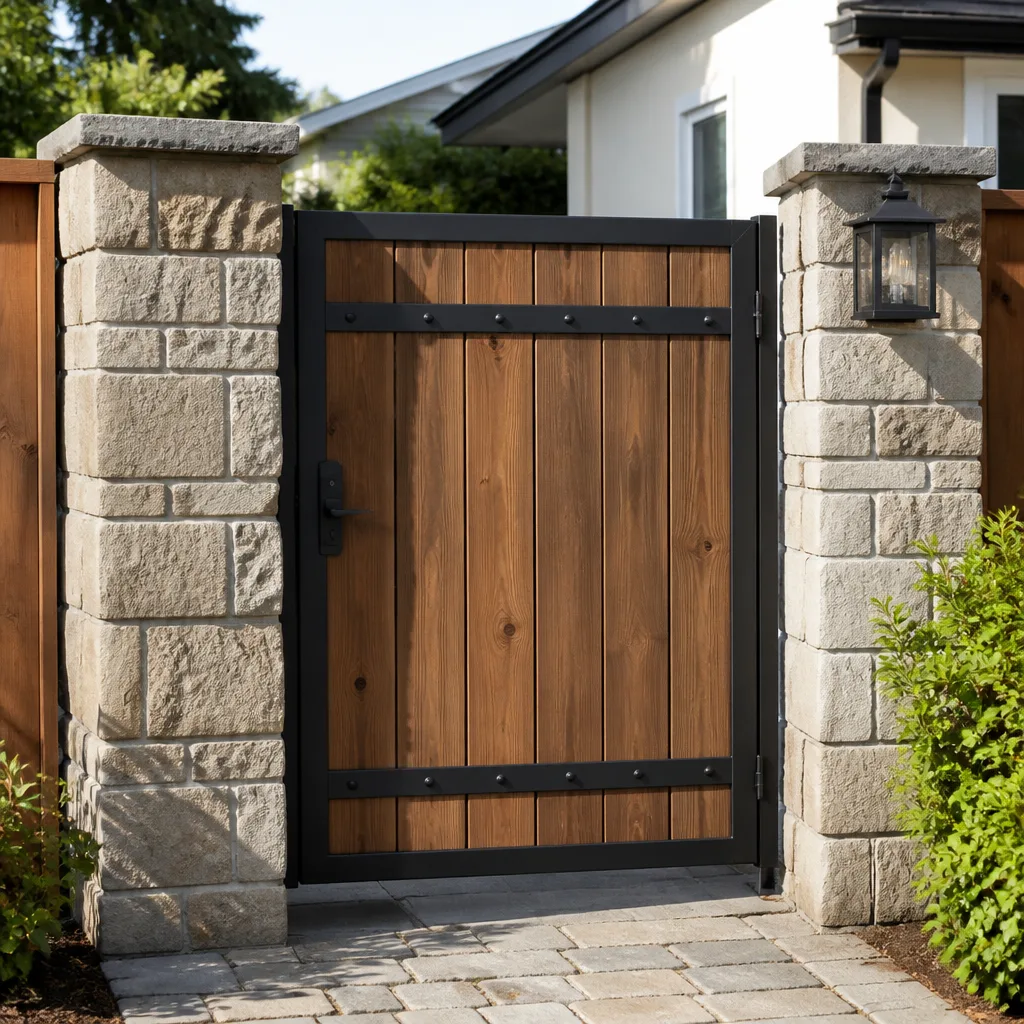

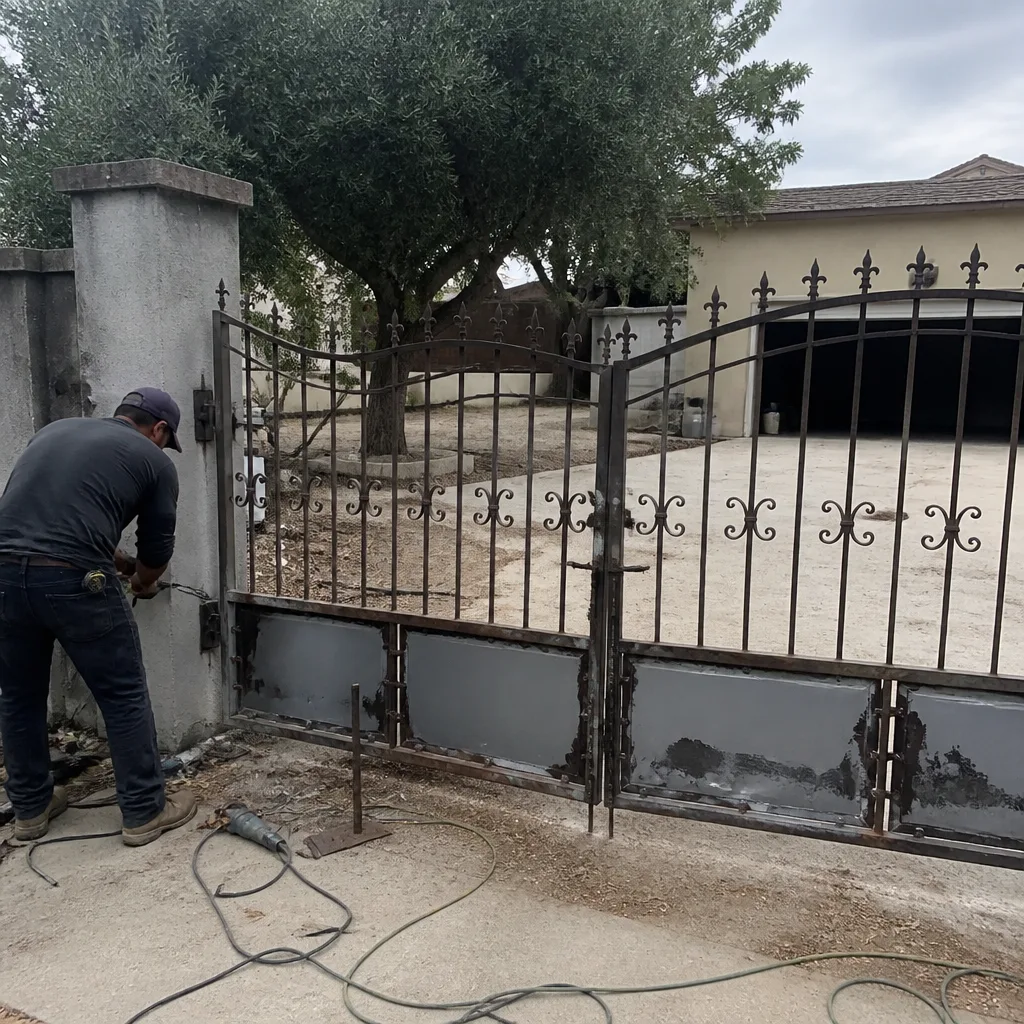 Before
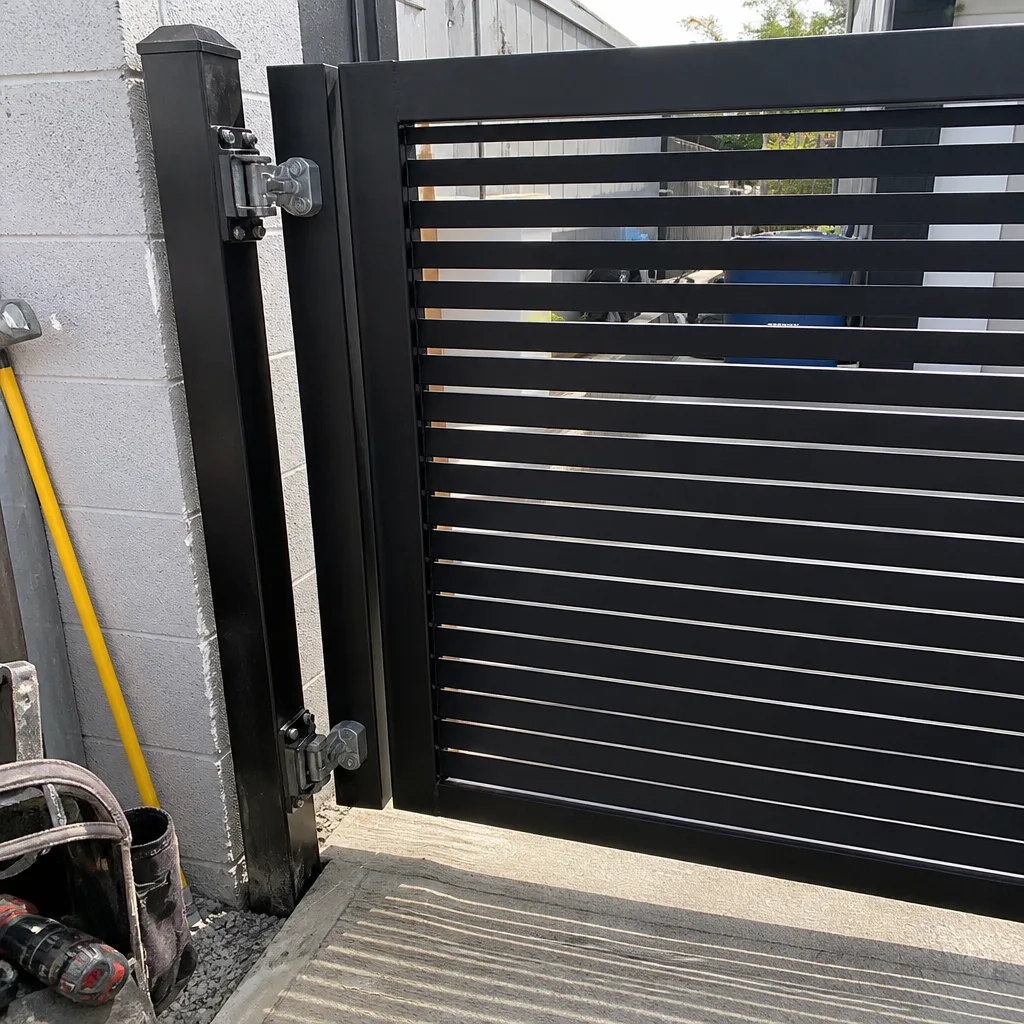 After
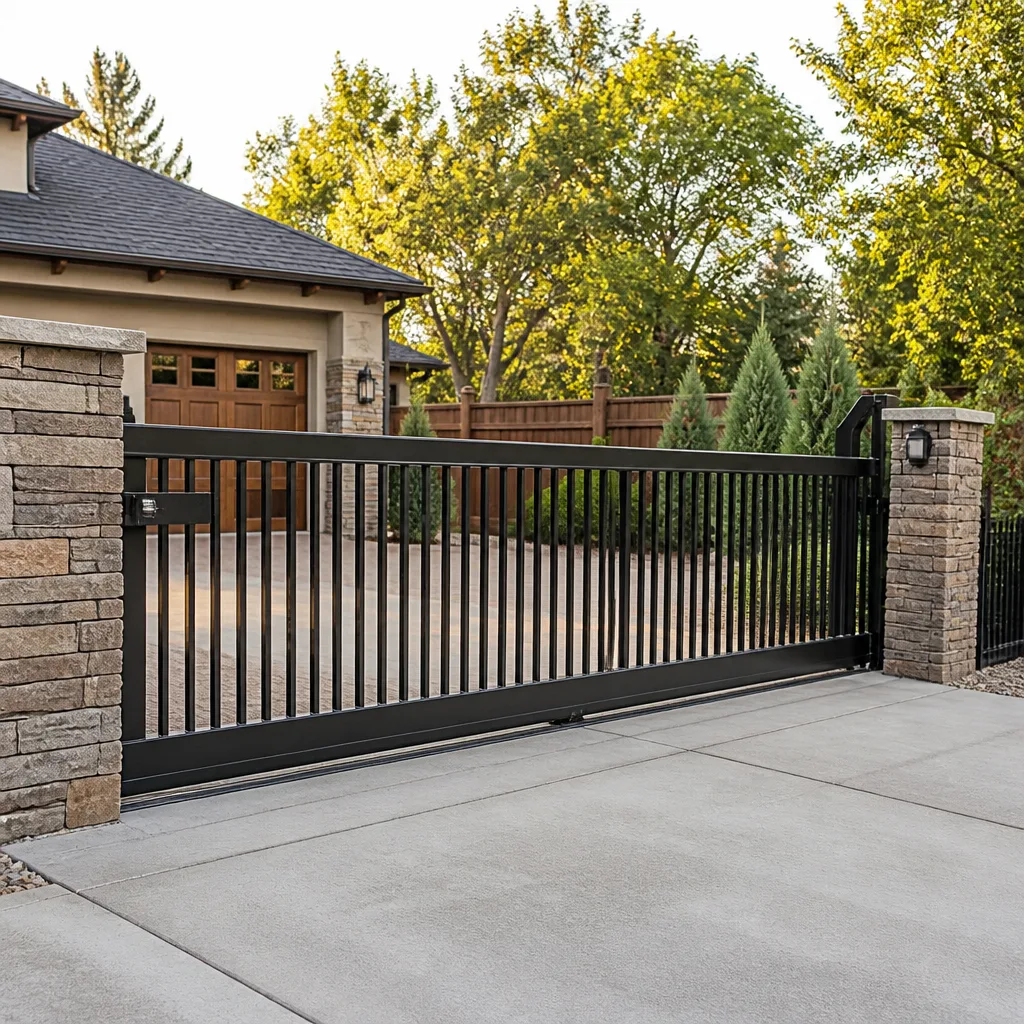
After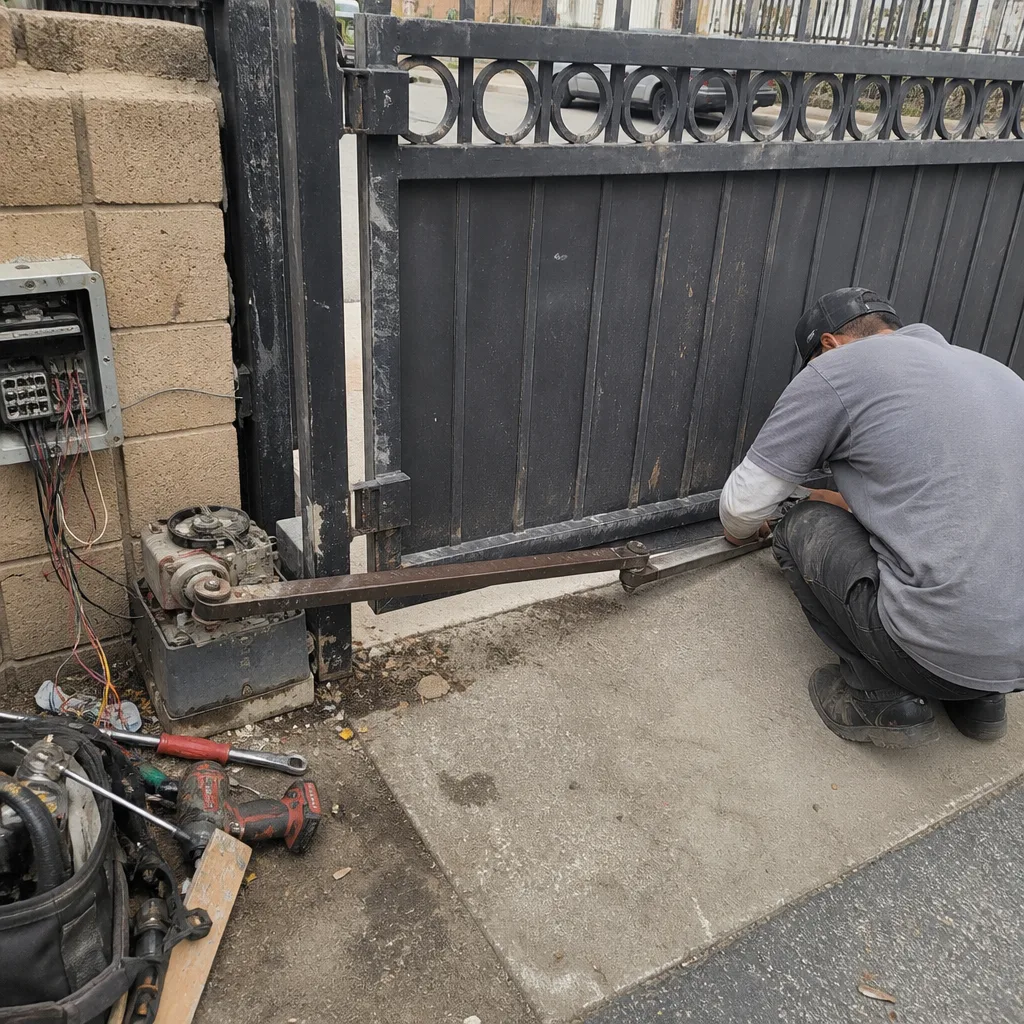 Before
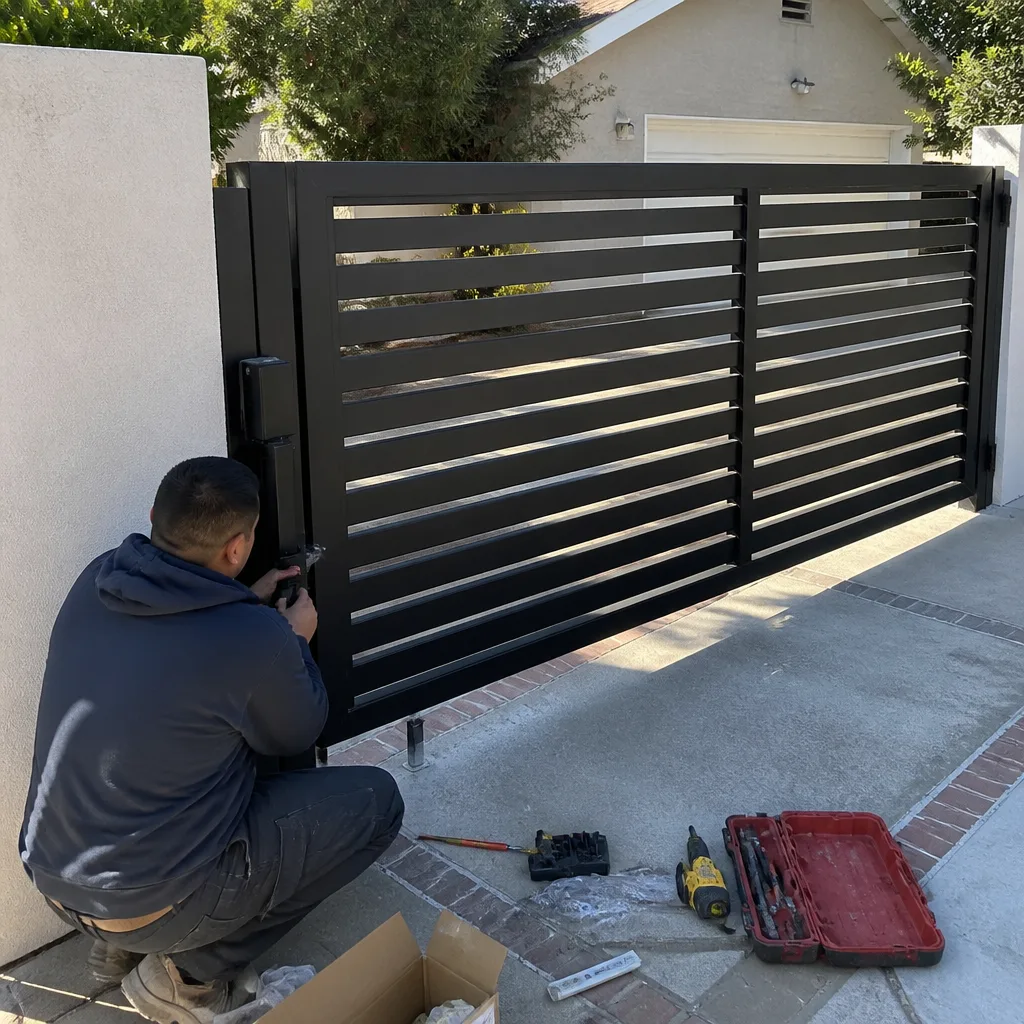 After
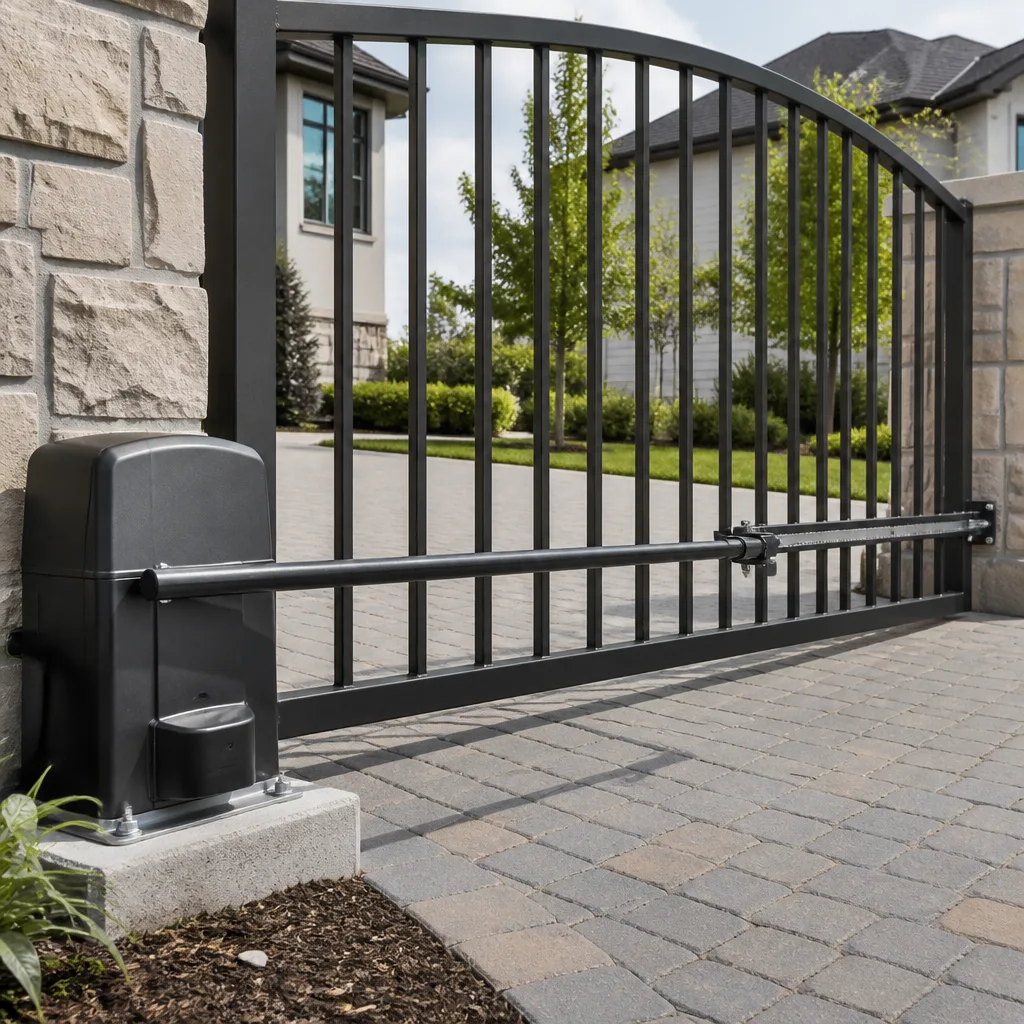
After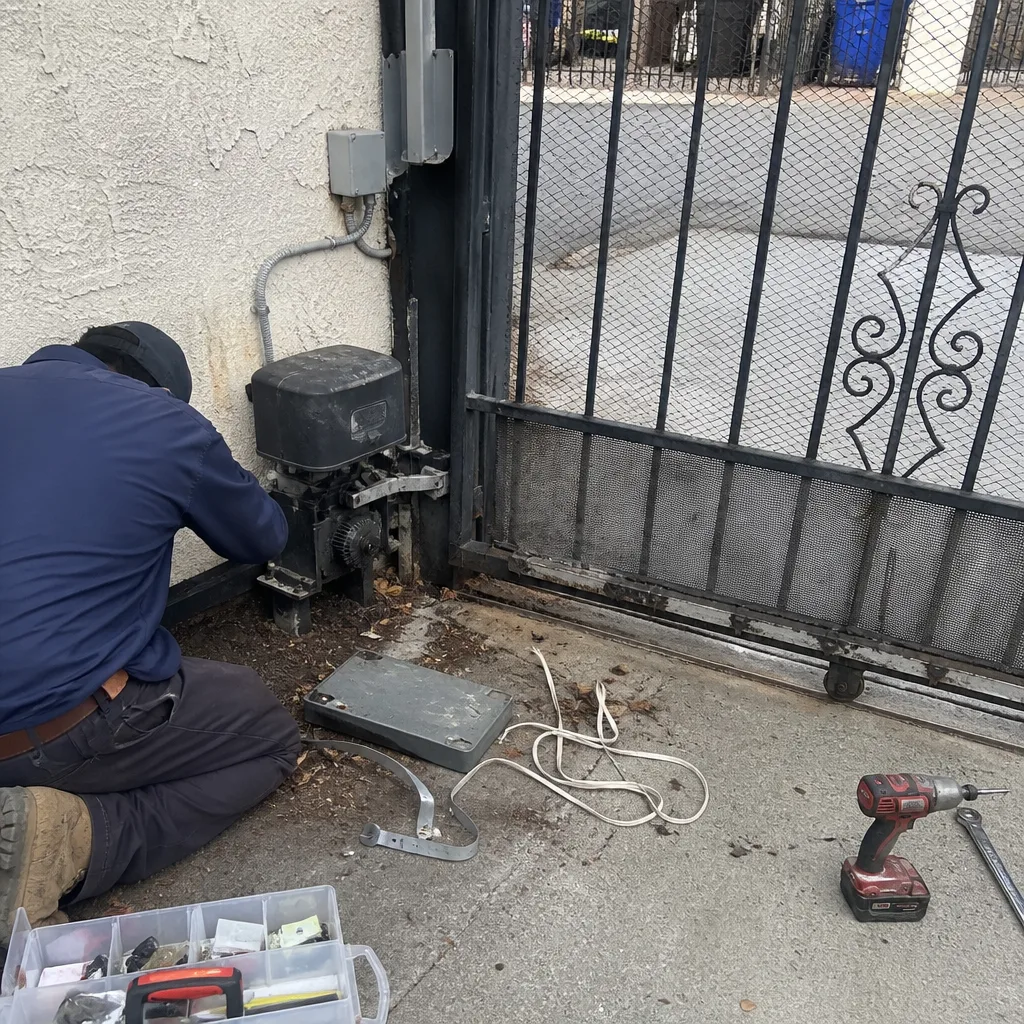 Before
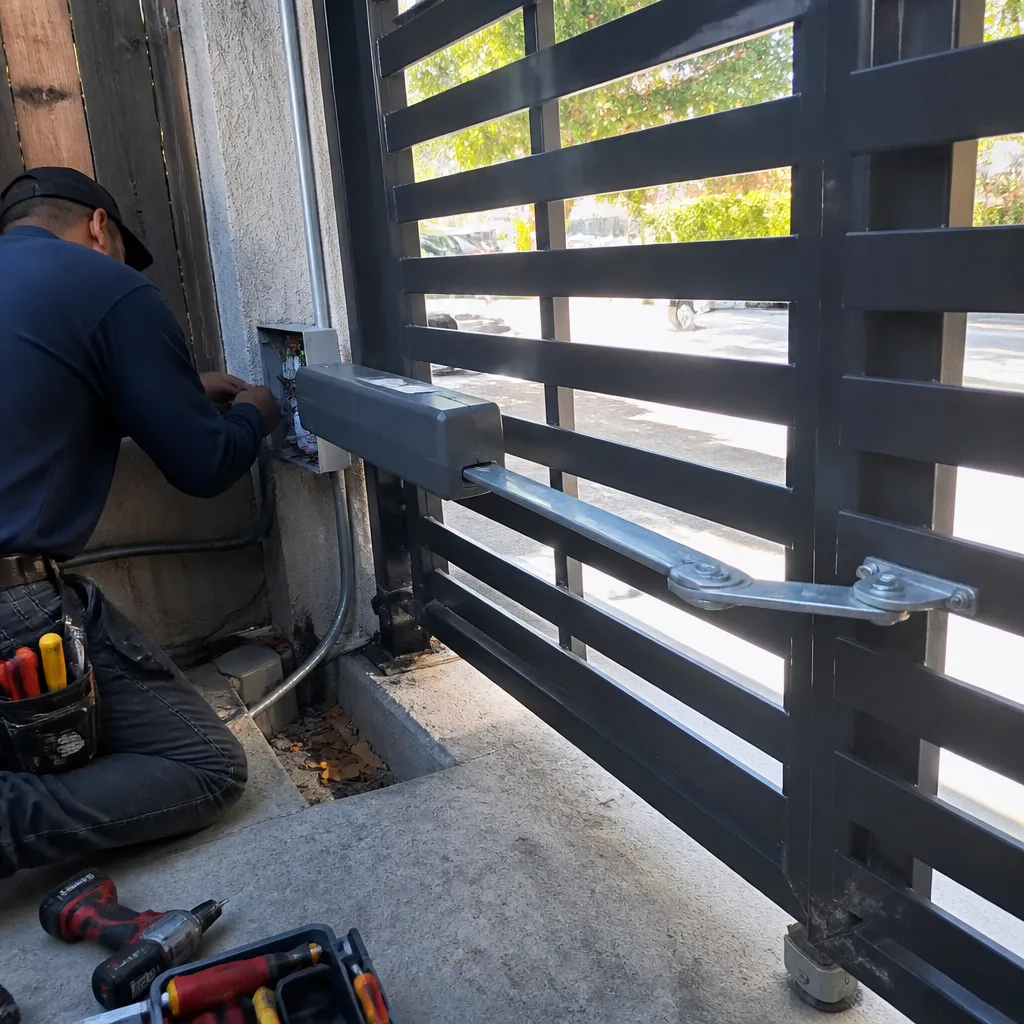 After
AfterGate Opens Partway and Stops
A gate that opens partway and stops is almost always caused by one of four things: a limit switch that’s drifted out of calibration, an obstruction the gate’s sensors detected (real or phantom), a weak or failing motor struggling to complete the cycle, or a mechanical bind somewhere along the track or hinge. In most cases, a trained technician can diagnose which one it is within the first few minutes on site.
The symptom feels vague, but it’s actually one of the more readable faults a gate can throw. The gate is telling you it hit a condition it wasn’t expecting – either a physical stop, a programmed limit, or a signal telling it something is wrong. The job is figuring out which. That’s easier than it sounds when you know what to look and listen for, and we’ll walk you through it below before your local Calder Gate Repair team arrives.
Why It Happens
1. Limit Switch Out of Calibration
The limit switch is the part of your gate opener that tells the motor “you’ve traveled far enough – stop here.” Over time, through vibration, weather changes, or just normal wear, that setting drifts. When it does, the gate stops short of fully open because it thinks it’s already there. You’ll usually notice this one because the gate stops at almost exactly the same point every single time, with no error light and no alarm from the opener.
2. Obstruction Sensors Triggering Falsely
Most electric gates have safety sensors – photoelectric beams or pressure-sensitive edges – that cut the movement if they detect something in the gate’s path. When those sensors get dirty, knocked out of alignment, or start to fail electronically, they can trigger a stop on nothing at all. The giveaway here is that the gate stops at inconsistent points, and you may see an indicator light flashing on the control board or the opener unit itself.
3. Motor Struggling Under Load
A motor that’s losing power – whether from age, a failing capacitor, or a worn drive mechanism – will often get the gate moving but run out of strength before the cycle completes. This tends to show up on heavier gates first. Listen carefully: a struggling motor usually sounds labored or slower than it used to, and in some cases you’ll hear it straining before it trips the thermal overload protection and cuts off entirely. If the gate works fine when the weather is cool but stops partway on hot days, motor overheating is a strong candidate.
4. Mechanical Bind in the Track, Hinge, or Arm
If something in the physical mechanism – a bent track section, a hinge that’s seized up, a damaged drive arm, or debris packed into the rollers – is creating friction, the opener will hit a point where it simply can’t push or pull the gate any further. The motor stops because the load exceeds what it’s rated to handle. You can often spot this one by manually releasing the gate (using the emergency release cord or lever, which varies by brand and model) and trying to swing it by hand. If it moves freely all the way, the fault is electrical or in the opener. If you feel resistance at the same spot where it was stopping, you’ve found a mechanical bind.
What to Do Right Now
- Stop cycling the gate repeatedly. Every failed attempt puts additional stress on the motor and drive components. If the gate is stuck partway, leave it where it is until a technician can assess it.
- Check the sensor eyes for obvious dirt or misalignment. If your gate has photoelectric sensors, look at both the transmitter and receiver units mounted near the ground. Clear any leaves, mud, or spider webs off the lenses. Make sure neither has been bumped and is now pointing at an angle.
- Use the manual release – carefully. Most gate openers have an emergency release that disconnects the gate from the motor so you can move it by hand. Consult your opener’s manual for the correct procedure for your specific model. Do not force the gate if you feel significant resistance – that resistance is diagnostic information, and forcing it can cause further damage.
- Do not attempt to adjust springs, cables, or internal drive components yourself. If your gate system uses counterbalance springs or tensioned cables, leave those strictly alone. These components store significant mechanical energy and can cause serious injury if handled without proper training and tools. Photograph them and describe what you see when you call.
- Take a short video of the fault. A 15-second clip of the gate stopping partway – including any sounds the motor or mechanism makes – is genuinely useful to your local Calder Gate Repair team. It can help the technician arrive with the right parts and shave time off the diagnosis.
How We Fix It
When your local Calder Gate Repair technician arrives, the first thing they do is run through the diagnostic sequence in order: sensors, limits, mechanical path, then motor. It’s not guesswork – it’s a structured check that usually narrows the cause within ten to fifteen minutes.
If it’s a limit switch, recalibration is typically straightforward. Sensor faults usually mean a cleaning, realignment, or sensor replacement. A mechanical bind gets traced to its source – a hinge, roller, track, or drive arm – and the affected part is repaired or replaced. Motor issues are assessed for repair versus replacement depending on the unit’s age and condition, and we’ll tell you which makes more sense before anything happens.
This falls squarely under our gate repair and electric gate repair services. Before we touch anything, you get a written price. That’s not optional – it’s how every Calder job works, no exceptions. And every repair is backed by the 365-Day Done Right Promise: if it’s not right, we come back and make it right, in writing, at no extra charge.
Frequently Asked Questions
It depends on where it stopped and what’s causing the fault. A gate stuck partway open is a security and safety concern – it’s not fully blocking access to your property, and in some configurations a partially stopped gate under tension can move unexpectedly. Don’t leave children or pets near it, and don’t try to push it the rest of the way by hand if you feel resistance. Call (903) 417-0793 and get a technician out – a live person picks up around the clock.
No. Repeated cycling when the gate is stopping short stresses the motor and can turn a minor calibration issue into a motor replacement job. It also makes the diagnostic harder because repeated failed attempts can trigger thermal protection modes or mask the original fault. Try once more after checking the sensors. If it still stops, leave it and call.
Your local Calder Gate Repair team handles gate repair calls and dispatches technicians with a live, trackable arrival time – not a vague window. Call (903) 417-0793 any time, day or night, and a real person will answer, check availability, and get you booked. We don’t do voicemail on incoming calls.
The honest answer is that the price depends on what the diagnosis turns up – a limit switch recalibration is a different job than a motor replacement or a drive arm repair. What we can promise is that you’ll have the price in writing before any work starts, and the number on your invoice will be the number you agreed to at the door. Call (903) 417-0793 to get a free written estimate for your specific gate and situation.
Get It Fixed
Call (903) 417-0793 or book online – a live person answers 24 hours a day, 7 days a week. Your local Calder Gate Repair team arrives with a trackable time, a written price before anything starts, and the 365-Day Done Right Promise on every repair.
Written by Nico Alvarez, Owner and Lead Technician at Calder Gate Repair, part of the Relay Home Co. family serving communities nationwide since 2009.
What Our Customers Say
"Booked online. The tech texted his ETA and arrived on time. Gate opener was dead; he replaced the control board and tested the sensors."
- Terry W."Booking was easy and the job was done quickly."
- Seth R."Swing gate arm replaced and aligned. Got photos of the old part by text."
- Nadia F.