
Last updated October 9, 2026
Free on-site gate assessment - hinges, posts, and your LiftMaster or Nice gate operator checked before anything is quoted
The assessment is free and the quote is the invoice.
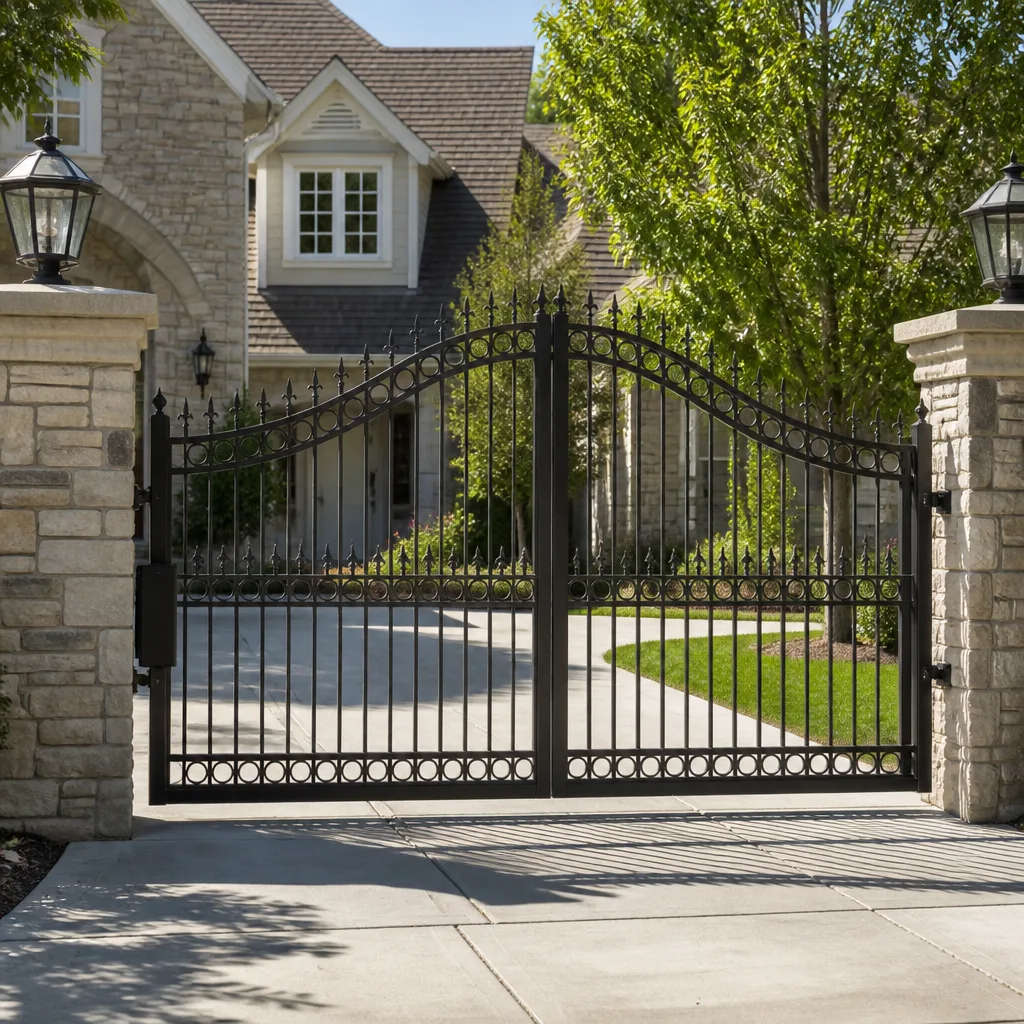
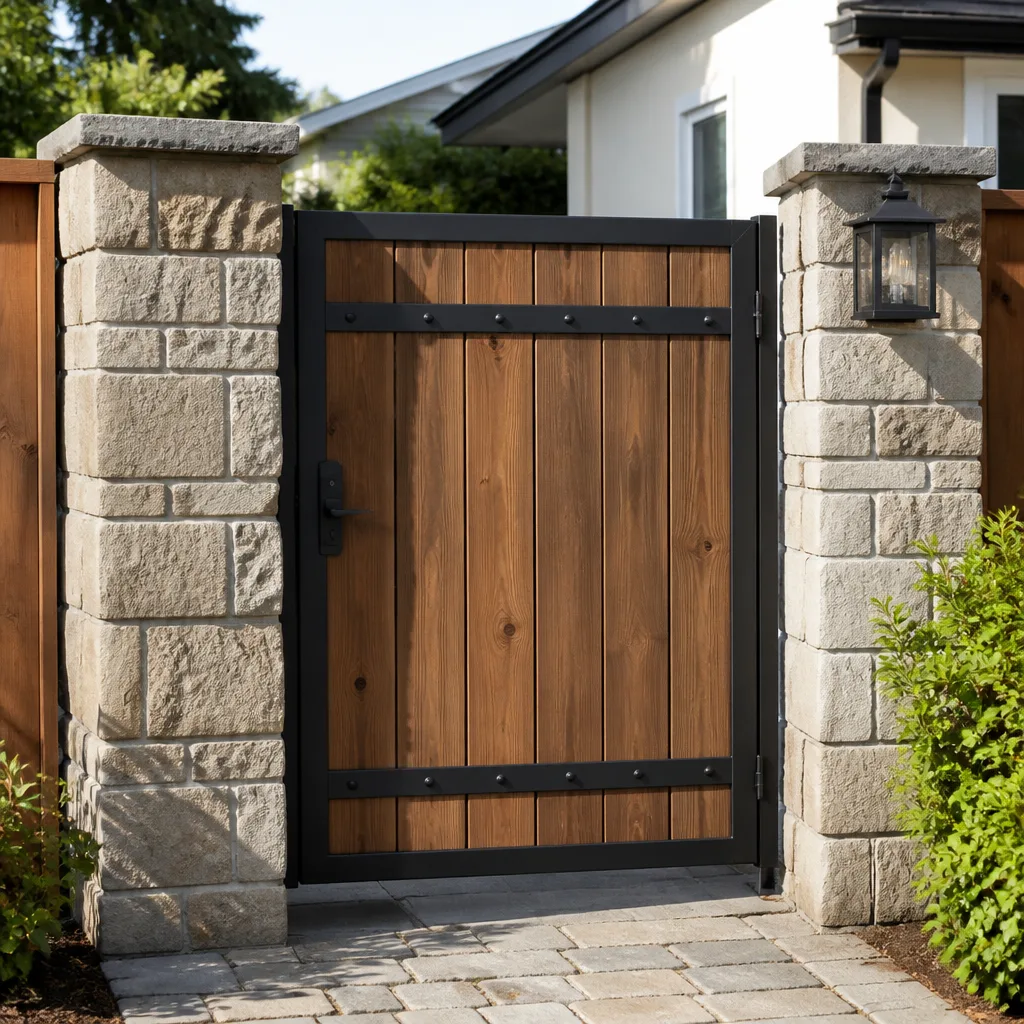
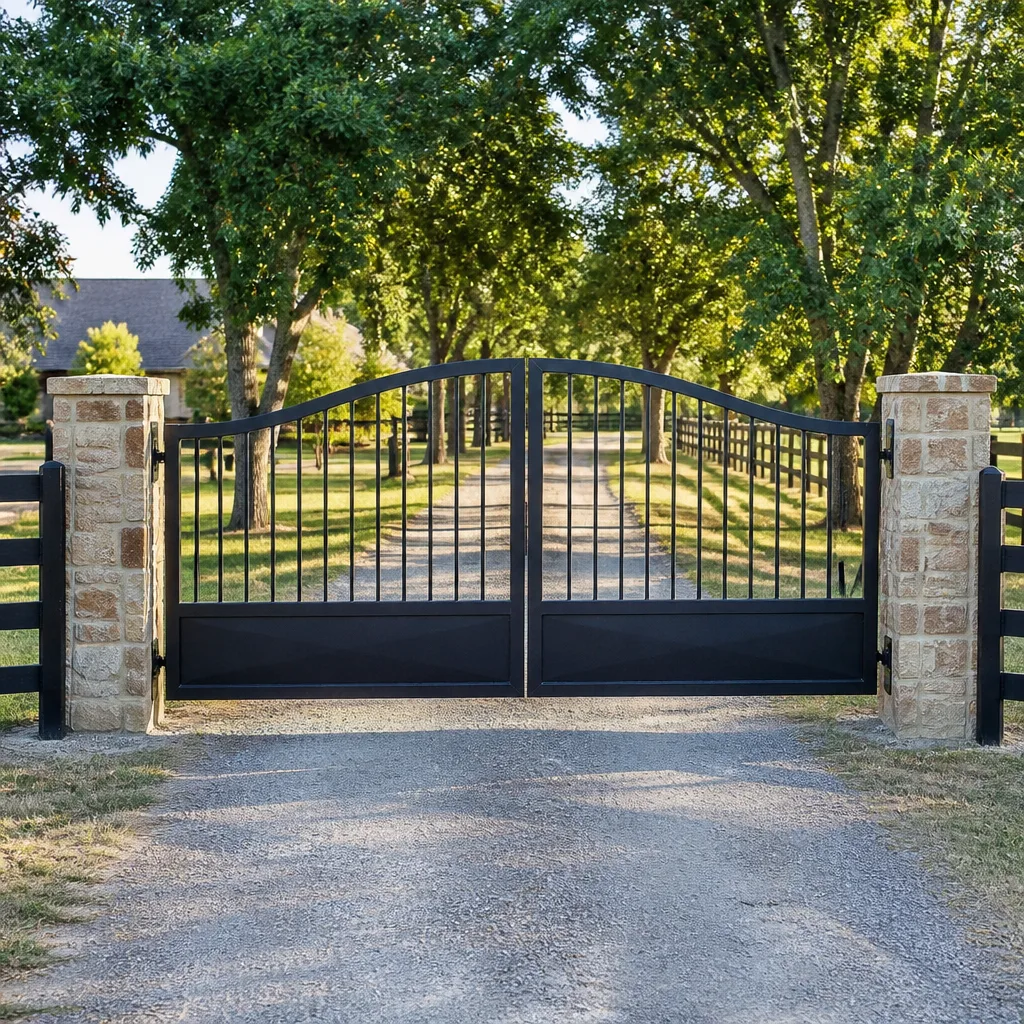
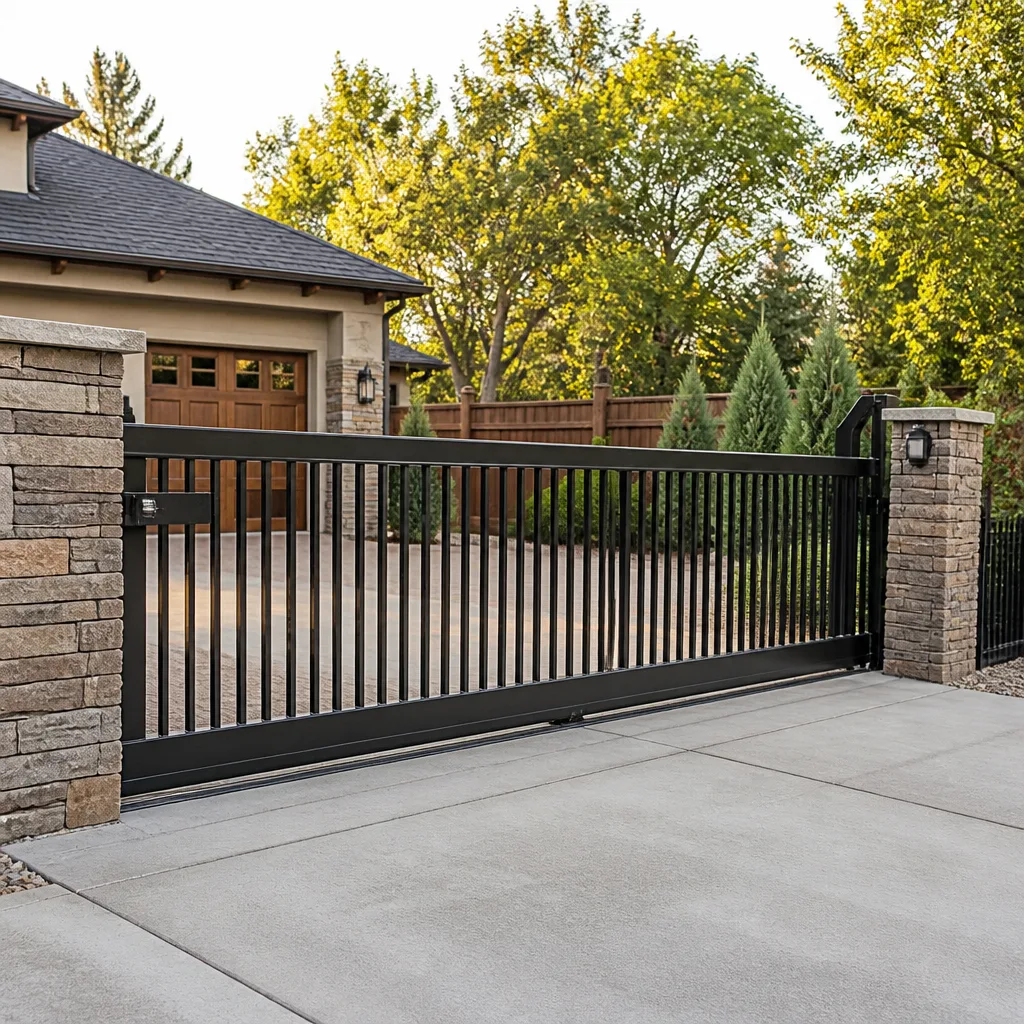
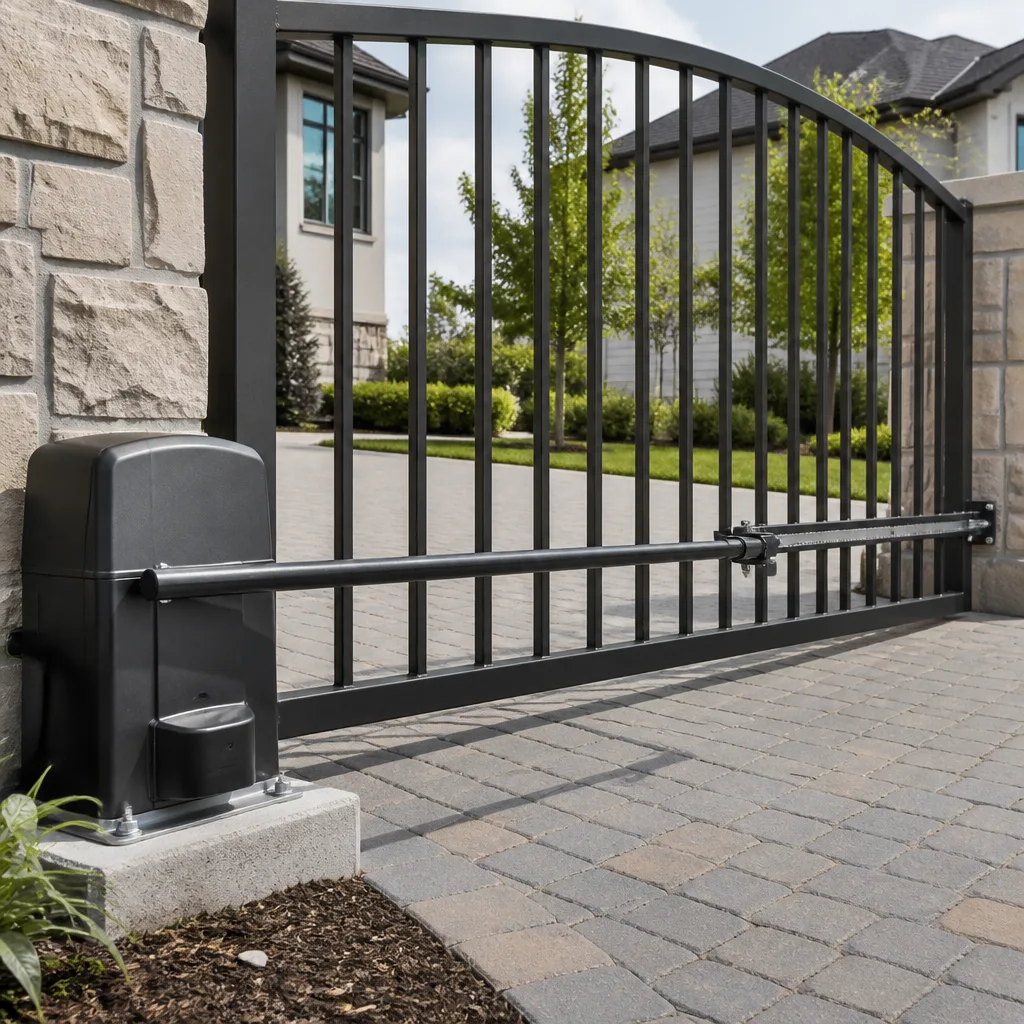
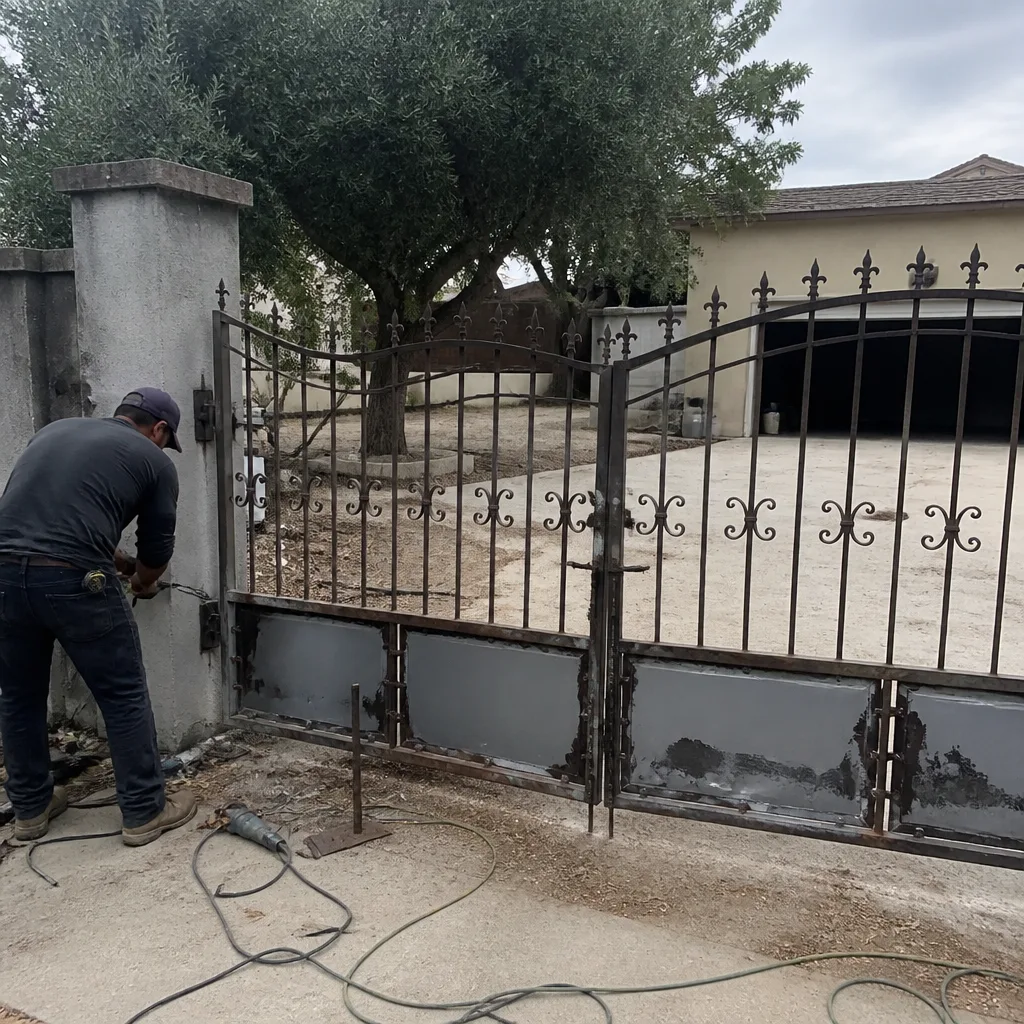 Before
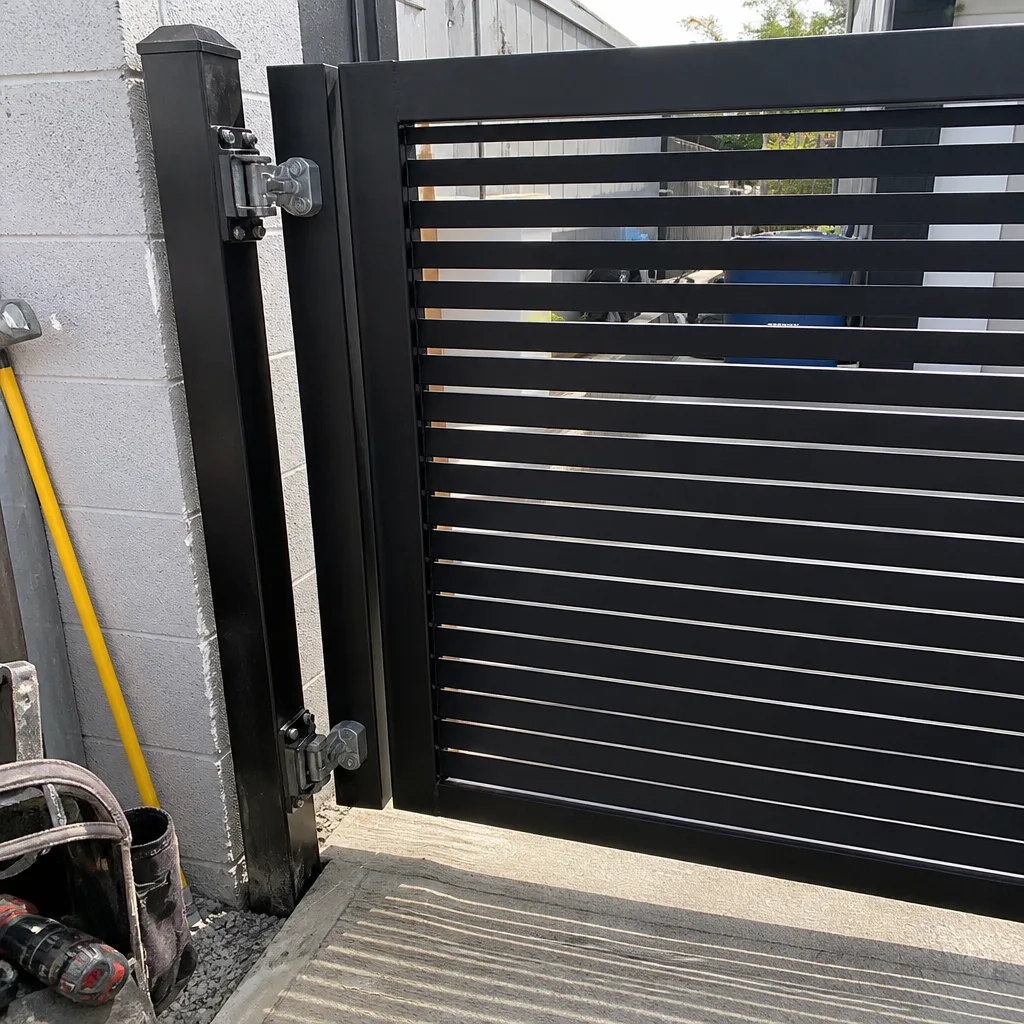 After
After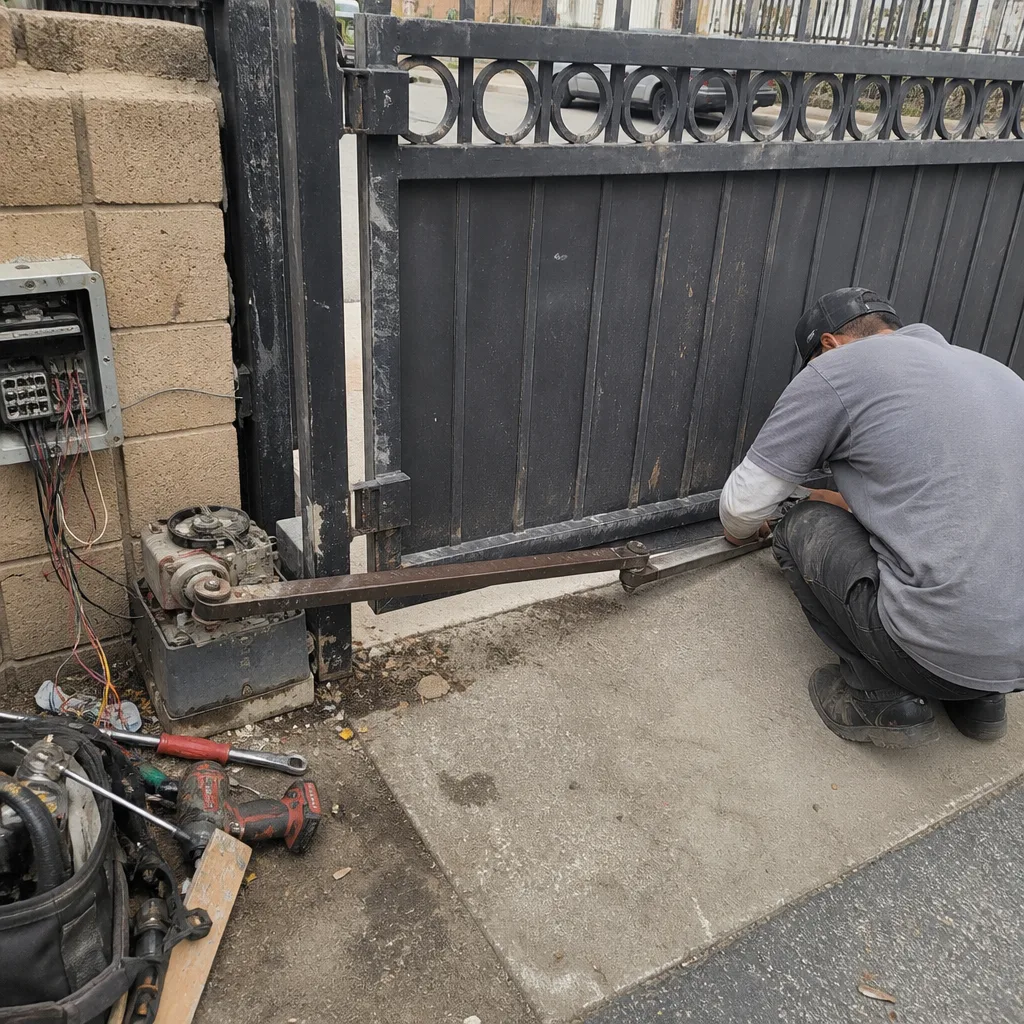 Before
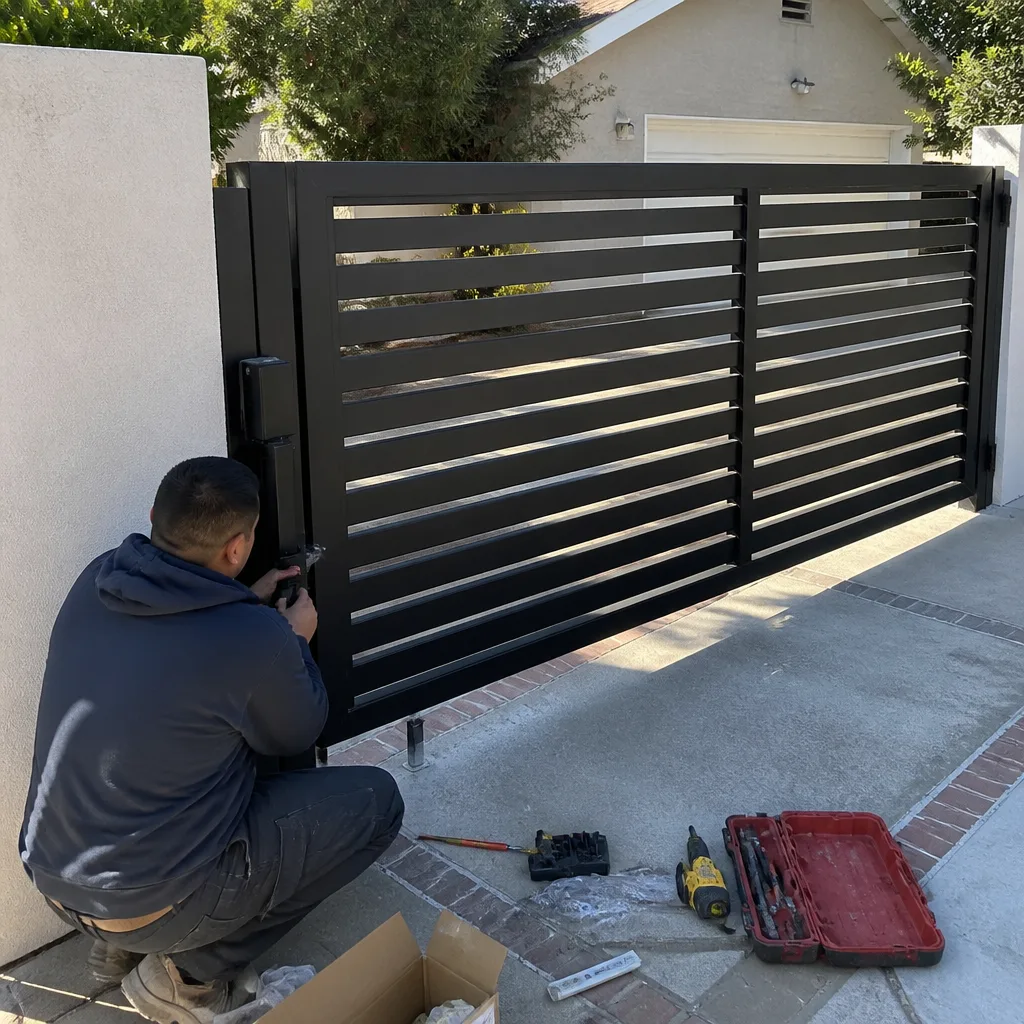 After
After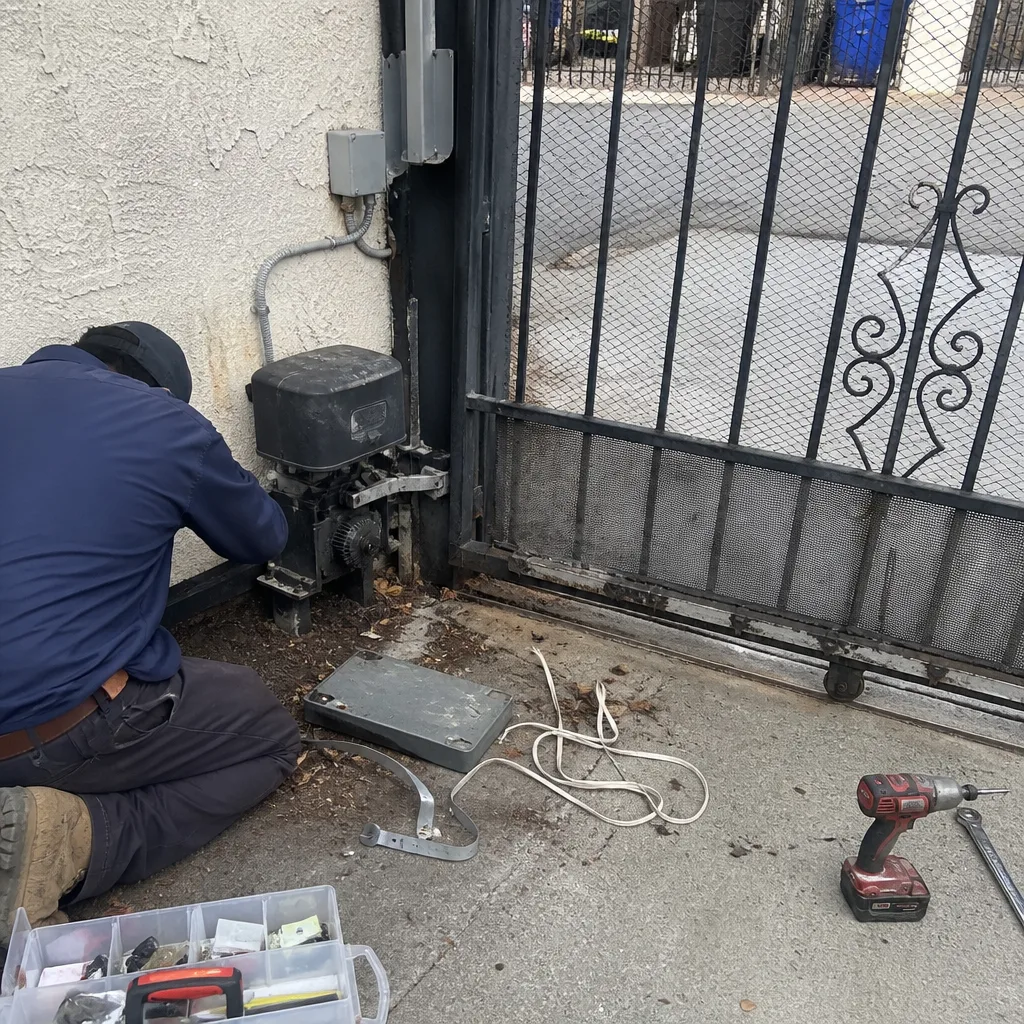 Before
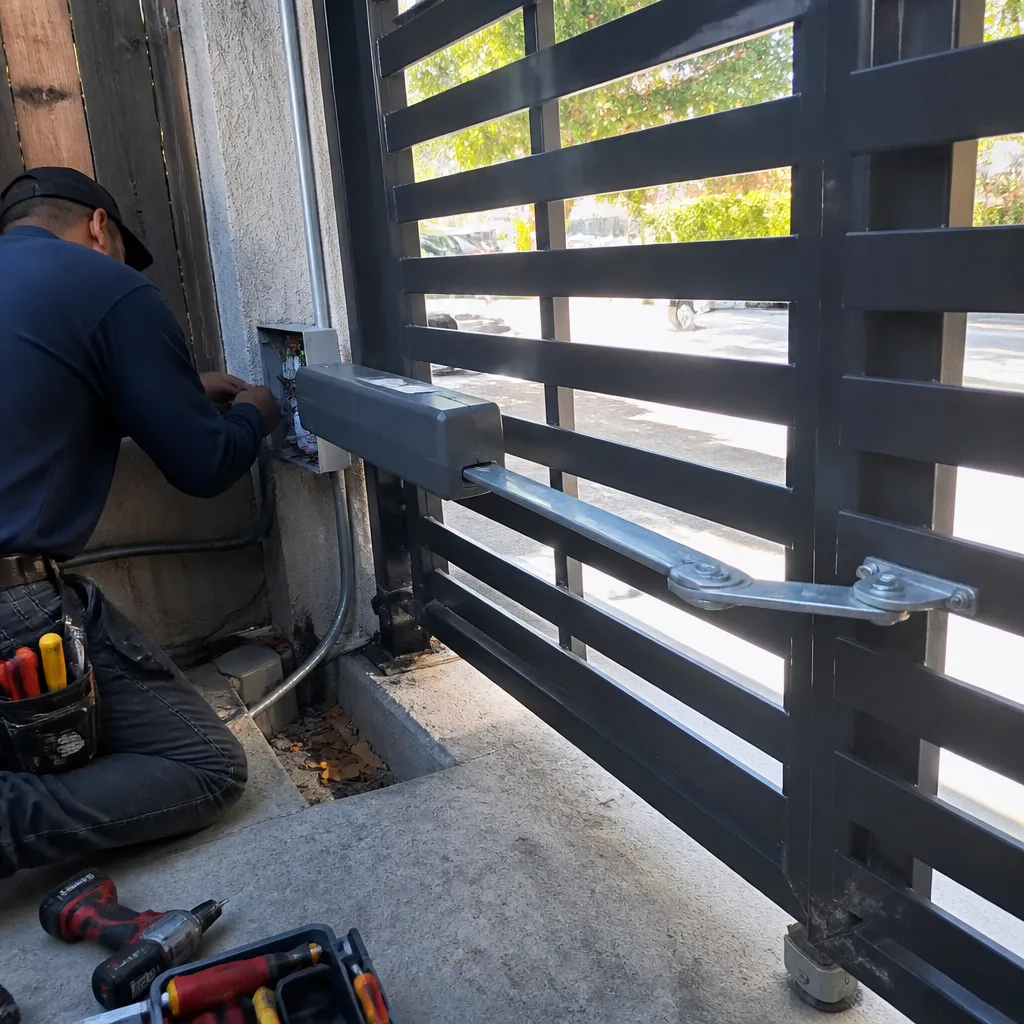 After
AfterThe Complete Gate Opener Repair Guide for Los Angeles Homeowners
Los Angeles has more residential gate openers per square mile than almost any other U.S. city, and a disproportionate number of them are running on sun-cracked wiring and decade-old boards that passed their replacement window two summers ago. This guide is built around the actual brands, climate conditions, and property types our Los Angeles technicians encounter every week, not a generic template that could apply to Cleveland. You’ll learn what actually breaks on LA gate openers, what repairs cost in this market, how the city’s UV exposure and power grid affect your system, and when a repair makes sense versus a full replacement.
Quick Answer
Gate opener repair in Los Angeles typically runs $180 to $620 for most common failures, with control board replacements, gear repairs, and sensor alignments being the three most frequent jobs. Most repairs on brands like FAAC, BFT, Linear, and Viking are completed the same day the technician arrives, and the fastest path to a working gate is calling a repair service that stocks LA-common parts locally rather than ordering from out-of-state distributors.
Table of Contents
- Why Los Angeles Is Uniquely Hard on Gate Openers
- The Nine Brands You’ll Find on LA Properties
- What Gate Opener Repair Costs in Los Angeles
- What Actually Breaks: Failure Patterns We See Weekly
- Power Quality and LA’s Grid: The Silent Board Killer
- Permits, HOA Rules, and LA County Requirements
- Brand-by-Brand Parts Availability in the LA Market
- What You Can Safely Check Yourself vs. What Needs a Pro
Why Los Angeles Is Uniquely Hard on Gate Openers
Manufacturer service schedules assume a temperate climate with predictable wear. Los Angeles ignores that assumption entirely. The city’s combination of intense UV exposure, dramatic temperature swings between day and night, coastal salt air in some neighborhoods, and the fine dust that blows through hillside communities from the Santa Anas creates a specific set of conditions that accelerate component failure in ways a manual won’t predict.
We see it constantly. A gate opener in Bel Air hillside property has a different failure profile than one in a flat Van Nuys lot. Hillside gates fight gravity every cycle, which means the motor draws more current with each open and close. That extra heat degrades capacitors and solder joints about 18 to 22 months faster than the same model installed on level ground. Meanwhile, a gate on a Studio City canyon lot deals with leaf litter and debris that jams the track, while a coastal Pacific Palisades system gets salt spray that corrodes limit switch contacts within three to four years.
Los Angeles temperature swings also matter more than people assume. A control board mounted inside a metal operator housing on a 95-degree Valley day can reach 140 degrees internally. When night drops to 60, the thermal expansion and contraction stresses solder joints on the board. The cycle repeats every 24 hours, roughly 300 days a year. That’s why we replace more control boards in Los Angeles per capita than technicians in Portland or Seattle, where the temperature stays flat and mild.
The practical takeaway: if your opener is over five years old and has never been serviced, the components most likely to fail in the next 18 months are already showing early stress. A quick inspection now costs far less than an emergency repair at 11 p.m. when the gate won’t close.
The Nine Brands You’ll Find on LA Properties
Los Angeles is a patchwork of neighborhoods built in different eras, and the gate openers reflect that. Older Hollywood Hills homes from the 1960s and 70s often have Viking or DoorKing swing arm operators that were installed when the house was first gated. Homes built in the 1990s and 2000s in Sherman Oaks, Studio City, and Calabasas are more likely to have FAAC or BFT hydraulic operators, which were the preferred spec for high-end residential contractors during that period. Flat Valley lots with chain-drive slide gates, common in Sylmar and Sunland, frequently run Linear or LiftMaster operators.
We profile the brands differently than a national reviewer would. A brand’s reliability in Los Angeles depends less on its national reputation and more on how well its components handle UV, heat, and power fluctuations. Viking operators have a mechanical simplicity that’s aging well in the older hillside properties, but their control boards are more vulnerable to surge damage than newer digital boards. FAAC hydraulic units run quieter and handle heavy gates better than anything else, but hydraulic fluid degrades in heat and needs replacement every 18 to 24 months in a hot inland location like Burbank, while coastal installations can stretch that to 36 months.
BFT and Linear are the workhorse brands of the Valley. Parts are readily available locally, and both brands have electronics designed with surge protection baked in more thoroughly than the older systems. Ghost Controls and Mighty Mule are the consumer retrofit brands common on lighter driveway gates in neighborhoods like Northridge and Chatsworth, installed by homeowners or handymen rather than gate contractors. They’re serviceable but rarely built to handle the duty cycle a hillside gate demands.
What Gate Opener Repair Costs in Los Angeles
Most gate opener repairs in Los Angeles run $180 to $620 before parts. That’s the range for the actual repair labor and diagnosis, assuming standard single-family residential gates. Here’s the line-item breakdown by job type:
| Repair Type | Typical Cost Range | What Affects the Price |
|---|---|---|
| Limit switch replacement | $145 – $225 | Single or dual switch, board integration |
| Remote control programming | $75 – $150 | Brand, receiver type |
| Control board repair (component level) | $180 – $350 | Board age, soldering complexity |
| Control board replacement | $280 – $620 | Brand, board type, availability |
| Gear and sprocket repair | $250 – $480 | Operator type, gear size |
| Sensor / photo eye alignment or replacement | $120 – $260 | Wiring condition, sensor type |
| Full operator replacement | $950 – $1,900 | Gate size, brand, electrical work needed |
These are Los Angeles market prices, not national averages. Here, labor rates for licensed gate technicians run higher than the national median because of the cost of doing business in the city, but the trade-off is parts proximity. LA has one of the densest gate parts distributor networks in the country, so common parts for FAAC, BFT, Linear, and Viking are often available same-day from local warehouses in the San Fernando Valley and Commerce. That availability often pulls the total repair cost down because you’re not paying for overnight shipping from Texas.
Every repair at Calder Gate Repair starts with a written price before any work begins. The number on the invoice is the number agreed to at the door. If we open a housing and find a second problem, we stop, explain what changed, and get your okay on a revised written quote before continuing. There are no surprise line items.
What Actually Breaks: Failure Patterns We See Weekly
Here’s the failure list, ranked by frequency on Los Angeles residential gates:
- Limit switch failure – The limit switch is the small sensor that tells the gate when to stop at the open and closed positions. When it goes, the gate either stops halfway, slams into the post, or runs continuously until the thermal overload trips. In LA, the combination of heat and dust is the common cause. Coastal properties get salt buildup on the switch contacts; inland properties get dust and fine grit jamming the micro switch plunger.
- Control board burnout – As covered above, LA’s heat cycles and grid power quality kill boards faster than manufacturer schedules assume. Symptoms include the gate not responding to remotes, the board clicking without engaging, or the operator behaving erratically. A board that’s been baking in a Valley summer for three years is overdue.
- Gear and sprocket wear – Mechanical wear happens everywhere, but hillside LA properties where the gate fights gravity see accelerated wear on the gear train. The nylon gears in Linear and LiftMaster operators are the most common replacements. If your gate opens slower than it used to or you hear a grinding noise mid-travel, the gears are worn.
- Photo eye misalignment – The safety sensors at ground level get bumped, kicked, or shifted by landscape work. When the beam breaks or misaligns, the gate won’t close, or it reverses mid-close. LA homeowners discover this most often after gardeners or pool crews work near the gate.
- Wiring degradation from UV exposure – Direct sun on low-voltage wire insulation doesn’t look dramatic, but after five to seven years the insulation becomes brittle and develops hairline cracks. Water gets in, corrosion follows, and the system develops intermittent faults that are difficult to trace without pulling new wire.
- Remote and receiver failure – Transmitter batteries die, but so do receiver module capacitors, especially in heat. If remotes work from 10 feet but not from the street, the receiver’s antenna or capacitor may be the issue.
Power Quality and LA’s Grid: The Silent Board Killer
Los Angeles has some of the oldest neighborhood power infrastructure of any major U.S. city, and the grid is under increasing strain from summer demand. What this means for your gate opener: brownouts and micro-surges that don’t trip a breaker but do stress control board electronics.
A brownout is a drop in voltage below normal operating range, often lasting just a second or two. A control board trying to operate the motor at reduced voltage pulls more current to compensate, which generates heat on already hot summer days. Over time, capacitors dry out and fail. Surge events, which can come from utility switching or from large motors cycling on nearby commercial feeders, spike voltage in the other direction. Those spikes damage the voltage regulation circuitry on the board.
We see the pattern clearly. Homes in older neighborhoods like Silver Lake, Echo Park, and parts of Koreatown have higher rates of control board failure than newer-build areas like Playa Vista or Porter Ranch, even when the gates are the same brands and similar ages. The grid quality difference is the variable.
For homes in surge-prone parts of Los Angeles, we recommend installing a dedicated surge suppressor at the gate operator’s disconnect box. The part costs $40 to $90, and it’s a few minutes of labor while a technician is already on site. It is not a guarantee against every surge, but it’s the single most effective protection for the control board, and it’s a fraction of the cost of board replacement.
Permits, HOA Rules, and LA County Requirements
Gate opener repair rarely requires a building permit in the City of Los Angeles or unincorporated Los Angeles County, provided the operator is being repaired or replaced like-for-like without structural changes. Adding a new gate, widening a gate opening, or installing an opener on a gate that previously had none can trigger permit requirements under the LA Department of Building and Safety (LADBS).
What catches more homeowners off guard is the HOA. If you live in a gated community or a neighborhood with an active HOA, there may be architectural review requirements for any change to the gate’s appearance, including a new operator housing or a different style of opener arm. The repair itself is usually fine, but the visible hardware change can be the issue. We’ve handled repairs in communities across Bel Air, Calabasas, and Porter Ranch where the HOA requested we match the original operator housing or use a specific finish on the new arm.
The second HOA consideration is access and timing. Some communities restrict work hours for gate repairs to avoid blocking the shared entry during peak commute times. If your gate is on a shared easement or controls access to a multi-home parcel, the repair may need to be scheduled with community coordination. Mention this when scheduling the visit so the technician arrives with enough time to complete the job in the approved window.
LA County also has specific safety requirements for any gate operator installed or modified after a certain date: photo eyes and obstruction sensing are mandatory, not optional. If your system is an older install that lacks working safety sensors, any significant repair should include bringing those up to code. A technician who skips this is leaving you exposed to liability if someone is injured or a vehicle is damaged.
Brand-by-Brand Parts Availability in the LA Market
Parts availability in Los Angeles changes the repair timeline significantly by brand. Here’s the current snapshot from what our team sees week to week:
FAAC
FAAC parts availability in LA is strong through the authorized distributor network, but nuance matters. Hydraulic fluid, seals, and replacement hoses are readily available. FAAC control boards for newer models are stocked locally, but boards for older FAAC units (10-plus years) can take three to five days if the distributor doesn’t have them on the shelf. For FAAC hydraulic operators on hillside LA properties, the one part most often backordered is the hydraulic pump assembly, which can take a week to source.
BFT
BFT parts are the easiest to source in Los Angeles, with consistent local stock across the model line. The brand has deep penetration in the Southern California market, and the distributor ecosystem reflects that. Control boards, gear motors, and remote sets for most BFT models are same-day or next-day in most cases.
Linear
Linear is the most economical brand to repair in LA, both because parts are inexpensive and because availability is broad. Linear’s operators are common enough in the Los Angeles market that even older model boards, gear sets, and photo eyes are stocked by multiple local suppliers. If a Linear repair takes more than a day to complete, it’s usually because the diagnosis was wrong, not because the part was unavailable.
Viking
Viking parts availability is decent but more specialized. The mechanical components (gears, arms, connectors) are stockable and generally available. Viking control boards are where things get slower; older Viking board revisions often need to be ordered from a narrower set of suppliers, which can add two to three days. If you have a Viking opener that’s over 12 years old, we recommend confirming board availability before scheduling a repair rather than assuming it’s on the shelf.
What You Can Safely Check Yourself vs. What Needs a Pro
We’re direct about this: most gate opener failures involve a combination of line-voltage electrical work and stored mechanical energy that can cause serious injury. We do not recommend DIY repairs on the operator itself. But there are a few checks anyone can do safely.
- Check the breaker and the disconnect switch. Many “dead gate” calls turn out to be a tripped breaker or a disconnect switch that’s been turned off. Find the breaker labeled for the gate and confirm it’s on. Check the small disconnect box near the operator and confirm the switch is in the on position. If either was tripped or off, flip it back and test the gate before calling a technician.
- Check the remote batteries. If the gate works with the keypad or wall button but not with remotes, replace the remote batteries first. If it still doesn’t respond, move closer to the gate. If it works from five feet but not from the street, the receiver or antenna is the likely problem.
- Look for visible obstruction. Clear debris from the track, check that no branches have fallen into the gate’s path, and confirm the photo eyes are clean and pointed at each other. Wipe the photo eye lenses gently with a dry cloth.
Beyond these three steps, the work involves the operator housing, the control board, the high-tension spring, and the gear train. These components carry stored mechanical energy and connect to line voltage. A control board replacement on most systems requires working inside the energized housing, and a garage-door or gate spring under tension can release suddenly. This is exactly the kind of job to hand to a technician who carries the right tools and knows which wire is live.
Common Mistakes to Avoid
- Ignoring the first symptom. A gate that opens slower than it used to, a humming noise, a slight delay before the motor engages – these are early warnings. Los Angeles homeowners who address the issue at first symptom typically pay $180 to $350. Those who wait until the gate stops working entirely often pay $500 to $900.
- Replacing the remote before checking the receiver. If new batteries and a new remote don’t fix the range problem, the receiver is the actual culprit. Replacing remotes repeatedly without addressing the receiver is a $75 to $150 mistake people make regularly.
- Letting a handyman without gate experience touch the opener. Gate openers share some components with garage door openers, but the control logic, safety sensor placement, and load requirements are different. We fix handyman repairs in Los Angeles on a weekly basis, and the repairs often cost more than the original issue.
- Skipping the surge suppressor. In LA’s older grid neighborhoods, skipping a $40 to $90 surge suppressor means losing a $280 to $620 board in the next surge event. The math doesn’t work in your favor.
- Waiting to replace a failing board on an older operator. If your operator is 12-plus years old and the board fails, rebuilding the unit piece by piece may end up costing more than a full operator replacement in the long run. A good technician will give you the honest comparison, not just the quickest repair.
- Ignoring HOA requirements before the job. Finding out mid-job that your HOA wants a matching finish or specific hardware delays the fix and potentially costs you a reinstallation fee. Check first.
When to Call a Professional
Call a professional when the gate doesn’t respond to the keypad, wall button, or remotes after you’ve checked the breaker and batteries. Call when the gate stops mid-travel, reverses unexpectedly, or makes a grinding noise that’s new. Call when the gate opens on its own, refuses to close, or violates its travel limits. Call when you smell burning near the operator housing or hear a humming without movement. These are not situations to troubleshoot further on a phone forum. Calder Gate Repair offers free estimates in Los Angeles – call (903) 417-0793 and a live person answers 24/7. We’ll give you a written price before any work starts, a written guarantee on every repair, and a free second visit if the repair fails within the 365-Day Done Right Promise window.
Frequently Asked Questions
Most Gate Opener Repair services in Los Angeles cost between $180 and $620 before parts, depending on the repair type. Limit switch replacements run $145 to $225, gear repairs run $250 to $480, and control board replacements run $280 to $620. Every job at Calder Gate Repair includes a written price before work begins, so you’ll know the exact number before a single bolt is turned. Call (903) 417-0793 for a free estimate.
In most cases, yes. Our Los Angeles technicians are dispatched with a live, trackable arrival time, not a vague four-hour window. Common repair parts for FAAC, BFT, Linear, and Viking are stocked in local LA distributor warehouses, which often allows same-day completion. Call (903) 417-0793 and we’ll give you a real arrival time on the spot.
We repair all nine major gate opener brands common in Los Angeles: LiftMaster, FAAC, BFT, Linear, Viking, Ghost Controls, DoorKing, Elite, and Mighty Mule. For full details on maintaining these systems, see The Complete Guide to Gate Repair in Los Angeles. Our team is trained specifically on these systems, which means diagnosis is faster and parts are more likely to be stocked or locally available.
Three LA-specific factors accelerate wear: intense UV exposure that degrades wiring insulation and plastic components, daily temperature swings that stress control board solder joints, and power quality issues on LA’s older grid that damage electronics. Hillside properties add additional strain because the gate fights gravity on every cycle. These variables mean LA gate openers often need board or wiring replacement one to two years earlier than manufacturer schedules assume.
You can safely check the breaker, confirm the disconnect switch is on, replace remote batteries, and clear obvious obstructions. But the operator housing, control board, spring, and gear train carry stored mechanical energy and connect to line voltage. These components can cause serious injury without the right tools and training. We recommend a professional for everything beyond the basic checks. For additional help, explore our more guides & resources.
Yes. A full operator replacement includes verifying the power run, installing or reconnecting the safety photo eyes, and confirming the system meets LA County safety requirements. Every replacement includes a written quote before work starts, and the job is covered by the 365-Day Done Right Promise. If the repair fails within a year, we return at no charge.
The Bottom Line
Los Angeles is unforgiving on gate openers: UV exposure, heat cycling, uneven power quality, and hillside duty cycles all accelerate the failures that other cities see on a longer timeline. The good news is that LA also has a deep parts infrastructure, which means most repairs are completable same-day once diagnosed correctly. Know your brand, know the early warning signs, check the breaker and batteries before you call, and if the problem is beyond those basics, get a professional who stocks local parts and puts the price in writing before starting. If you live in Los Angeles and your gate opener is acting up, call Calder Gate Repair at (903) 417-0793. We’ll give you a straight answer, a trackable arrival, and a written price up front. If it’s a bad board, a worn gear, or a misaligned photo eye, you’ll know within a day, and you’ll know the cost before we touch a wire.
Written by Nico Alvarez, Owner at Calder Gate Repair, serving Los Angeles since 2009.