
Last updated October 9, 2026
Free on-site gate assessment - hinges, posts, and your LiftMaster or Nice gate operator checked before anything is quoted
The assessment is free and the quote is the invoice.
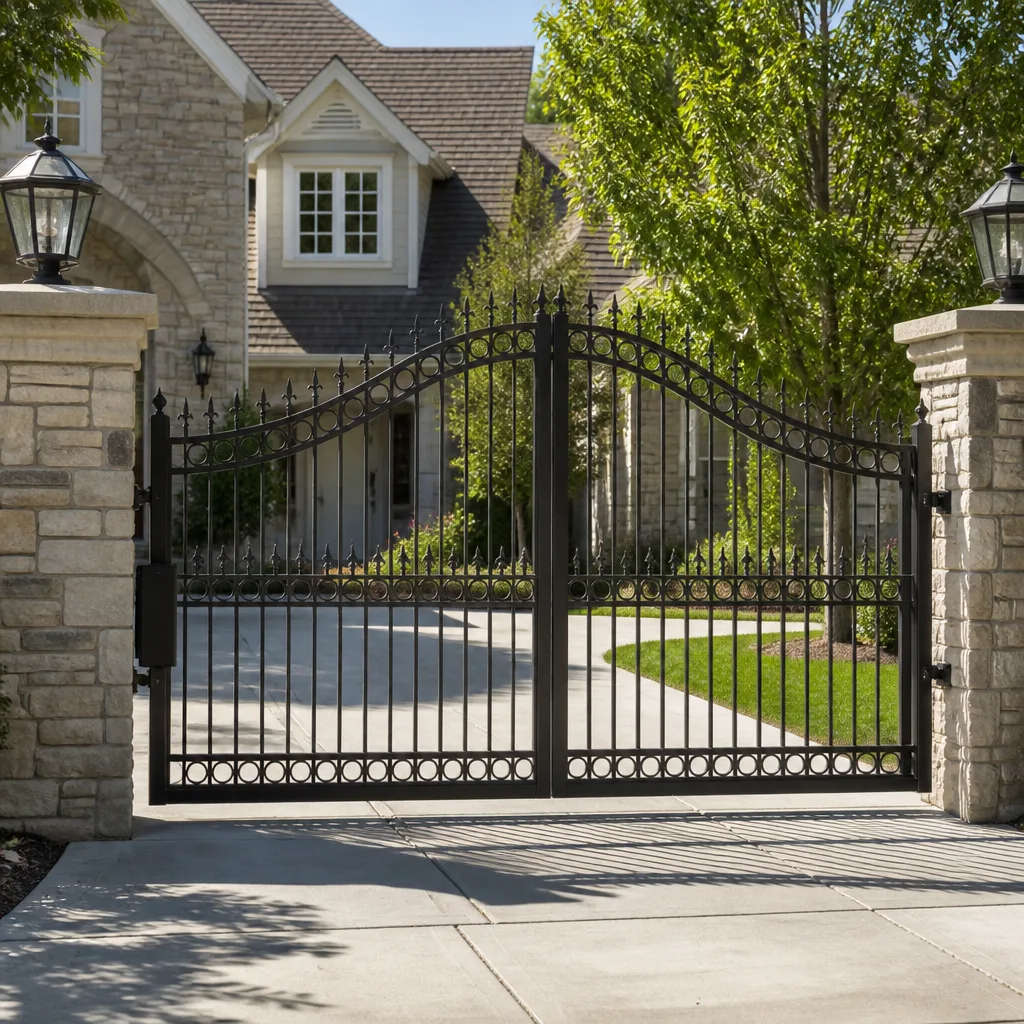
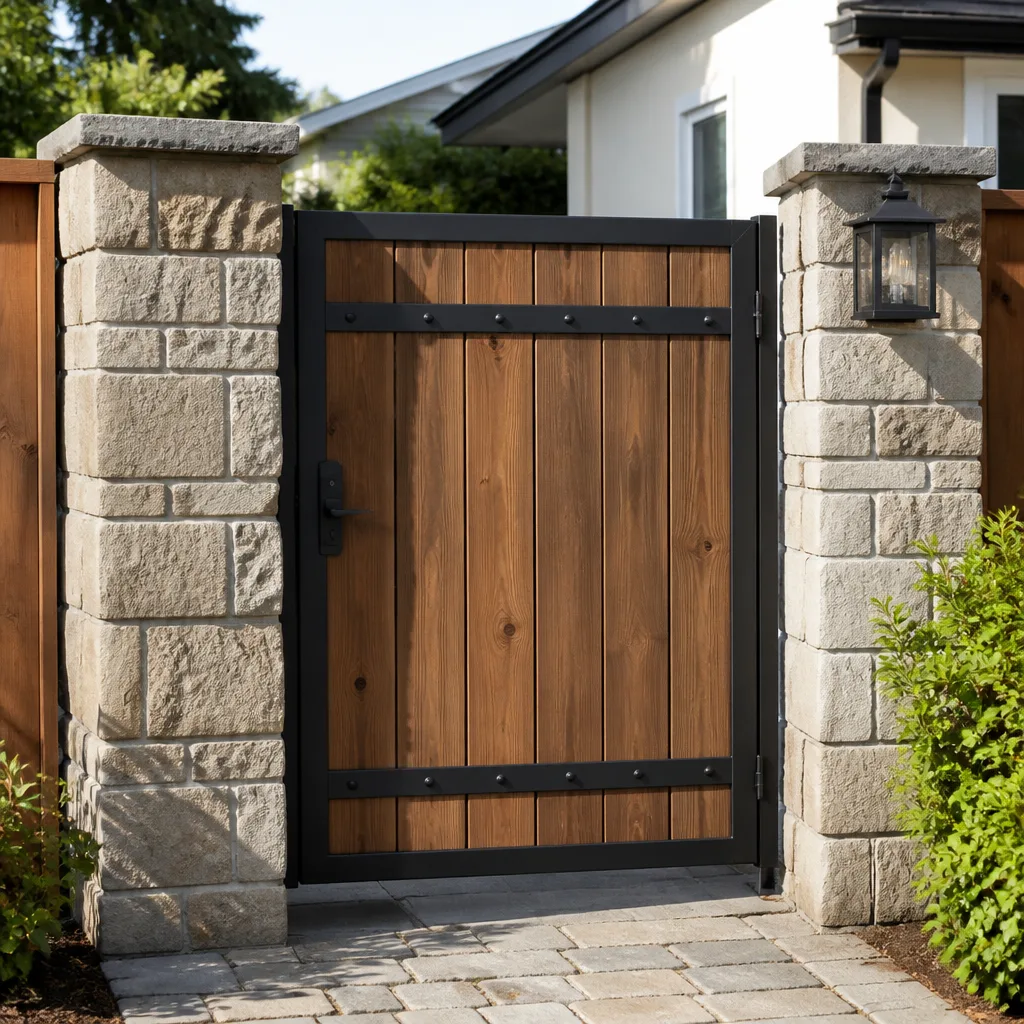
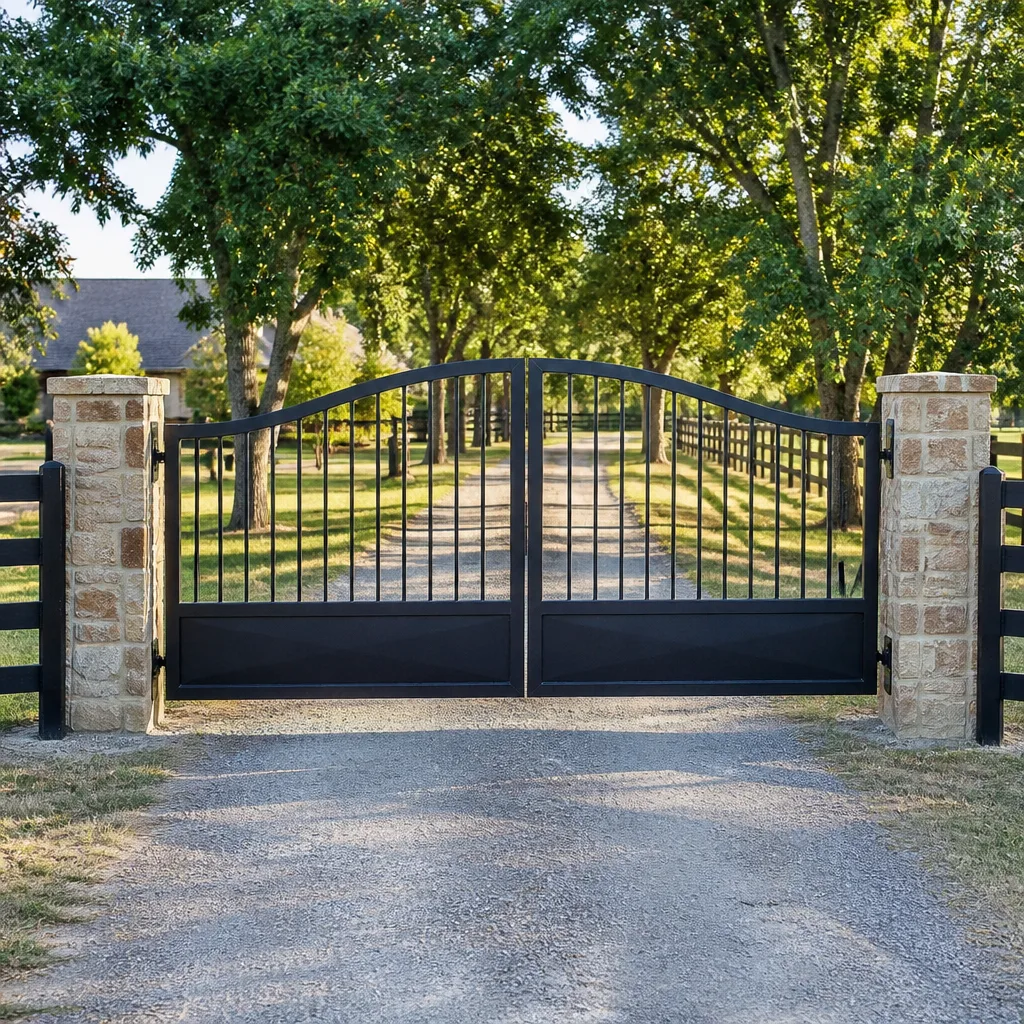
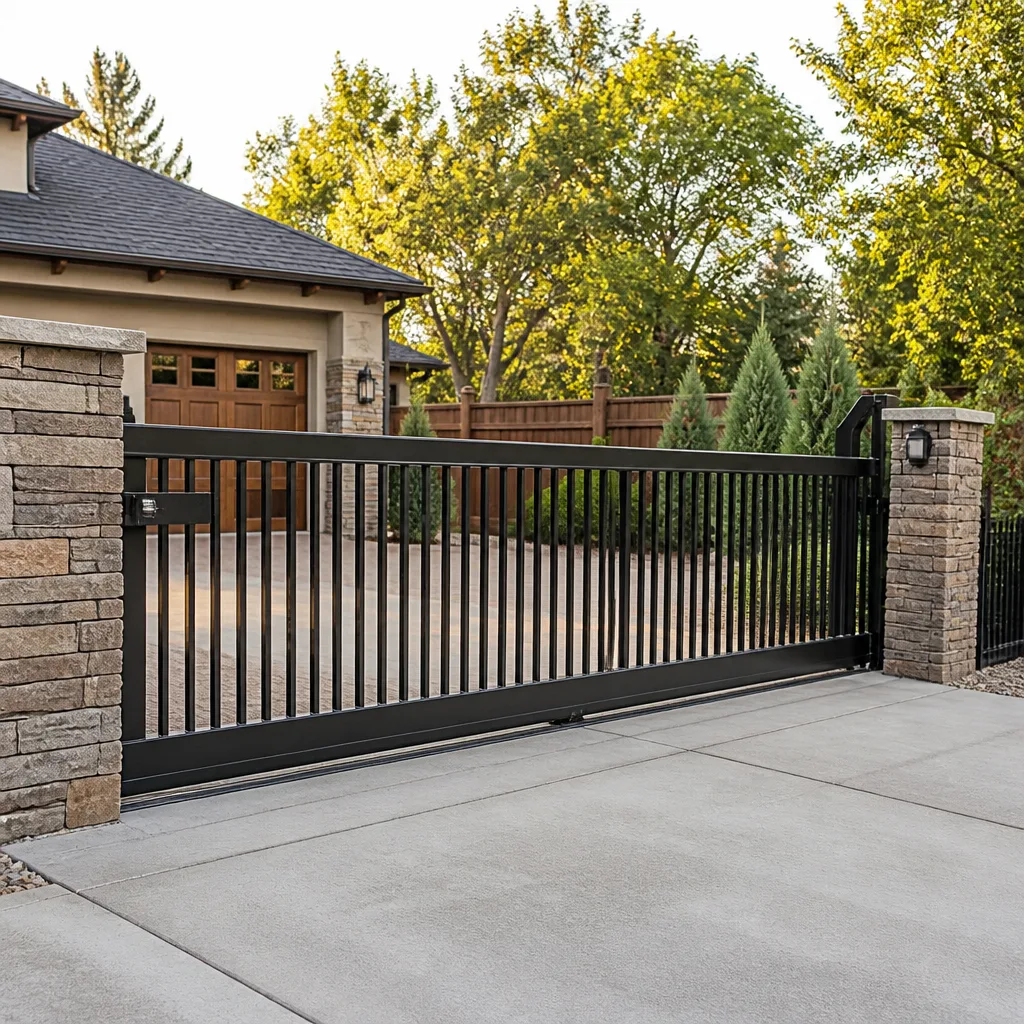
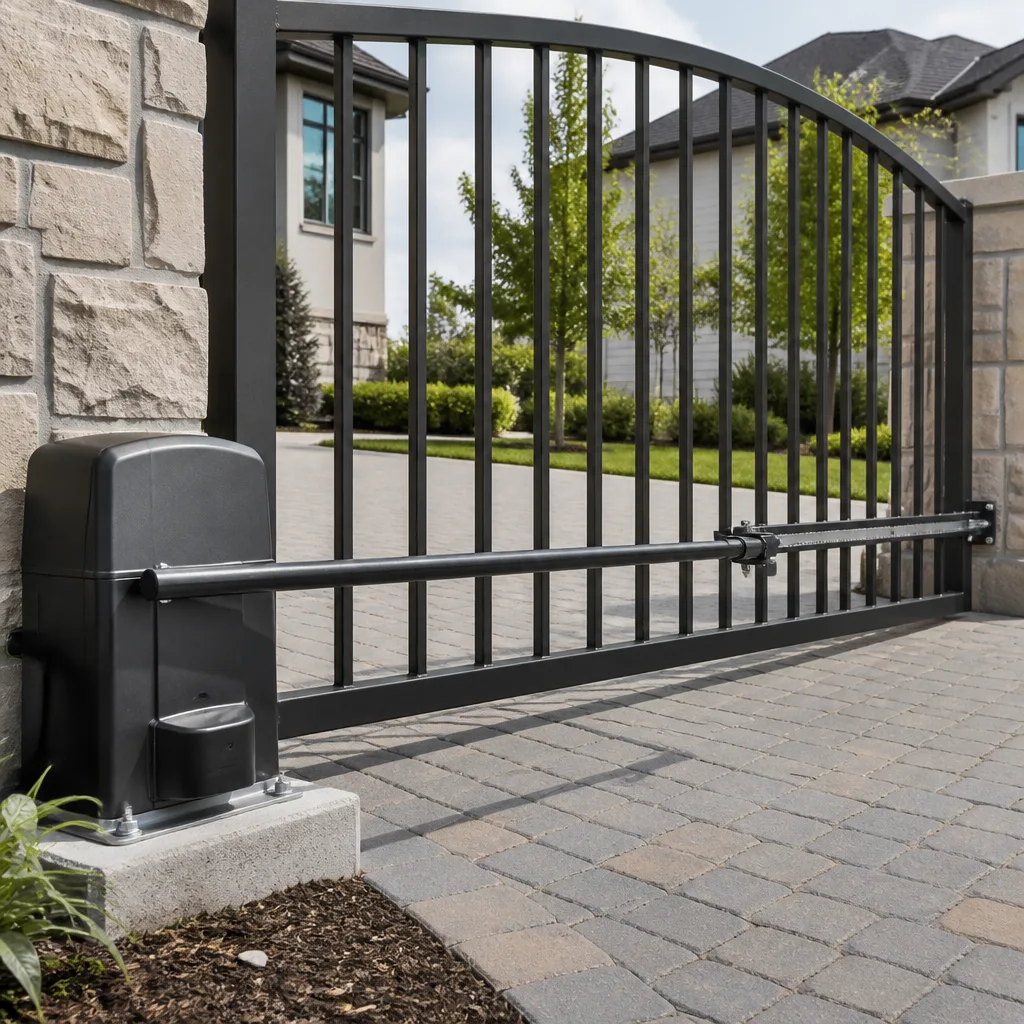
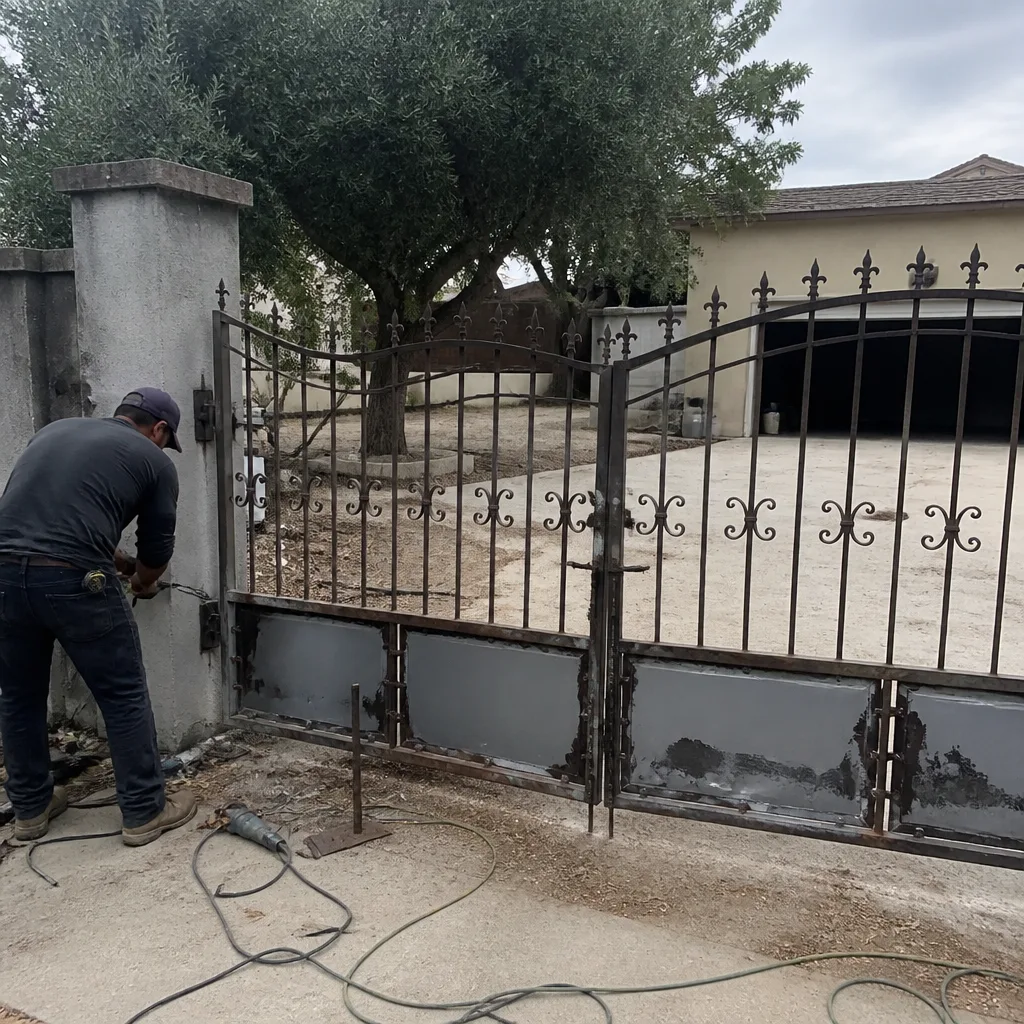 Before
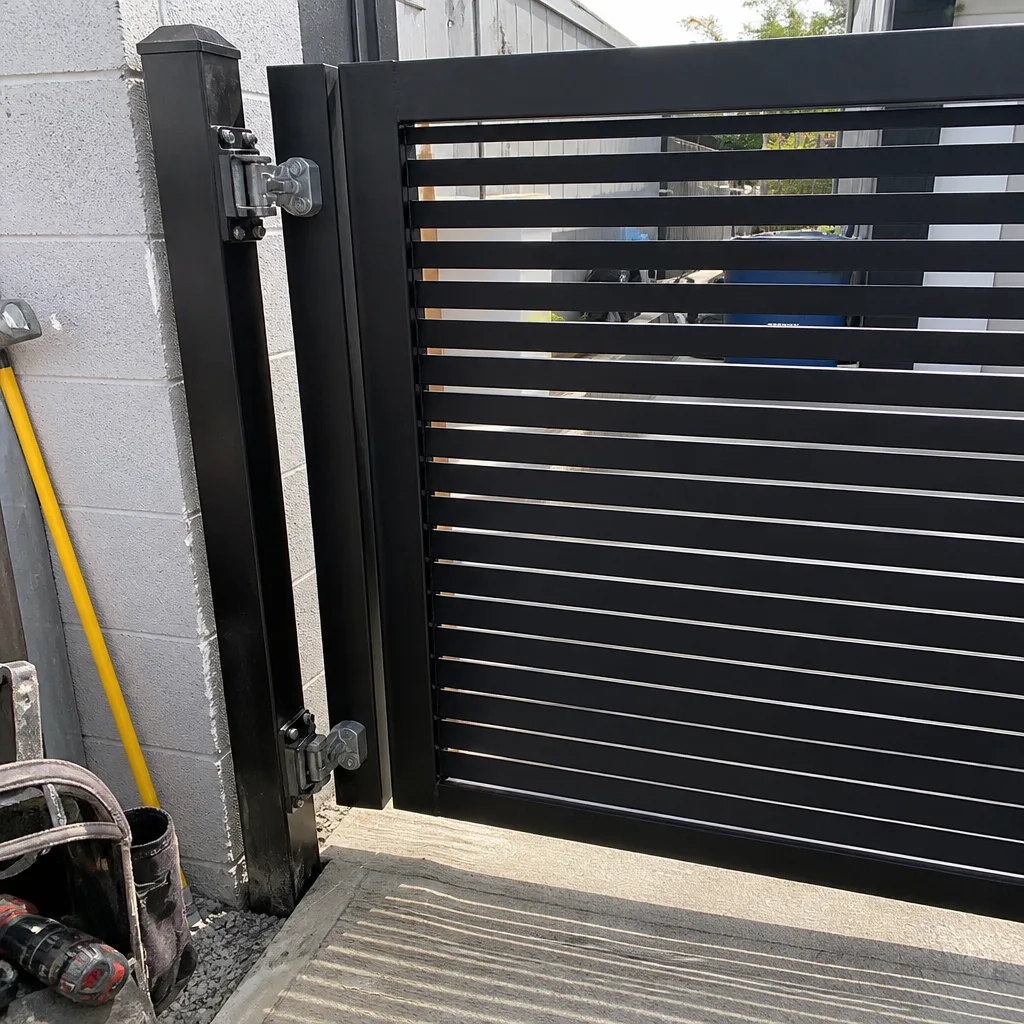 After
After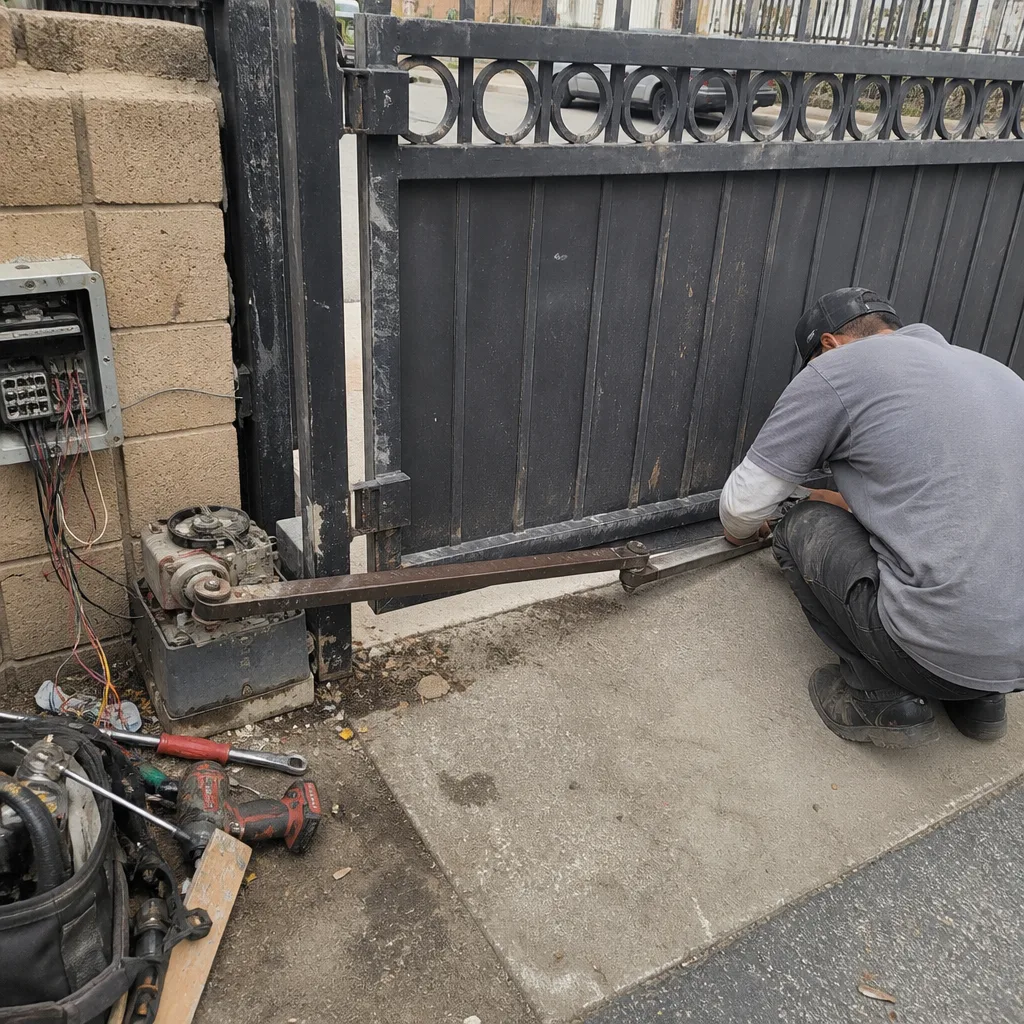 Before
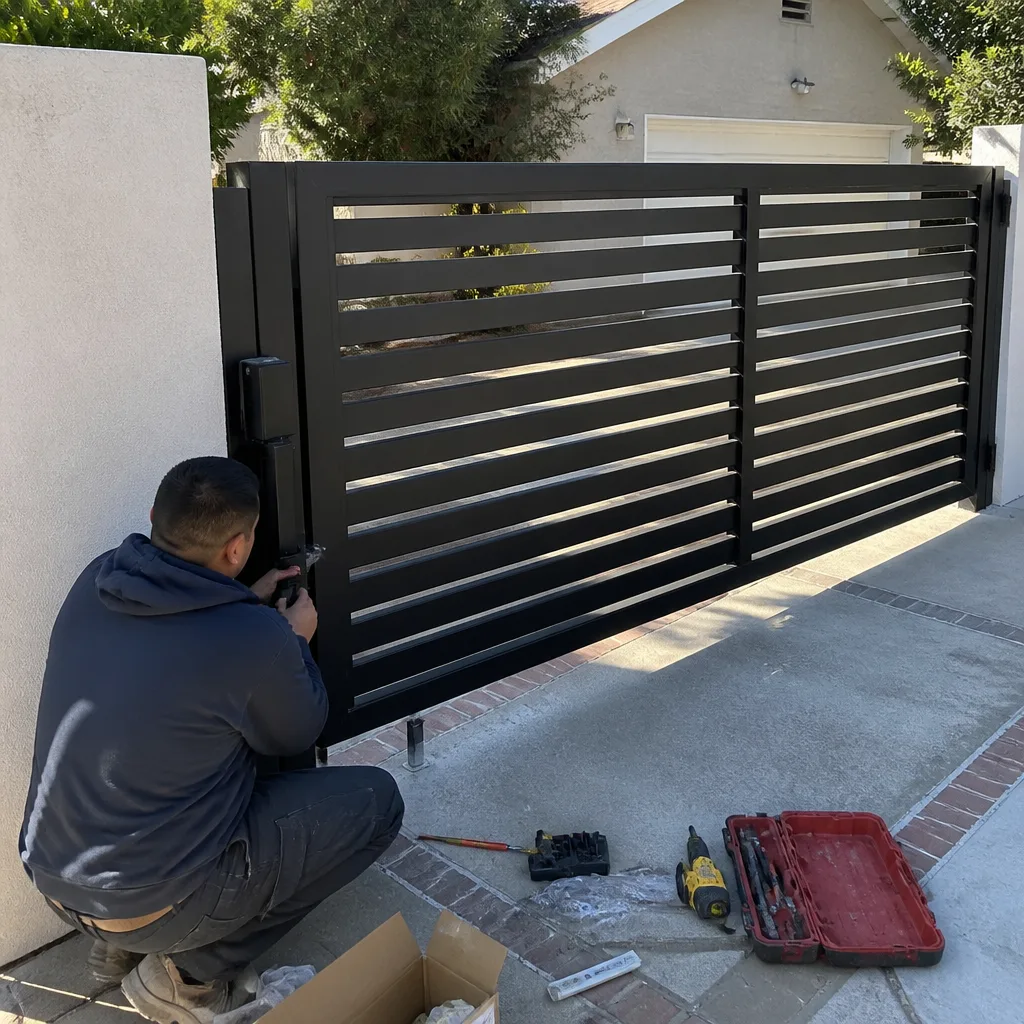 After
After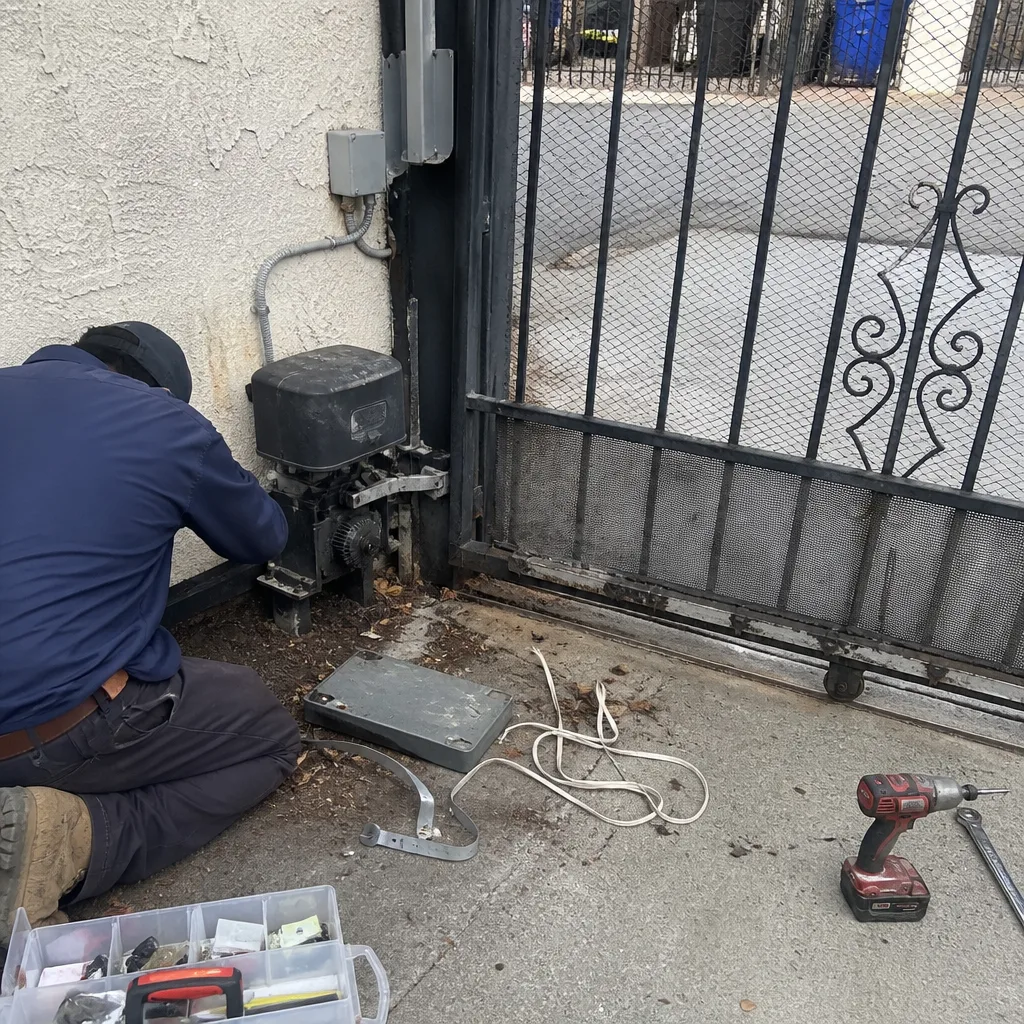 Before
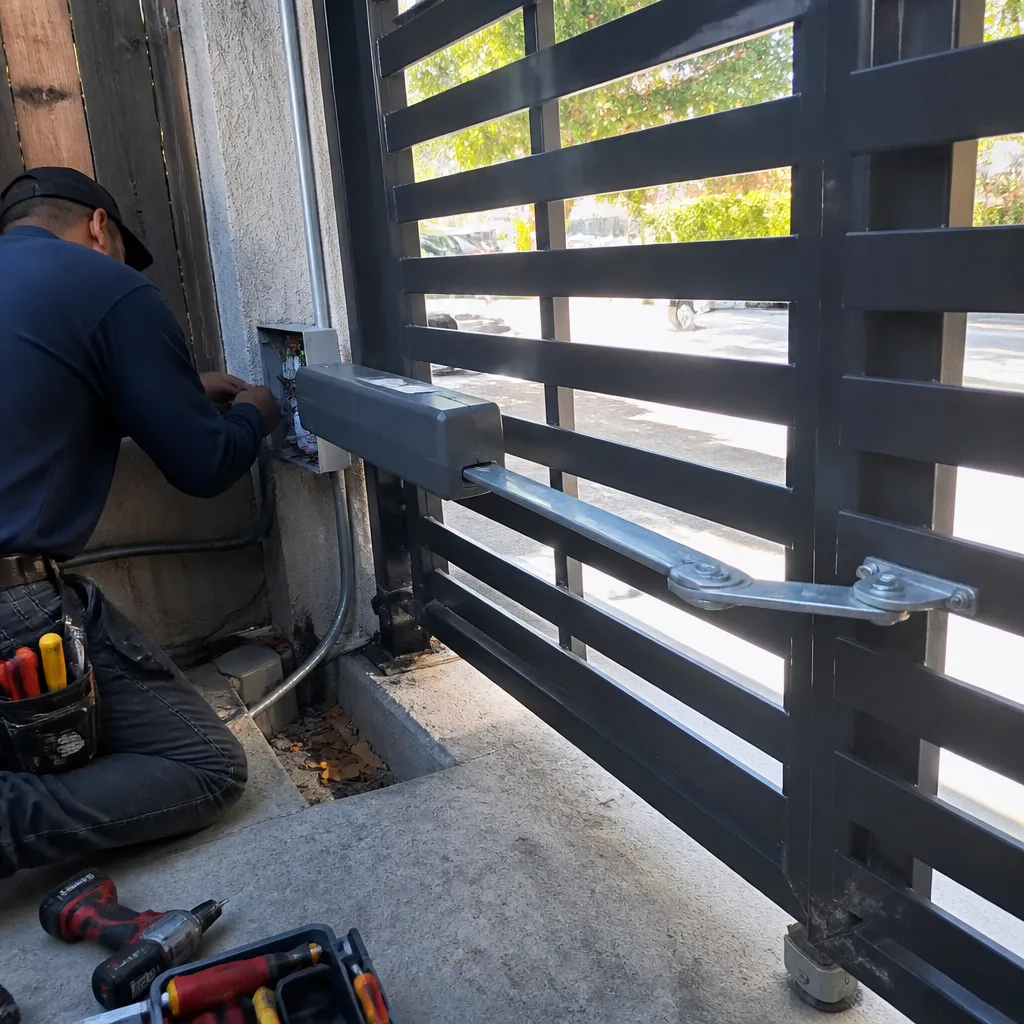 After
AfterElectric Gate Repair Warning Signs Every Homeowner Should Know
A gate that hesitates for two seconds before moving isn’t being slow, it’s telling you the motor is drawing 40% more current than it should. Ignore it long enough and a $180 board replacement becomes a $900 motor swap. In Los Angeles, where the sun bakes wiring insulation and Santa Ana winds pack dust into limit switches, electric gates fail in predictable ways. This guide maps every warning sign to its root cause, what it costs to fix now versus later, and which five signs demand a call today, not next month.
Quick Answer
The most common electric gate repair warning signs are hesitation before movement, grinding or clicking sounds, the gate drifting after stopping, unusual smells from the control box, and the opener running but the gate barely moving. If your gate hesitates, grinds, or drifts, call our Gate Repair services before the motor or control board fails completely. A $150 limit switch repair today prevents a $900 motor replacement in three months.
Table of Contents
- Hesitation Before the Gate Moves
- Grinding, Clicking, and Humming Sounds
- Gate Drift After Stopping
- Unusual Smells From the Control Box
- Visible Rust and Track Wear Patterns
- Warning Signs You Can Monitor vs. Signs That Need a Call Today
- The 5-Minute Monthly Self-Inspection Checklist
Hesitation Before the Gate Moves
This is the warning sign we see ignored most often in Los Angeles. You press the remote, and the gate waits one, two, or three seconds before responding. Most homeowners shrug it off because the gate still opens. That hesitation is the motor struggling against resistance: a failing capacitor, a worn gear, or a drive belt that’s losing tension. The motor draws more current to overcome that resistance, which generates heat, which degrades the insulation on the motor windings, which shortens motor life by months or years.
The cost trajectory is what matters here. A capacitor replacement runs $80 to $150. A worn gear or belt replacement runs $180 to $350. A full motor replacement, which is where this road ends if the hesitation continues for six to twelve months, runs $700 to $1,200 on most residential gates. The same story plays out with a Gate Opener Repair Maintenance Schedule: What to Do and When we handle weekly in Los Angeles: the homeowner called months earlier but decided the gate still worked, so it wasn’t a problem.
If the gate hesitates only when you use the keypad but responds instantly to the remote, the issue is the keypad’s radio card or wiring, not the motor. That’s a $75 to $125 fix. If it hesitates on every input, the motor or drive train is talking to you. Listen.
Grinding, Clicking, and Humming Sounds
Electric gates make sounds, but the healthy ones are consistent. A smooth whir is normal. A grinding sound means metal is touching metal where it shouldn’t be: a gear with worn teeth, a chain that’s lost lubrication, or a wheel bearing that’s given up. A clicking sound, especially a rapid series of clicks when you press the remote, usually points to the relay on the control board or a low battery in the opener’s backup system-see our Gate Opener Repair Troubleshooting: Common Problems and How to Fix Them for details. A humming sound with no gate movement means the motor is getting power but the drive mechanism isn’t engaging, which typically means a stripped gear or a broken chain.
Here’s the practical breakdown:
- Grinding: Worn gear or unlubricated chain. Fix now: $120 to $250. Wait: motor replacement at $700+.
- Rapid clicking: Control board relay or low battery. Fix: $90 to $180.
- Humming, no movement: Stripped gear or disengaged drive. Fix: $150 to $300 if caught early. If the motor burns out from spinning against resistance: $800+.
We’ve built our Electric Gate Repair in Los Angeles practice around catching these sounds early, because the repair is almost always simpler in week one than in month six. If you’re hearing a sound you didn’t hear last month, that’s the threshold. New sounds are never good sounds on a gate opener.
Gate Drift After Stopping
Drift is when the gate moves a few inches after it should have stopped: it creeps past the closed position, or it rolls back from the open position. This is a limit switch problem, and it’s one of the most underdiagnosed issues in residential gates. The limit switch, the small sensor that tells the gate when to stop, is losing its calibration or failing outright.
In Los Angeles, drift gets worse after Santa Ana winds because dust and fine debris work their way into the limit switch housing. The contacts get dirty, the readings get inconsistent, and the gate stops where it wants instead of where it’s told. Drift on a sliding gate also causes the gate to slam into the end stop at full force, which transfers shock through the entire frame and accelerates wear on every component.
A limit switch replacement or recalibration runs $100 to $200. If the drift is ignored and the gate repeatedly slams into its stops, you’re looking at bent track sections, cracked wheels, and eventually a damaged motor mount, none of which stays under $400. The 365-Day Done Right Promise applies here as it does everywhere: if we recalibrate a limit switch and the drift returns within a year, we come back at no charge.
Unusual Smells From the Control Box
Most gate warning signs are things you see or hear. Smell is the one people forget to pay attention to, and it’s often the earliest signal of an electrical problem. If you walk past the control box and catch a faint burning smell, like hot plastic or an overheated electronics smell, that’s insulation breaking down or a component running hotter than it was designed to run. It will not fix itself.
A fishy or acrid smell points to a failing capacitor or a scorched relay on the control board. A sweet, chemical smell can mean the transformer is overheating. Any of these means the board is under stress, and the failure mode is usually sudden: the gate works today and doesn’t work tomorrow.
The control board is the brain of the system. On brands like BFT and Viking, we replace boards regularly because Los Angeles heat accelerates component aging inside the control box, especially if the box sits in direct afternoon sun. A board replacement runs $180 to $400 depending on the brand and model. A board failure that takes out the motor with it, because the gate kept drawing power through a failing board, runs $900 to $1,400. If you smell something, the cheapest day to fix it is the day you first notice it.
Visible Rust and Track Wear Patterns
Rust is not cosmetic on a gate. It’s structural. In Los Angeles, we don’t deal with the heavy salted-road corrosion you see in cold climates, but we do deal with coastal moisture, morning fog, and irrigation overspray hitting the track and wheels. A rust pattern on the track, especially a line of rust exactly where the gate wheels sit when closed, means the gate is resting wrong. Water is pooling there, and the metal is slowly failing.
Track wear patterns tell the same story from a different angle. If you see shiny, polished spots on the track or flat spots developing on the gate wheels, the gate is not tracking straight. Something is out of alignment: a wheel, a bracket, a section of track, or the gate frame itself after years of settling. Gates that track wrong wear out every component faster, from the wheels to the motor, because the motor is working harder on every cycle.
The check takes 30 seconds: run your hand along the track and feel for pits, rough spots, or a visible groove developing. A track repair or wheel replacement runs $150 to $350 per section, and it’s far cheaper to replace one wheel than to replace a motor that burned out fighting a misaligned gate for a year. We see this pattern constantly in Gate Repair in Los Angeles work: the track was replaced after the motor failed, when replacing it before the motor failed would have saved $500 or more.
Warning Signs You Can Monitor vs. Signs That Need a Call Today
Not every gate symptom is an emergency. Some things you can watch for 30 days and note whether they’re getting worse. Other things need a technician on site immediately, because the failure mode is dangerous: a gate that falls, slams, or fails while someone is walking through it. Here’s the honest breakdown.
Safe to monitor for 30 days:
- A faint, new sound that’s been present for less than a week and hasn’t gotten louder.
- Occasional hesitation that happens less than once per day.
- Cosmetic surface rust on the gate frame where it doesn’t affect the track or hinges.
- A remote that works but has shorter range than it used to (this often just needs a battery).
Call today, not next month:
- Any burning or chemical smell from the control box. This is an active electrical fault, not a maintenance item.
- The gate drifts more than an inch after stopping. A limit switch is failing, and the gate is slamming into its stops on every cycle.
- The gate reverses or stops mid-cycle. Safety sensors are malfunctioning, and a gate that can’t detect obstacles is a safety hazard.
- Grinding that’s getting louder by the day. A mechanical failure in progress.
- The gate won’t close fully or won’t open fully. Whatever the root cause, an unsecured gate is a security problem and a safety problem at the same time.
One thing we tell every Los Angeles homeowner: if the gate moves in a way that could hurt someone, that’s not a repair queue item. That’s a today item. Calder Gate Repair answers calls with a live person 24/7, so you’re never leaving a voicemail and hoping someone gets back to you.
The 5-Minute Monthly Self-Inspection Checklist
You don’t need tools for this. You need five minutes and the willingness to actually pay attention. Run through this list once a month and you’ll catch most gate failures weeks before they become emergencies, and check our more guides & resources for deeper maintenance help. This is the same checklist our technicians walk through when they arrive on site, minus the multimeter.
- Open and close the gate one full cycle. Listen. Note any sound that wasn’t there last month. Grinding, clicking, squeaking, humming with no movement: all of these are early warning signs covered above.
- Watch the gate stop. Does it stop exactly where it’s supposed to? Or does it drift a few inches after stopping? Drift means a limit switch is losing calibration.
- Check the control box. Open the cover and look for dust buildup, spider webs, or signs of scorching on the board. In Los Angeles, dust intrusion after Santa Ana winds is the number one cause of intermittent limit switch failures. A can of compressed air costs $8 and clears most of it.
- Run your hand along the track. You’re feeling for pits, rough spots, or debris. You’re also checking that the gate wheels aren’t leaving flat spots or shiny polished lines that indicate misalignment.
- Test the safety sensors. Wave your foot in front of the photo eye while the gate is closing. The gate should stop and reverse. If it doesn’t, that’s a call-today item.
On brands like Linear and Ghost Controls, the safety sensor system is sensitive and the alignment drifts over time. A quick monthly test catches misalignment before it becomes a safety issue. The entire checklist takes five minutes and costs nothing, but it prevents the majority of surprise gate failures we see in Los Angeles.
Common Mistakes to Avoid
- Ignoring a sound because the gate still works. This is the most expensive mistake in gate repair. The gate working today doesn’t mean the component isn’t failing. A grinding gear is a $150 repair today and a $900 motor in three months.
- Lubricating the track with WD-40. WD-40 is a solvent, not a lubricant, and it attracts dust. In Los Angeles, that dust becomes a paste that wears out wheels and track faster. Use a dry silicone spray or a proper gate lubricant, not whatever’s in the garage.
- Buying a generic capacitor online and swapping it without testing. A capacitor that’s the wrong microfarad rating will destroy a motor faster than the failing one it replaced. The $40 you save becomes a $900 motor replacement.
- Waiting for the gate to “actually break.” By the time an electric gate stops moving entirely, multiple components have typically failed. The cascade effect is real: a bad limit switch leads to a slamming gate, which damages the track, which strains the motor, which burns out the board.
- Ignoring rust because it’s “just cosmetic.” On a track or wheel, rust is a structural failure in slow motion. Every cycle grinds away a little more metal, and the motor works harder every time.
- Skipping the safety sensor test. In Los Angeles, where gates often enclose pools, yards, and play areas, a malfunctioning safety sensor is a liability. The test takes ten seconds and should be part of every monthly inspection.
When to Call a Professional
Call when you smell something, when the gate drifts, when the grinding is getting louder, when the safety sensors fail the monthly test, or when the gate hesitates on every cycle regardless of input method. These are not maintenance items. They’re failures in progress, and every week you wait adds to the repair bill. If you’re not sure whether what you’re seeing is serious, call and describe it: a live person answers 24/7 and can tell you whether it’s a monitor-it situation or a send-someone-today situation. Calder Gate Repair offers free estimates for electric gate repair in Los Angeles. Call (903) 417-0793 and you’ll get a written price before any work starts, with technician arrival times you can track live on your phone.
Frequently Asked Questions
Most electric gate repairs in Los Angeles run between $100 and $350 before parts, depending on whether it’s a limit switch recalibration, a capacitor, a board repair, or a mechanical fix. Full motor replacements run $700 to $1,200. Calder Gate Repair provides a written price before any work begins, so the number you approve is the number you pay. Call (903) 417-0793 for a free estimate.
Hesitation means the motor is drawing more current than it should to overcome resistance, which points to a failing capacitor, a worn gear, or a slipping drive belt. The fix costs $80 to $350 if addressed early. If ignored for six to twelve months, the motor burns out and replacement runs $700 to $1,200.
Calder Gate Repair answers calls with a live person 24/7, and same-day service is available for urgent electric gate repair in Los Angeles. Every technician arrives in uniform with a live, trackable arrival time, not a four-hour window. Call (903) 417-0793 and describe the issue, and we’ll tell you when we can be there.
The 365-Day Done Right Promise covers every gate repair Calder Gate Repair performs: if the repair fails within 365 days, we return and make it right at no charge, including a free second visit. The guarantee is stated in writing on every job, so there’s no fine print to worry about. It’s part of the Relay Visibility Guarantee that governs every job we do.
Yes, and it’s one of the most underappreciated factors in local gate repair. Direct afternoon sun on a control box accelerates component aging, and UV exposure breaks down wiring insulation over time. This is why control boards on brands like BFT and Viking fail more often in Los Angeles than in cooler climates, and why Calder Gate Repair recommends keeping the control box shaded where possible.
A warning sign you can watch for 30 days is something faint and stable: a new sound that isn’t getting louder, occasional hesitation, cosmetic rust. A call-today sign is anything dangerous or actively failing: burning smells, gate drift, grinding that worsens daily, safety sensor failure, or a gate that stops or reverses mid-cycle. These need a trained professional, and Calder Gate Repair is available 24/7 at (903) 417-0793.
The Bottom Line
Your electric gate tells you it’s failing weeks before it stops working. The hesitation, the grinding, the drift, the smell, the rust: these are not quirks, they’re data. The homeowner who acts on the first sign pays $150. The homeowner who waits for the gate to actually break pays $900. In Los Angeles, where sun, dust, and coastal air accelerate every failure mode, a five-minute monthly inspection is the cheapest insurance you can buy. When a sign appears, don’t wait. Calder Gate Repair answers live 24/7, shows up on time with a tracked arrival, and puts the price in writing before anything starts. That’s how Calder Gate Repair home has handled gate repair since 2009, and it’s how we’ll handle yours.
Written by Nico Alvarez, Owner at Calder Gate Repair, serving Los Angeles since 2009.