
Last updated October 9, 2026
Free on-site gate assessment - hinges, posts, and your LiftMaster or Nice gate operator checked before anything is quoted
The assessment is free and the quote is the invoice.
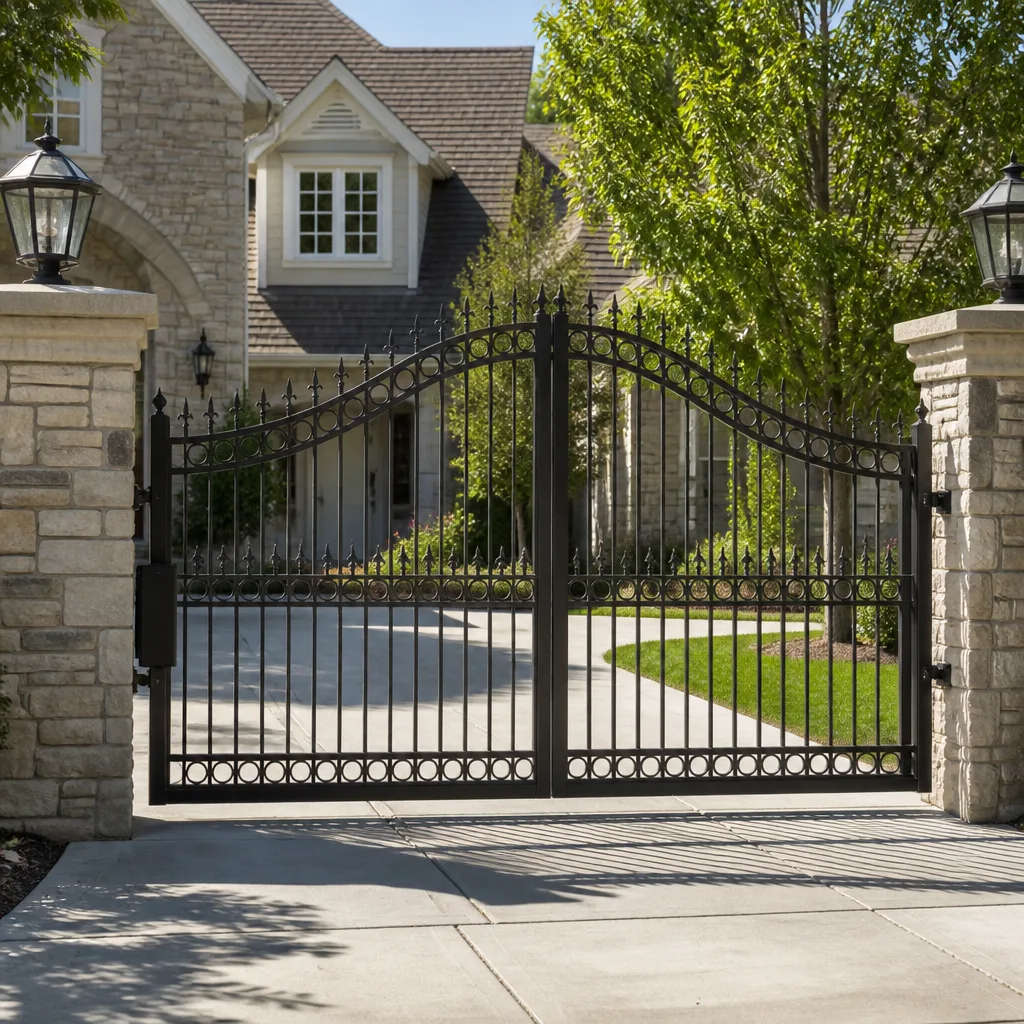
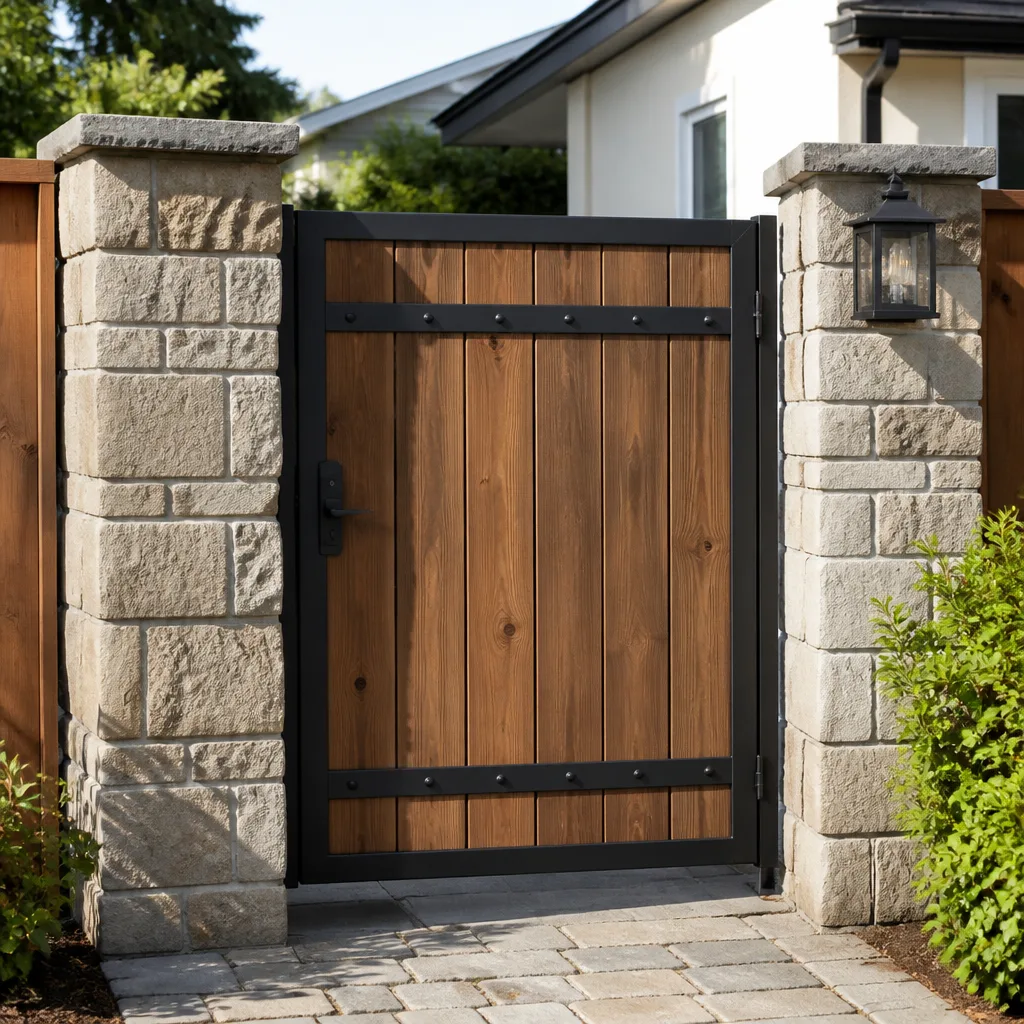
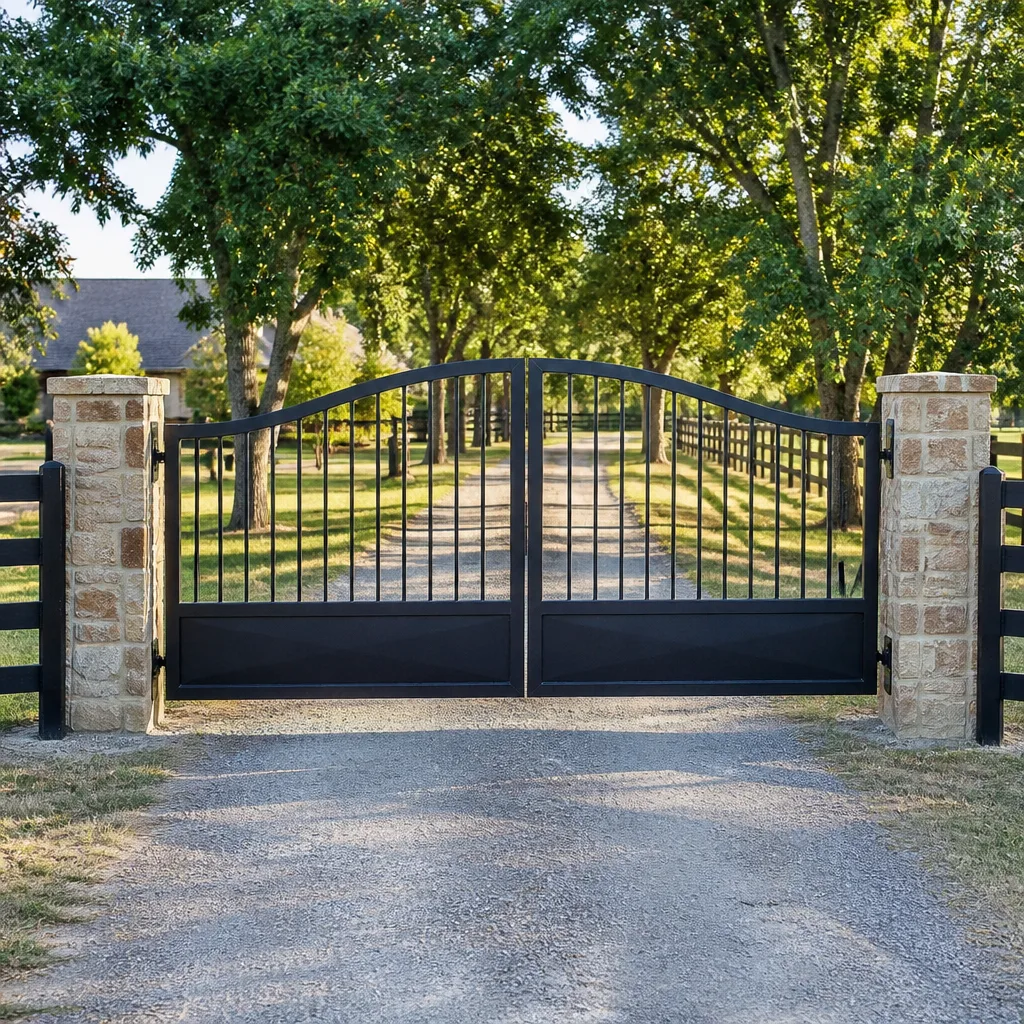
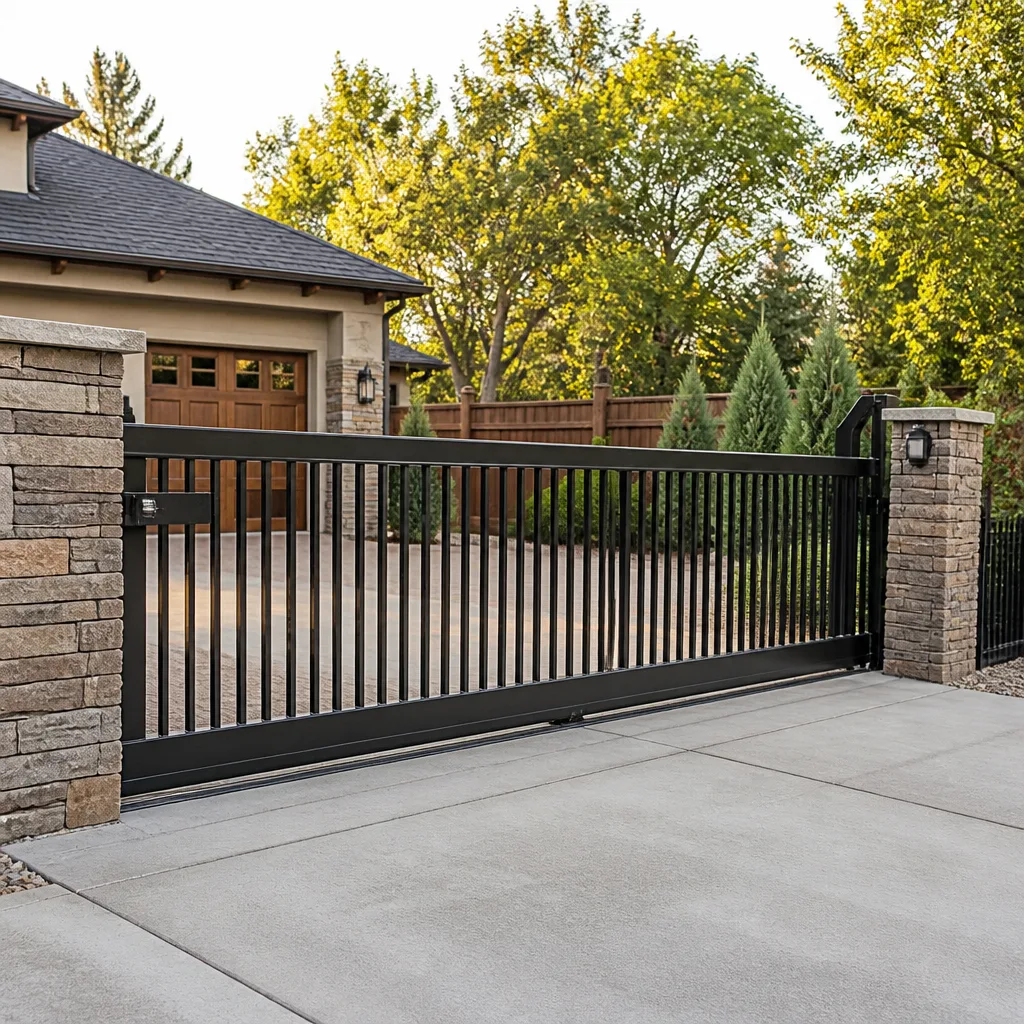
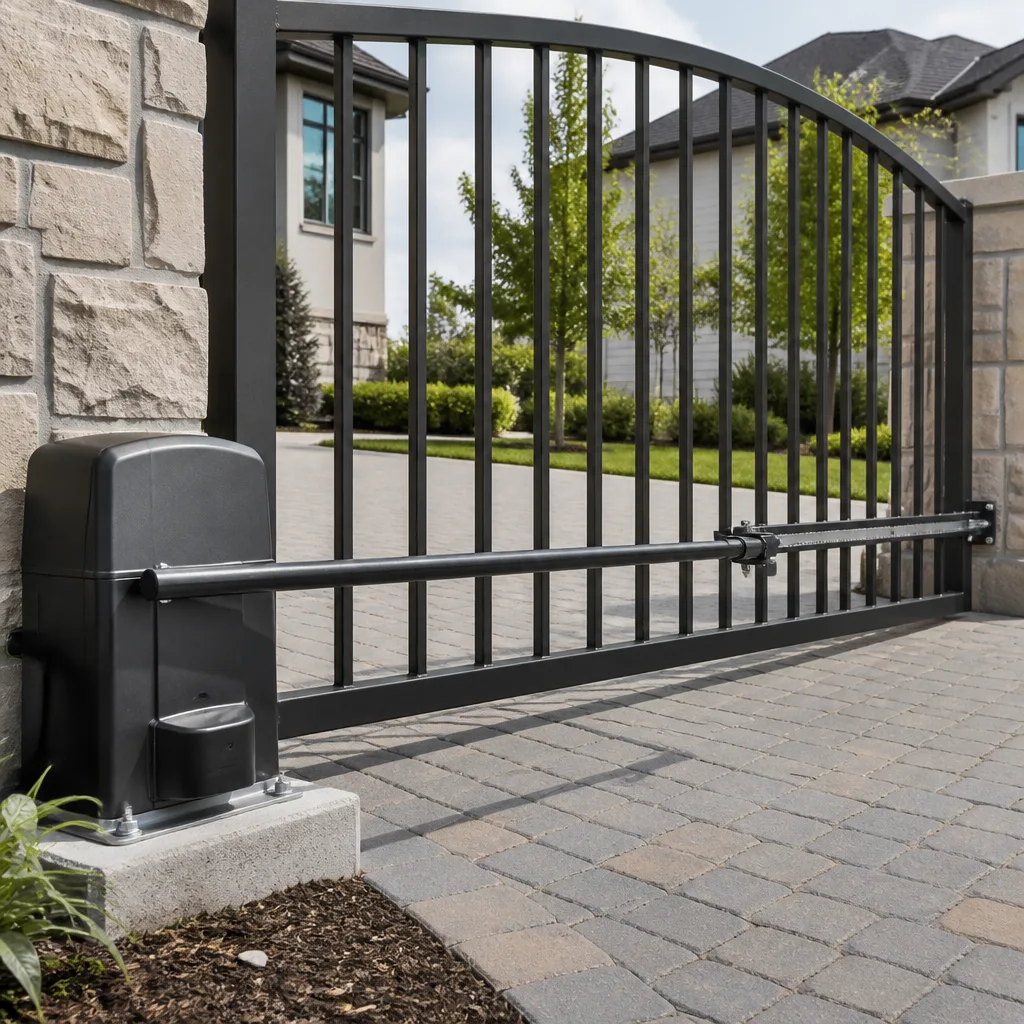
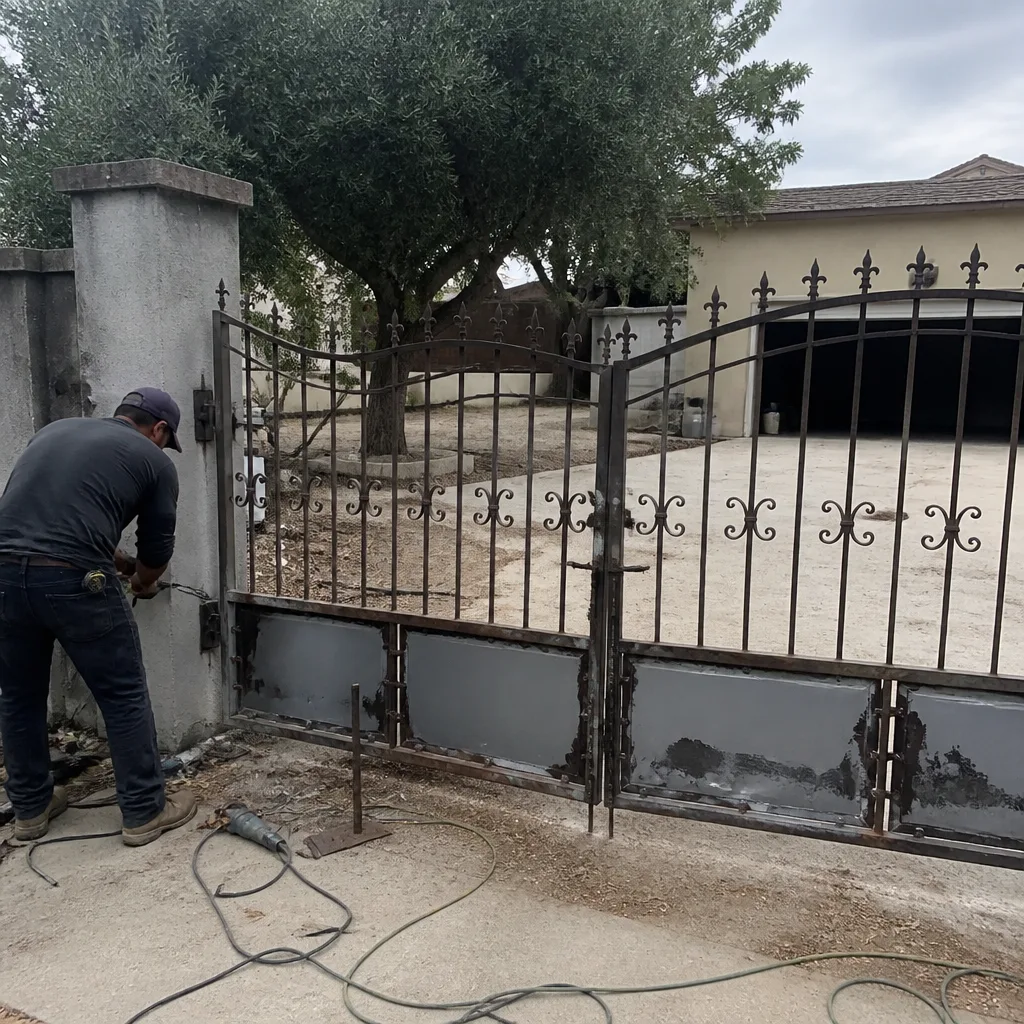 Before
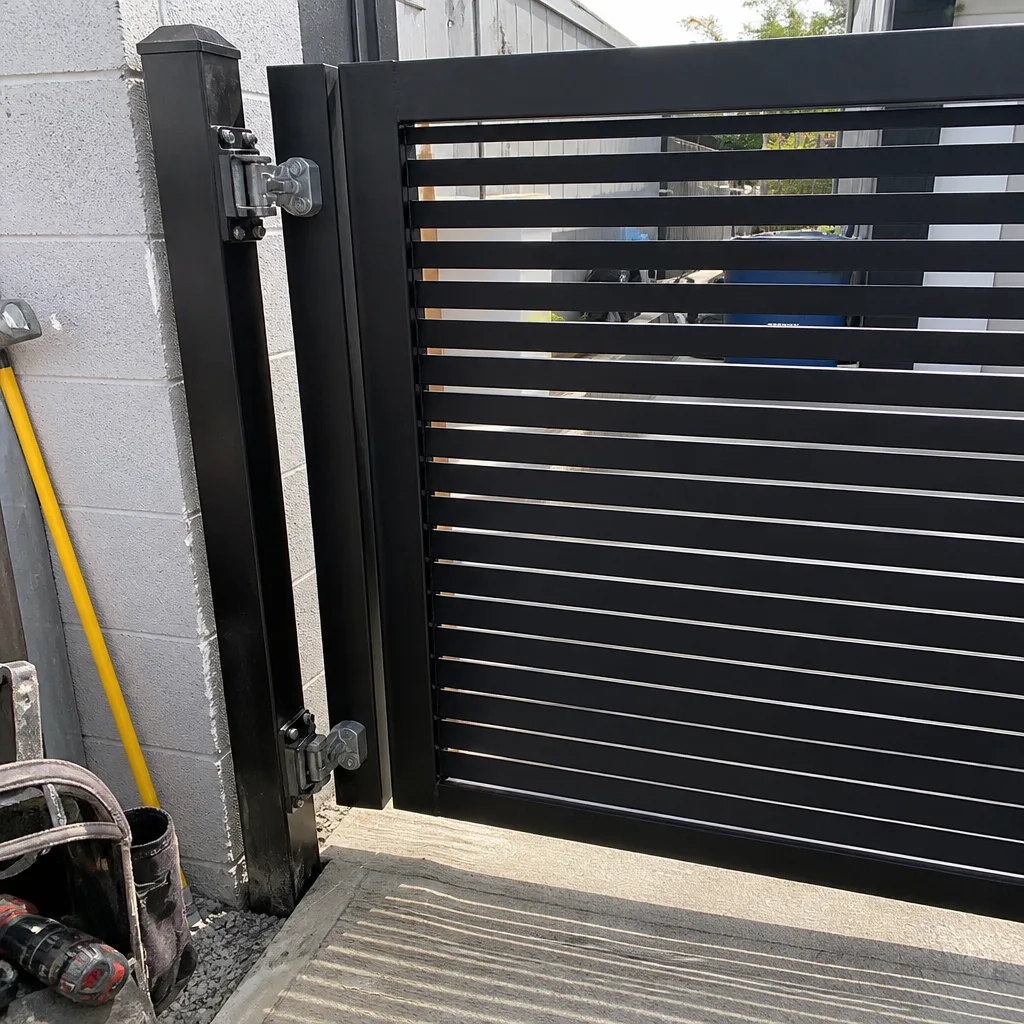 After
After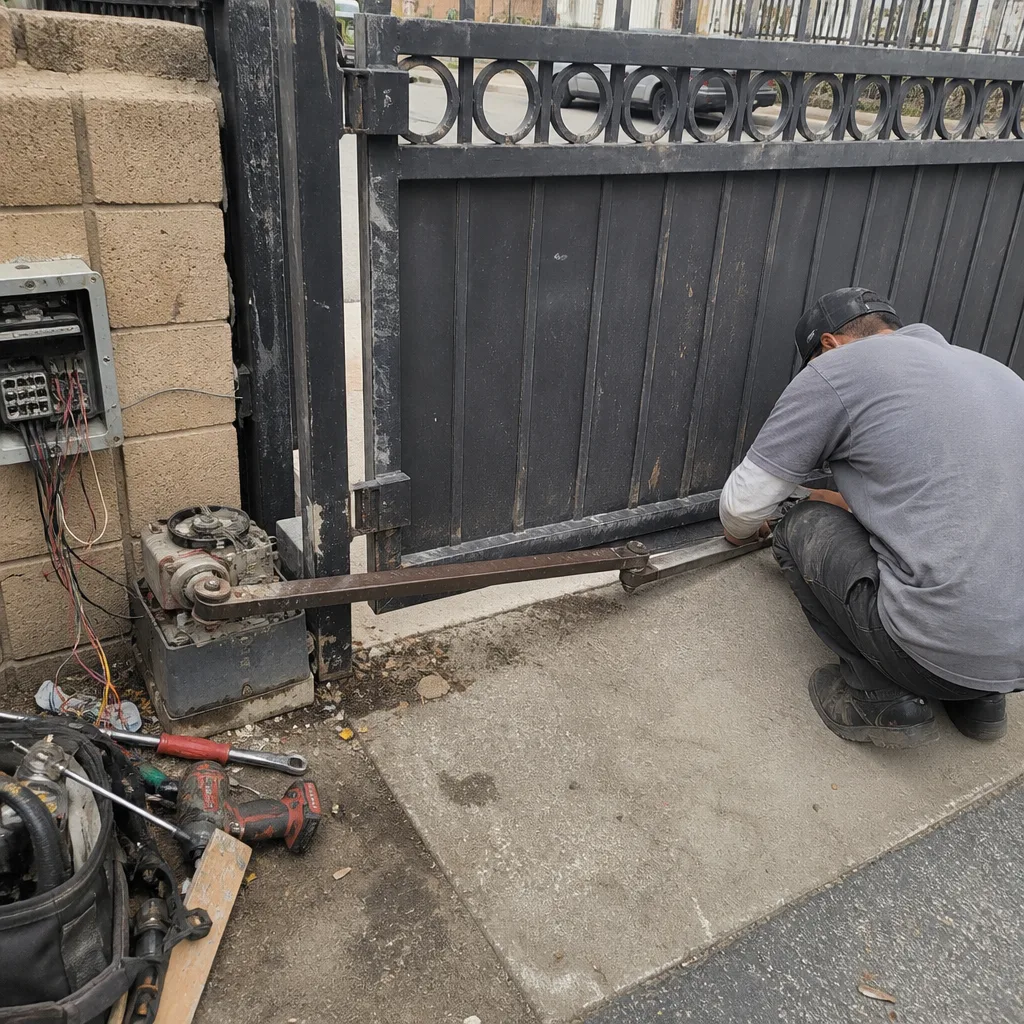 Before
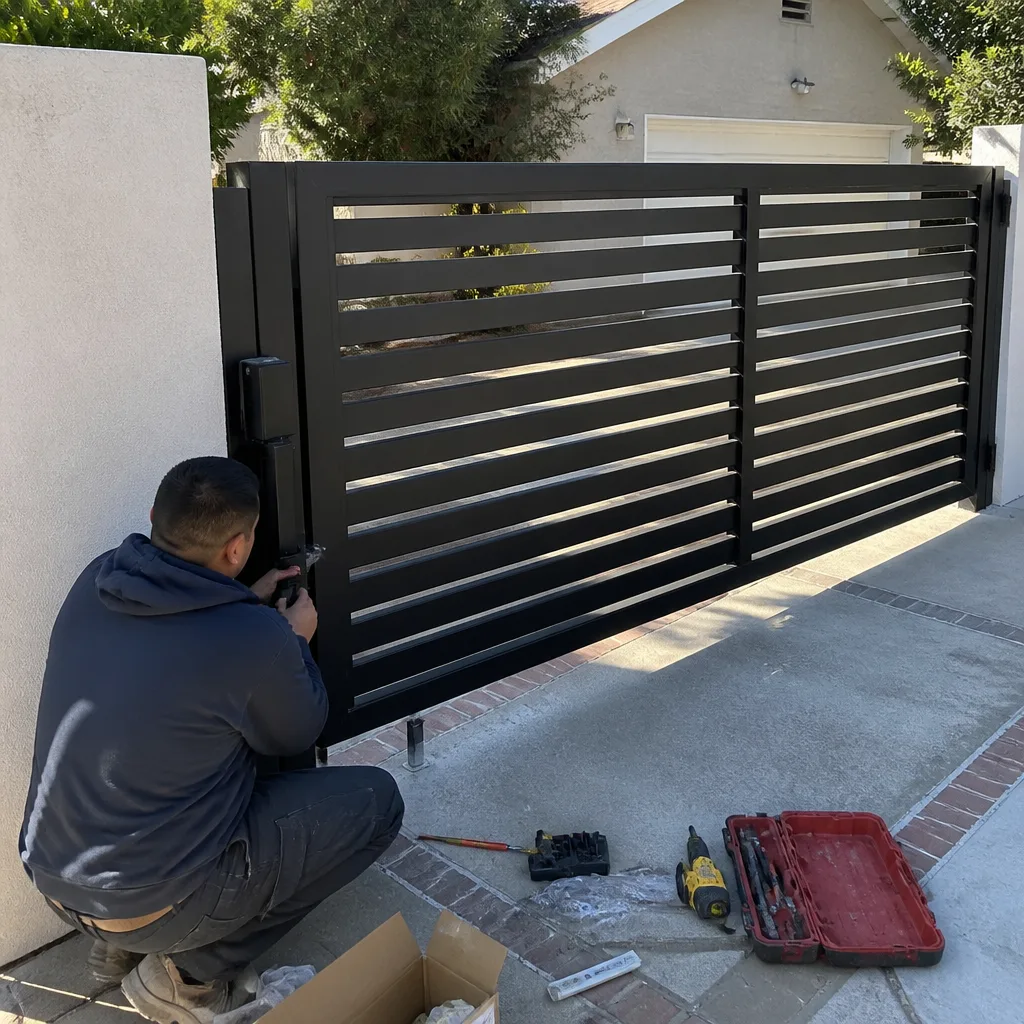 After
After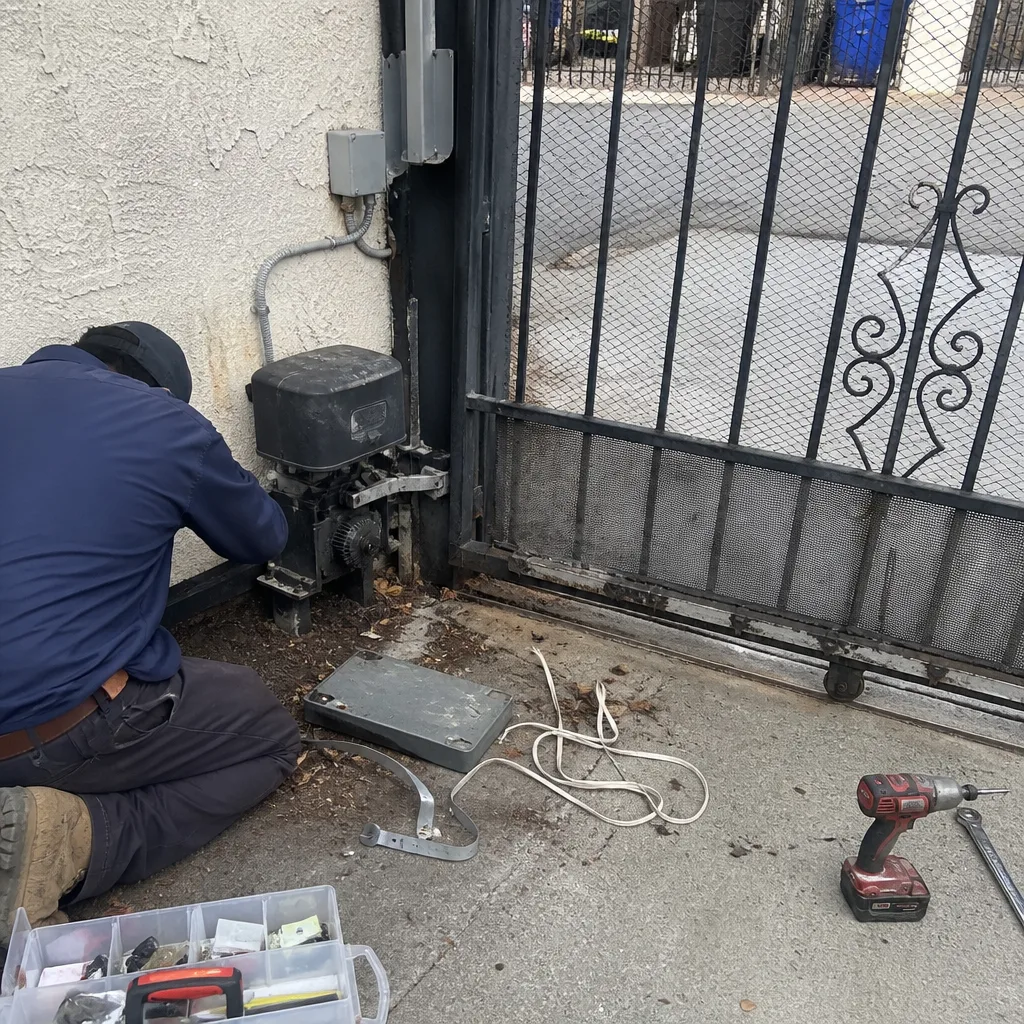 Before
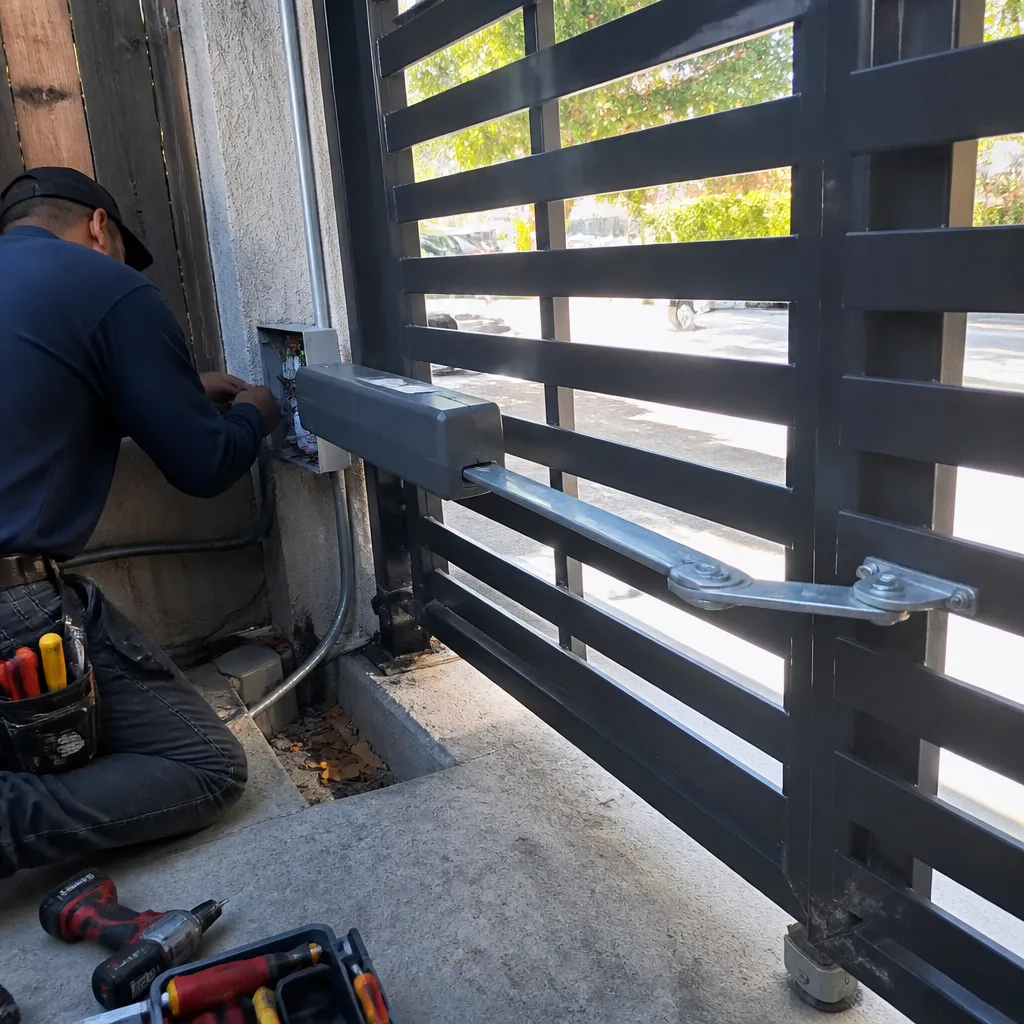 After
AfterGate Repair Maintenance Checklist for Los Angeles Homeowners
Here’s a counterintuitive fact we’ve learned from more than fifteen years of repairing gates across Los Angeles: the number-one maintenance mistake we see isn’t skipping lubrication. It’s lubricating with the wrong product in high-heat zip codes. In the San Fernando Valley, where summer temps routinely cross 100°F, the white lithium grease your neighbor recommended actually breaks down into a gummy paste that collects dust and binds the drive mechanism faster than if you’d done nothing at all. This guide is a task-by-task checklist built around the real environmental stressors in Los Angeles: heat, aridity, Santa Ana winds, and that one month of rain that undoes nine months of neglect. You’ll learn what to do monthly, what to do seasonally, and, most importantly, when to put down the wrench and call our Gate Repair services.
Quick Answer
A Los Angeles gate maintenance checklist should be organized by season, not by generic monthly reminders. At minimum, inspect hinges and tracks quarterly, test the auto-reverse safety sensor every month, lubricate only the chain and hinges with a silicone-based lubricant that survives heat without gumming, and schedule a professional inspection every 18 to 24 months. Most importantly, never use white lithium grease on a gate opener’s drive components in high-heat Los Angeles neighborhoods; use a dry silicone or PTFE-based spray instead.
Table of Contents
- Why Los Angeles is Different: The Climate Factor
- The Lubricant Guide for Los Angeles Heat
- The Monthly Checklist: 15 Minutes That Prevent 95% of Failures
- The Quarterly Checklist: Los Angeles Seasonal Shifts
- How to Test Your Gate’s Auto-Reverse Safety Sensor at Home
- Checking Stucco and Masonry Posts for Hidden Anchor Bolt Corrosion
- When a ‘Maintenance Visit’ is Actually a Warranty Requirement
- Los Angeles Maintenance Task Grid: Monthly, Quarterly, Annual
Why Los Angeles is Different: The Climate Factor
Before we get into the checklist itself, you need to understand why generic gate maintenance advice fails in Los Angeles. Most online checklists are written for places with real winters. They tell you to worry about ice, snow, and freeze-thaw cycles. Your gate in Echo Park, Sherman Oaks, or Pasadena doesn’t care about any of that. What it cares about is dry air, UV exposure, and heat that stays above 90°F for weeks at a stretch.
Here’s what that means in practical terms. The dry air in Los Angeles means less rust, which is good news, but it also means rubber seals and plastic components dry out and crack faster than they do in humid climates. UV exposure from our reliably sunny skies degrades powder coating on steel gates and fades the plastic housings on gate openers. And sustained high heat doesn’t just make metal expand; it softens certain lubricants and accelerates the failure of capacitors inside opener control boards, particularly the models installed in direct afternoon sun on west-facing gates.
Santa Ana winds are another Los Angeles-specific variable. Those 40 to 60 mph gusts push gates with large surface areas and add strain to hinges, opener arms, and the gate’s anchor points. We’ve seen gates in the Hollywood Hills that were perfectly aligned in June get knocked out of alignment by a single strong Santa Ana event in October. Your maintenance routine needs to account for that seasonal wind load.
And then there’s the rain. Los Angeles averages only 14 inches per year, but almost all of it falls between November and March. That means nine months of dust and grit accumulating on your gate’s track and hinges, followed by a rainy season that turns all of it into an abrasive slurry. If you haven’t cleaned your track by mid-October, you’re effectively sanding down your gate’s rollers every time it opens during the winter months.
The Lubricant Guide for Los Angeles Heat
Let’s get specific about lubricants, because this is where most Los Angeles homeowners go wrong. The conventional advice you’ll find on generic gate maintenance sites is to use white lithium grease. In a mild climate, that’s defensible. In a Woodland Hills summer where ambient temperatures hit 105°F and your metal gate itself can reach 130°F or higher, white lithium grease is a liability. It breaks down under sustained heat, attracts dust, and turns into a thick, sticky residue that clogs the gate opener’s internal drive mechanism. We’ve had jobs that started as a “gate won’t open” call and turned out to be nothing more than congealed grease on the drive gear.
So what should you use in Los Angeles? Two things.
- Dry silicone spray for tracks, rollers, and the gate opener’s drive rail or chain. It goes on wet, dries to a thin film, and doesn’t attract dust. It’s stable up to temperatures well beyond what any Los Angeles gate will ever experience. Use it every three months on the track and drive components.
- PTFE-based spray (Teflon) for hinges and pivot points. It provides lubrication without the sticky residue of petroleum-based grease. Apply it to hinge pins and any metal-to-metal pivot point where you see movement.
What about WD-40? It’s a water displacer, not a lubricant. It’ll quiet a squeaky hinge for a week, and then it evaporates, leaving the hinge drier than before. It’s fine for cleaning grime off a track, but you need to follow it with a proper silicone or PTFE lubricant. Do not use WD-40 as your only maintenance product.
One more Los Angeles-specific note: if you live in a coastal neighborhood like Playa del Rey or San Pedro, salt air is a factor that inland LA doesn’t have to think about. For coastal gates, you should use the same lubricants, but apply them every two months rather than every three, and add a light film of marine-grade corrosion protectant to exposed metal bolts and brackets once a year.
If you’re reading this and you’ve already used white lithium grease on your gate in Los Angeles, don’t panic. The fix is straightforward: wipe off what you can with a clean rag, then apply a degreaser to remove the remaining residue, and re-lubricate with the right product. If the gate opener’s internal mechanism is gummed up, that’s a professional disassembly job, not a spray-and-pray situation.
If you need a hand with this, our Gate Opener Repair in Los Angeles service covers lubrication-related failures, and we’ll show you what to use going forward.
The Monthly Checklist: 15 Minutes That Prevent 95% of Failures
This is the list that most Los Angeles homeowners skip, and it’s the one that would prevent most of the repair calls we run. It takes about 15 minutes. Set a recurring reminder on your phone for the first Saturday of every month. Here’s the list, in order of importance:
- Test the auto-reverse safety sensor. Place a cardboard box or a rolled-up yoga mat in the gate’s path and close the gate. It should reverse direction immediately on contact. If it doesn’t, stop using the gate and call a professional. This is a safety feature that protects children, pets, and delivery drivers. It’s non-negotiable.
- Look at the track and remove debris. Los Angeles isn’t just dust; it’s leaves from jacarandas, bougainvillea petals, palm fronds, and the occasional plastic bag from a Santa Ana wind event. Anything in the track becomes an obstruction that strains the opener motor and wears out the rollers.
- Listen while the gate moves. A gate that sounds different is a gate that’s about to fail. Grinding means something’s in the track or the rollers are worn. A high-pitched squeal means a metal-on-metal contact point needs lubrication. A rhythmic thumping usually means the gate is out of alignment. Note any change and investigate.
- Check that the gate opens fully and closes fully. A gate that stops short of fully closed is a security problem. A gate that doesn’t open fully is a driveway access problem. Both often indicate a limit switch issue, which is the small sensor that tells the gate when to stop at the correct position.
- Inspect the keypad and remote. Wipe down the keypad to prevent grime from working into the buttons. Test both remote controls. If one is intermittent, replace the battery now rather than waiting until you’re stuck outside the gate at 11 p.m.
That’s it. Five items. Fifteen minutes. If you do this monthly, you’ll catch most issues before they become emergency repairs. We can’t stress enough how many of our emergency calls in Los Angeles could have been avoided with this monthly check. A gate that’s been grinding for six weeks doesn’t fail quietly; it broadcasts the failure for a month and a half before it actually breaks.
The Quarterly Checklist: Los Angeles Seasonal Shifts
Your quarterly maintenance should follow the actual seasons of Los Angeles, which don’t match what the rest of the country experiences. Our seasonal markers are: October (Santa Ana winds ramp up, rainy season approaching), January (peak rainy season), April (rainy season ending, heat building), and July (peak heat). Schedule your quarterly checks around those months.
October (Pre-Rain and Wind Season)
- Clean the gate’s track thoroughly with a degreaser or mild soap and water, then re-lubricate with silicone spray. You want a clean track before the rain starts turning accumulated dust into grinding paste.
- Check all hinges and pivot points for wear. Tighten bolts that have loosened after a summer of heat expansion. In our experience, October is when we see the most loose hinge bolts across Los Angeles. The heat cycle of summer does the damage; the first Santa Ana wind of fall exposes it.
- Inspect the gate opener’s drive chain or belt for tension. A loose chain is noisy and accelerates sprocket wear. A loose belt slips under load. Both are adjustable, but belt tension is brand-specific and often best left to a professional if you’re not sure.
January (Mid-Rain Season)
- Check for standing water or mud accumulation around the gate’s base and track. If your gate sits in a low spot that collects water during Los Angeles rain storms, add drainage or at minimum clear the track after each storm. Standing water is the enemy of gate opener electronics.
- Test the auto-reverse sensor again, specifically because wet conditions can cause intermittent sensor behavior. A sensor that works fine in dry weather can malfunction when water gets into its housing.
- Look for rust on any exposed steel. Los Angeles rain isn’t frequent, but it’s enough to start surface rust on unprotected metal, especially on gates in coastal neighborhoods where salt air is already a factor.
April (Post-Rain, Pre-Heat)
- Wash the entire gate with a mild detergent to remove the winter’s accumulated grime. This isn’t just cosmetic; dirt and mineral deposits from rain accelerate paint and powder coating degradation.
- Lubricate hinges and the track with silicone or PTFE spray. You’re now entering the hot, dry season, so this application needs to last through the summer. Apply it correctly now and you’ll be fine until October.
- Check the gate opener’s housing for cracks or gaps that could allow dust and insects to enter during the dry season. Dust is a Los Angeles constant, and it’s the silent killer of circuit boards.
July (Peak Heat)
- Check that the gate opener’s housing has adequate ventilation. If the housing is in direct afternoon sun on a west-facing gate, consider installing a shade panel. Optimum heat inside an enclosed housing can exceed 140°F in a Los Angeles summer, and control board capacitors fail faster at those temperatures.
- Inspect the gate’s alignment. Heat expansion can warp a metal gate slightly, and that warping shows up most at peak summer temperatures. If you notice the gate binding at a specific point in its travel, note it and have it adjusted before it causes roller damage.
- Re-check the auto-reverse sensor. Heat expands the sensor housing, and that can shift its alignment just enough to cause false triggers or missed detections. This is a problem we see most often in the San Fernando Valley, where July temperatures are highest.
How to Test Your Gate’s Auto-Reverse Safety Sensor at Home
Most gate maintenance checklists skip this test entirely, and that’s a serious omission. The auto-reverse safety sensor is the mechanism that tells your gate to stop and reverse if something is in its path. It’s the single most important safety feature on any automatic gate. If it fails, your gate becomes a several-hundred-pound moving object that won’t stop for a child, a pet, or a car. Here’s how to test it at home, step by step.
- Use a sturdy inanimate object. A cardboard box, a plastic trash bin (empty), or a stack of towels. Never test with a person or a pet. The whole point is to verify the safety mechanism works before you need it to work on a living thing.
- Place the object directly in the gate’s path. Do this while the gate is open, and place the object where the gate will hit it as it closes. The object should be at least 18 inches tall so the sensor has no chance of missing it.
- Close the gate using the normal remote or keypad. Stand clear and watch what happens.
- Observe the contact. The gate should stop immediately on contact and reverse to the fully open position. It should not push the object, crush it, or continue closing. Any resistance at all from the object should trigger the reversal.
- Repeat from the other direction. If your gate swings open, test the opening direction as well as the closing direction. Some gates only have auto-reverse protection on the closing cycle, and you should know which protection your gate actually has.
If the gate does not reverse on contact, stop using it immediately. A gate without functioning auto-reverse is a serious safety hazard, and it’s also a legal liability if a neighbor, delivery driver, or passerby is injured. The repair usually involves replacing a sensor, a control board, or both, and it’s a job for a professional. This is not a “try to fix it yourself” situation. The sensors are wired to the control board, and a miswired safety circuit is worse than a dead one, because it can create a false sense of security.
If you’re testing this and your gate fails the test, our Electric Gate Repair in Los Angeles service covers safety sensor diagnosis and replacement. We’ll tell you exactly what’s wrong and quote a written price before any work starts.
Checking Stucco and Masonry Posts for Hidden Anchor Bolt Corrosion
Here’s a Los Angeles-specific failure mode that almost no generic checklist mentions, and it’s one we see regularly on gates attached to stucco or masonry posts. The steel anchor bolts that hold the gate hinges and opener brackets to the post are embedded in the masonry. Over time, especially in coastal Los Angeles neighborhoods or anywhere that sprinkler overspray reaches the post, moisture penetrates the stucco and corrodes those embedded bolts. The visible result: hairline cracks radiating from the hinge plate, a white powdery residue (efflorescence) on the stucco below the hinge, or the hinge plate slowly pulling away from the post surface.
Here’s what to look for during your quarterly checks:
- Hairline cracks in the stucco around hinge plates and opener brackets. These cracks are often the first visible sign that the anchor bolts are expanding as they rust. The expansion of corroding steel is powerful enough to crack the surrounding masonry, and by the time the cracks are obvious, the bolts may already be significantly weakened.
- Rust staining on the stucco below hinge points. If you see reddish-brown streaks running down from the hinge plate, that’s the anchor bolts rusting inside the post. The stain is literally the corrosion bleeding out through the masonry.
- Movement at the hinge point. Put your hand on the hinge plate while someone slowly opens and closes the gate. You should feel zero movement. Any play or shifting at the hinge point indicates the anchor bolts are loosening, which in a masonry post usually means the surrounding material is deteriorating.
- Sagging of the gate relative to the post. Stand back and look at the gap between the gate and the ground. If the gate appears to be dipping toward the latch end, the hinge-side anchors may be failing and allowing the entire gate assembly to pivot downward under its own weight.
This is not a homeowner-fixable problem. Re-anchoring a gate to a compromised masonry post requires drilling out the old anchors, assessing the remaining structural integrity of the post, and installing new anchors with proper epoxy or replacement hardware. If the post itself is too far gone, it may need to be rebuilt or reinforced. This is absolutely a Gate Repair in Los Angeles job, not a DIY project. A failed anchor bolt on a heavy sliding gate is a catastrophic, dangerous failure, not a cosmetic issue.
When a ‘Maintenance Visit’ is Actually a Warranty Requirement
Here’s something most Los Angeles homeowners don’t realize: for certain gate opener brands, particularly the higher-end models, the manufacturer’s warranty in California is conditional on documented professional maintenance. We’re talking about brands like FAAC and BFT, which are widely installed on residential gates in Los Angeles and carry multi-year warranties on the motor and control board, but only if the equipment has been serviced by a qualified technician at the manufacturer’s recommended intervals.
What does “documented professional maintenance” mean in practice? It means the manufacturer can ask for service records if you file a warranty claim. If you’ve never had the gate professionally inspected or serviced, the manufacturer may deny the claim on the grounds that the equipment wasn’t maintained to spec. We’ve had Los Angeles customers who bought a home with a FAAC or BFT opener, had the opener fail within what should have been the warranty period, and then discovered the warranty was void because the previous owners never had the equipment serviced.
Our experience with Linear and Viking openers is similar, though the warranty terms vary by model and by the specific retailer that sold the unit. The practical takeaway: if you own a gate opener from any of these brands, check your warranty documentation to see whether scheduled maintenance is a condition of coverage. If it is, make sure you’re getting that maintenance done and keeping the paperwork. A $150 preventive service visit can protect a $1,200 control board replacement.
If you’re not sure whether your opener’s warranty requires documented maintenance, call the manufacturer or call us. We’ll look up your model and tell you what the actual requirements are, not what a generic blog post guesses they might be.
Los Angeles Maintenance Task Grid: Monthly, Quarterly, Annual
Here’s the full maintenance calendar, condensed into a grid you can screenshot, print, or save to your phone. This is calibrated for Los Angeles’s specific seasonal rhythm, not a generic four-season schedule that doesn’t match our climate.
Monthly (Every 30 Days)
| Task | Tools Needed | Time |
|---|---|---|
| Test auto-reverse safety sensor | Cardboard box or similar object | 5 minutes |
| Clear track of debris | Hands, broom, or leaf blower | 3 minutes |
| Listen for unusual noise during operation | Ears | 2 minutes |
| Verify full open and close travel | Remote or keypad | 2 minutes |
| Wipe down keypad, test remotes | Damp cloth | 3 minutes |
Quarterly (Every 90 Days)
| Season | Key Tasks |
|---|---|
| October | Deep clean track, tighten bolts, check chain/belt tension |
| January | Check drainage around gate base, test sensor in wet conditions, inspect for rust |
| April | Wash entire gate, re-lubricate with silicone/PTFE, check opener housing for cracks |
| July | Check ventilation around opener, inspect alignment at peak heat, re-test sensor |
Annual (Every 12-18 Months)
| Task | Who Does It |
|---|---|
| Professional inspection of all mechanical and electrical components | Qualified gate technician |
| Complete lubrication of all moving parts with heat-appropriate products | Homeowner or technician |
| Check anchor bolt integrity on stucco/masonry posts | Technician recommended |
| Battery replacement in all remotes and keypads | Homeowner |
| Review warranty documentation for required maintenance compliance | Homeowner |
Print this grid or save it to your phone. Put a recurring reminder on your calendar for the quarterly tasks. The fifteen minutes a month and the hour every quarter are the difference between a gate that runs quietly for fifteen years and a gate that fails catastrophically at the worst possible moment. And in Los Angeles, the worst possible moment is usually a Saturday morning when you’re already running late.
For a full-service maintenance visit, including lubrication with heat-appropriate products and a written inspection report, you can book through our Calder Gate Repair home page or call us directly.
Common Mistakes to Avoid
- Using white lithium grease on any gate component in Los Angeles. It breaks down in our summer heat and creates a gummy residue that accelerates wear on tracks and drive mechanisms. Use dry silicone or PTFE-based spray instead.
- Treating WD-40 as a lubricant. WD-40 is a solvent and water displacer. It will clean a track but won’t lubricate it, and it can actually strip away the lubricant you’ve already applied.
- Skipping the auto-reverse safety test because “it was working last month.” Safety sensors fail silently, and they fail more often in heat and after rain. Test it monthly; the test takes five minutes.
- Ignoring a change in the gate’s sound. A gate that suddenly sounds different is telling you something. Grinding, squealing, and thumping each indicate a specific type of wear, and all of them are cheaper to fix before the component actually fails.
- Delaying a professional inspection because the gate “still works fine.” By the time a gate stops working, the underlying problem has usually been developing for months. A preventive inspection catches bearing wear, loose anchors, and electrical issues before they become emergency repairs.
- Assuming a warranty covers your gate opener without checking the maintenance requirements. Some brands sold in California require documented professional service as a warranty condition. If you’ve skipped maintenance, your warranty claim may be denied.
When to Call a Professional
Some maintenance tasks are genuinely DIY, and we’ve outlined them above. But there are situations where continued DIY work is unsafe or counterproductive. Call a professional if your gate fails the auto-reverse safety test, if you see cracking or rust staining around hinge anchors on a stucco or masonry post, if the gate is visibly misaligned or sagging, if you hear grinding from inside the opener housing itself, or if the gate opener trips a circuit breaker more than once. These are all signs of problems that get worse and more expensive with delay, and several of them involve safety mechanisms or structural anchors that absolutely should not be improvised. Calder Gate Repair offers free estimates in Los Angeles, and every job includes a written price before any work starts. Call (903) 417-0793 and a live person will answer, any time, day or night.
Frequently Asked Questions
Every three months is the right interval for most Los Angeles gates, using a dry silicone spray for tracks and a PTFE-based spray for hinges and pivot points. If you live in a coastal neighborhood like Playa del Rey or San Pedro, increase the frequency to every two months because salt air accelerates lubricant breakdown and corrosion.
Yes. Place a cardboard box or a similar inanimate object at least 18 inches tall in the gate’s path and close the gate using the remote or keypad. The gate should stop immediately on contact and reverse direction. No special tools are required, and the test takes less than five minutes.
Use a dry silicone spray or a PTFE-based lubricant, not white lithium grease. White lithium grease breaks down at temperatures that are routine in San Fernando Valley summers, turning into a sticky residue that attracts dust and can gum up the drive mechanism. Dry silicone and PTFE sprays don’t attract dust and remain stable at temperatures well above what any Los Angeles gate will experience.
Some brands, including FAAC and BFT, condition their extended warranties on documented professional maintenance at specified intervals. If you file a warranty claim, the manufacturer may request service records, and a lack of maintenance documentation can result in a denied claim. Check your specific opener’s warranty terms to know whether scheduled maintenance is a requirement.
Look for hairline cracks in the stucco radiating from the hinge plates, rust staining running down from the hinge points, any movement or play at the hinge when the gate operates, and visible sagging of the gate relative to the ground. These are all signs that the embedded anchor bolts are corroding. This is a structural issue that requires professional repair.
Most professional gate maintenance visits in Los Angeles run $120 to $250, depending on the gate’s size, the opener brand, and the scope of the inspection. Some brands’ warranty programs require specific maintenance procedures that affect the price. Calder Gate Repair provides a written price before any work starts, so you’ll know the exact number before we touch the gate. Call (903) 417-0793 for an exact quote; estimates are free.
The Bottom Line
A Los Angeles gate is a mechanical system that lives in a hostile environment: sustained heat, UV exposure, wind-driven dust, and a seasonal rain cycle that turns accumulated grime into abrasion. The maintenance checklist that works here is built around that specific reality, not around a generic four-season calendar. Test the safety sensor monthly, keep the track clean, use heat-appropriate lubricants on a quarterly schedule, and watch your stucco or masonry posts for the early signs of anchor bolt failure. Do that, and your gate will be the quiet, reliable machine it was designed to be. Skip it, and you’ll be calling us at midnight despite our more guides & resources, when the only thing worse than a broken gate is discovering that the failure had been broadcasting itself for months.
Written by Nico Alvarez, Owner at Calder Gate Repair, serving Los Angeles since 2009.