
Last updated October 9, 2026
Free on-site gate assessment - hinges, posts, and your LiftMaster or Nice gate operator checked before anything is quoted
The assessment is free and the quote is the invoice.
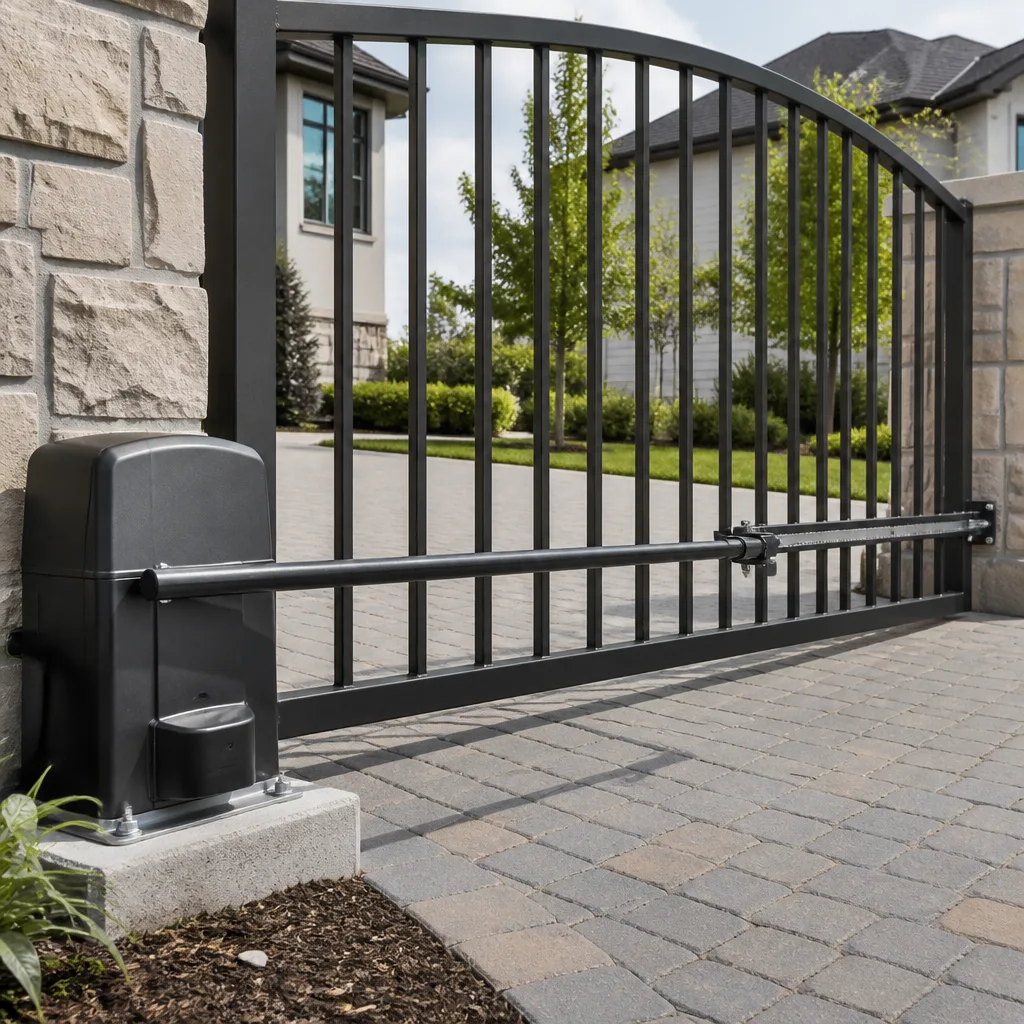
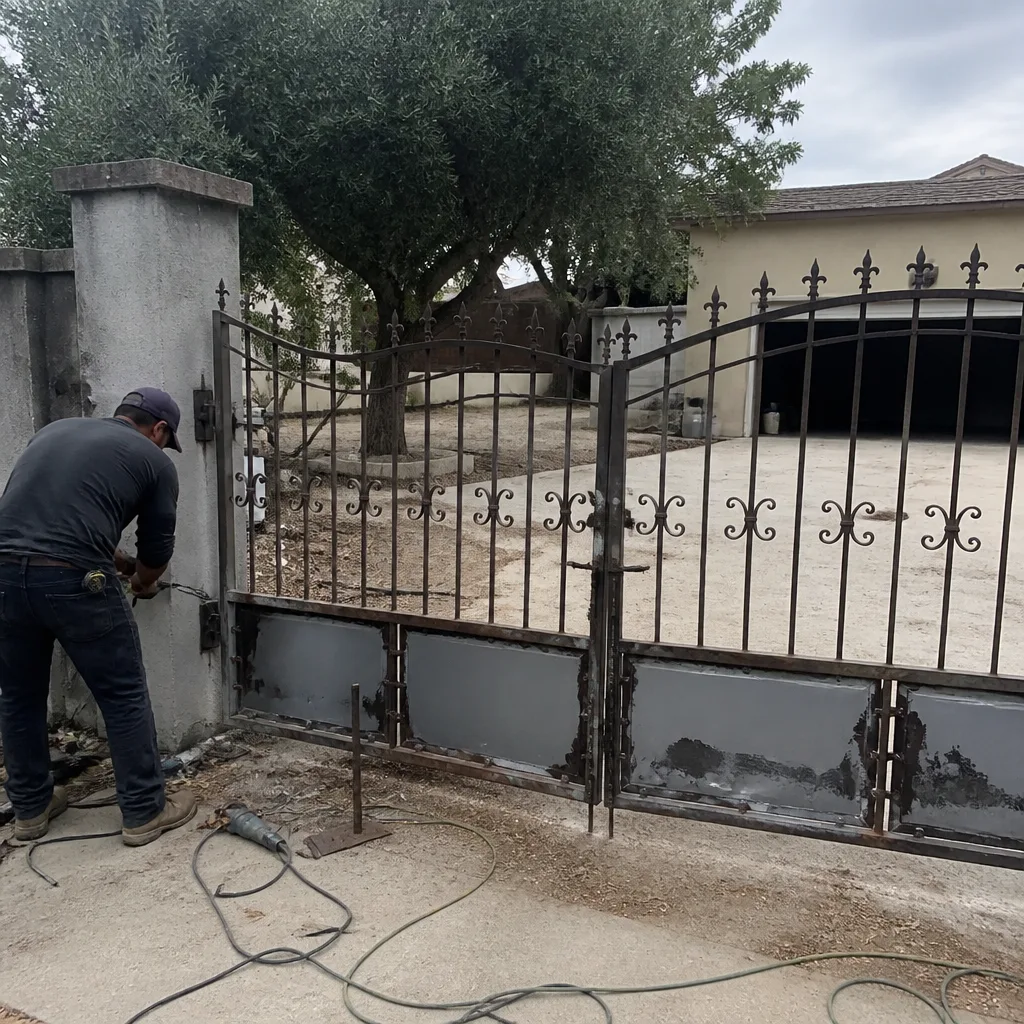 Before
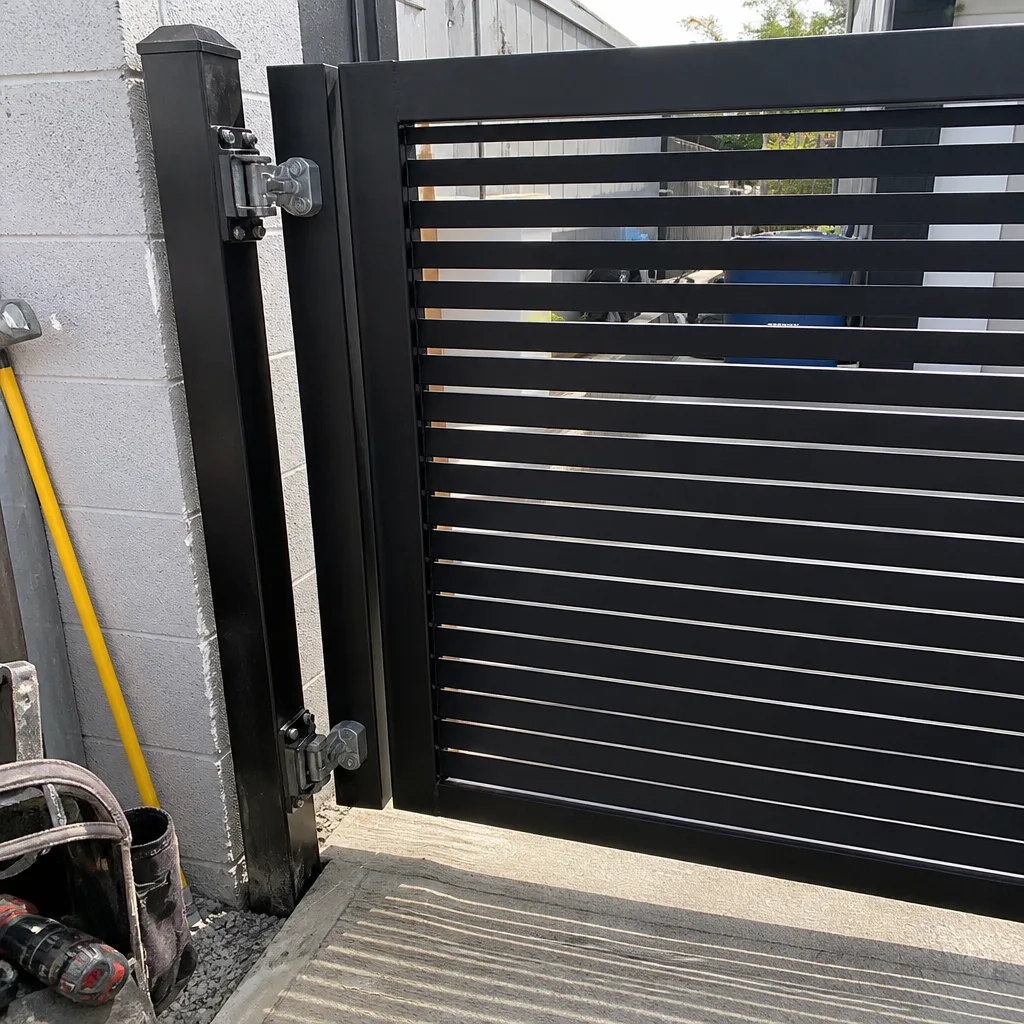 After
After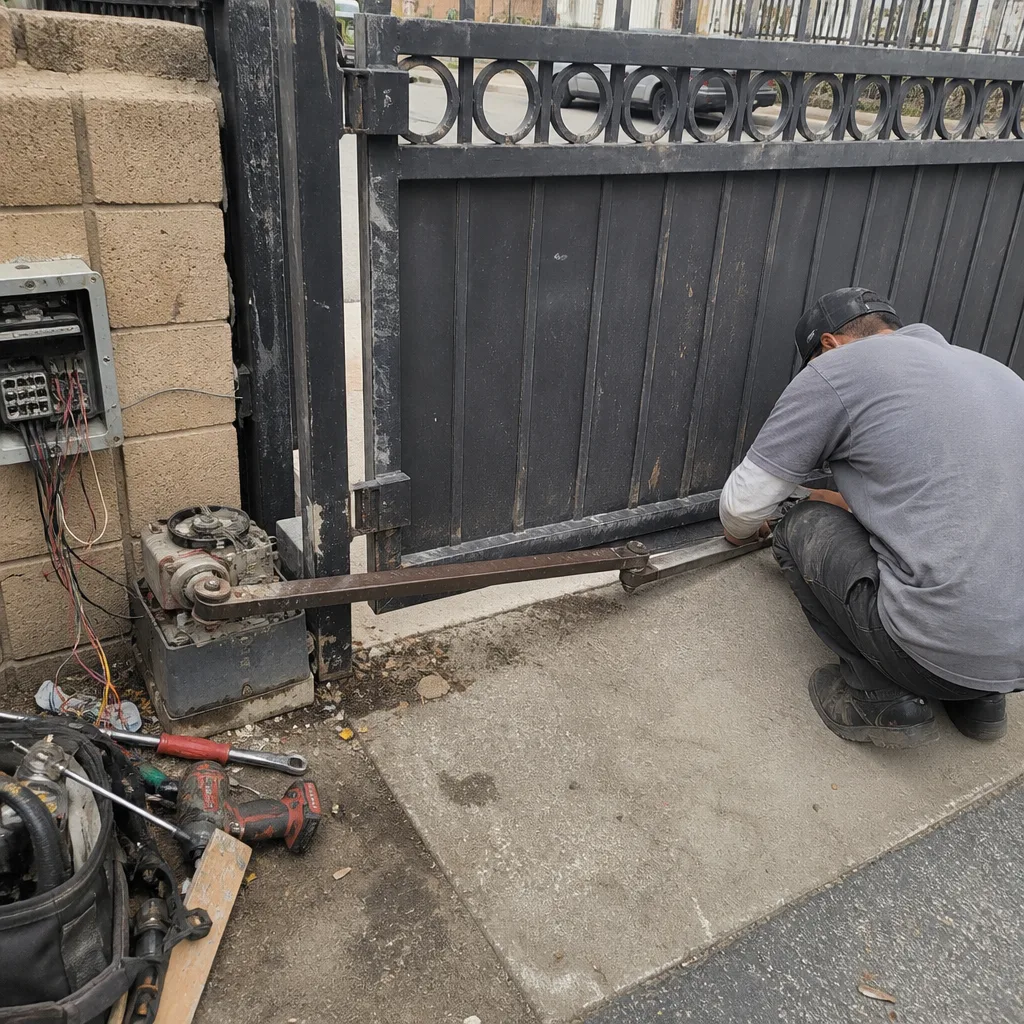 Before
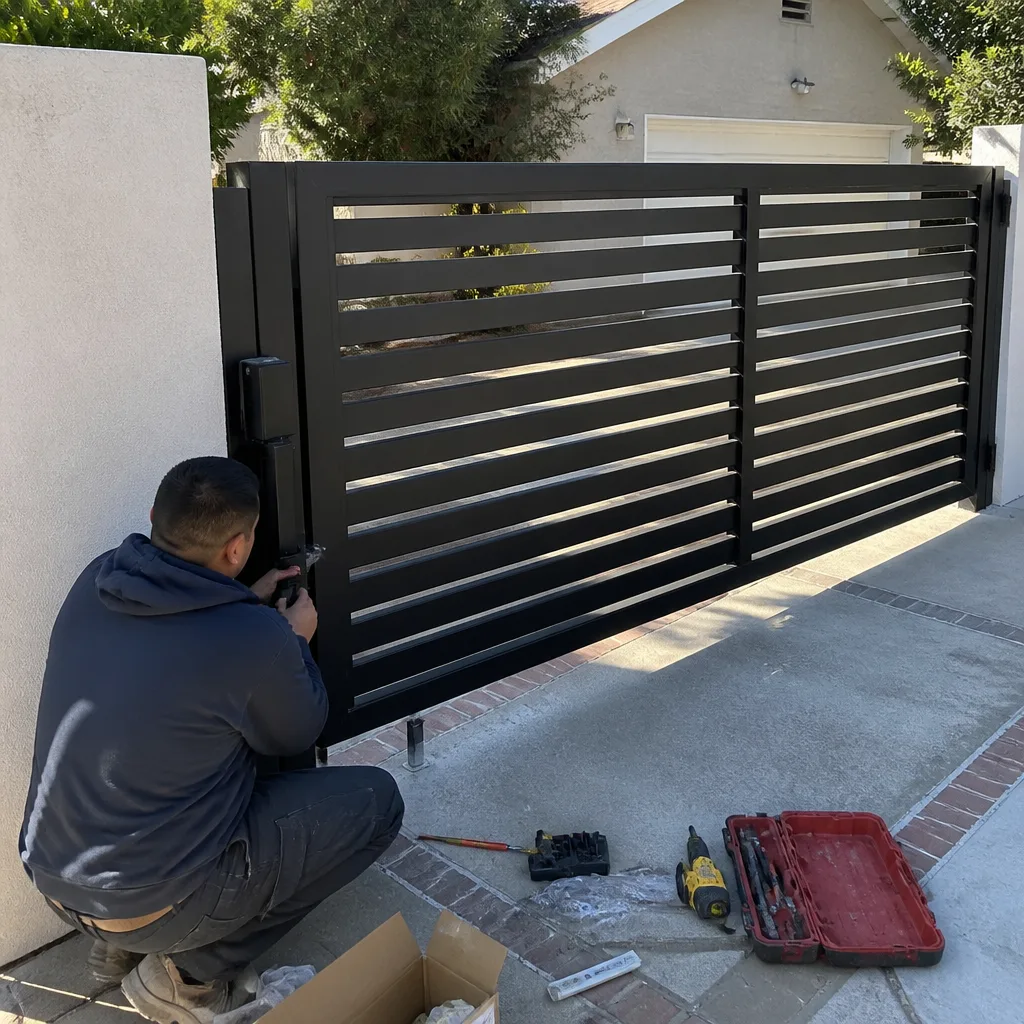 After
After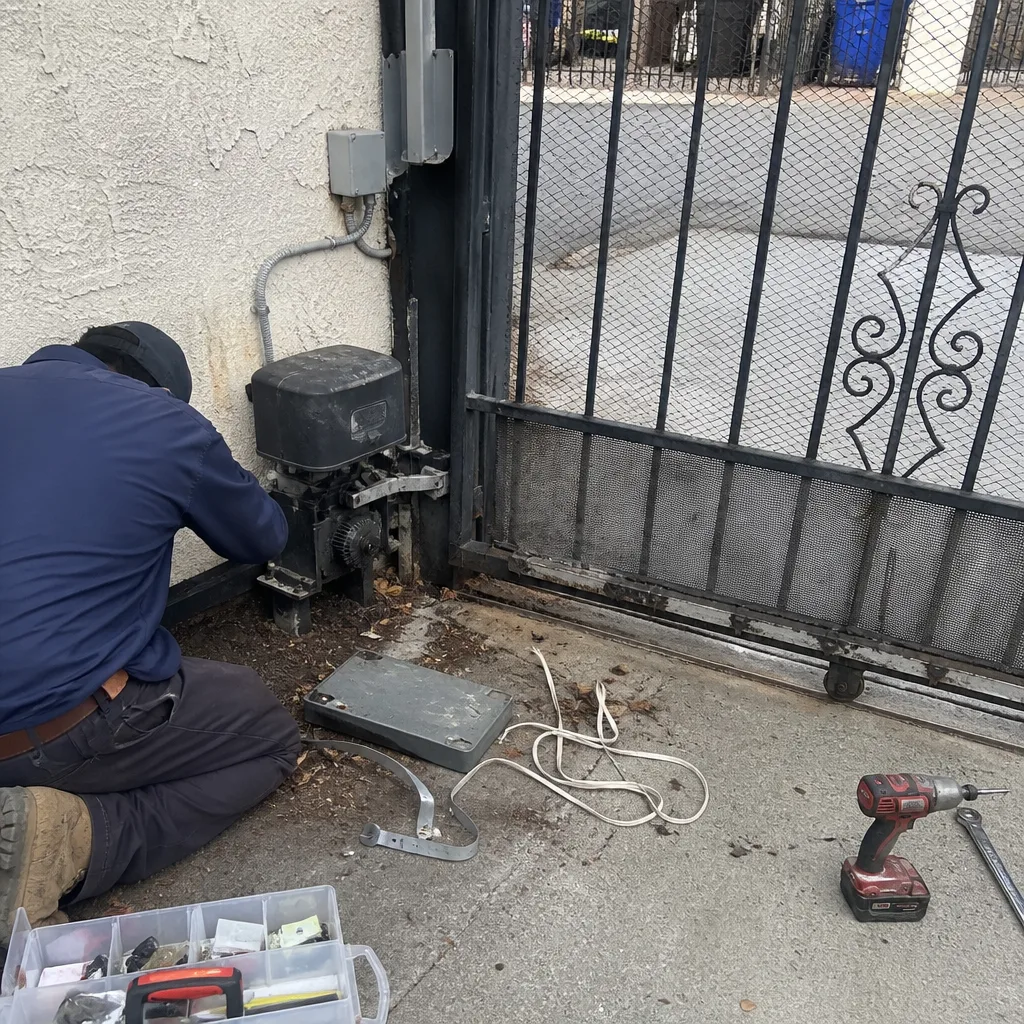 Before
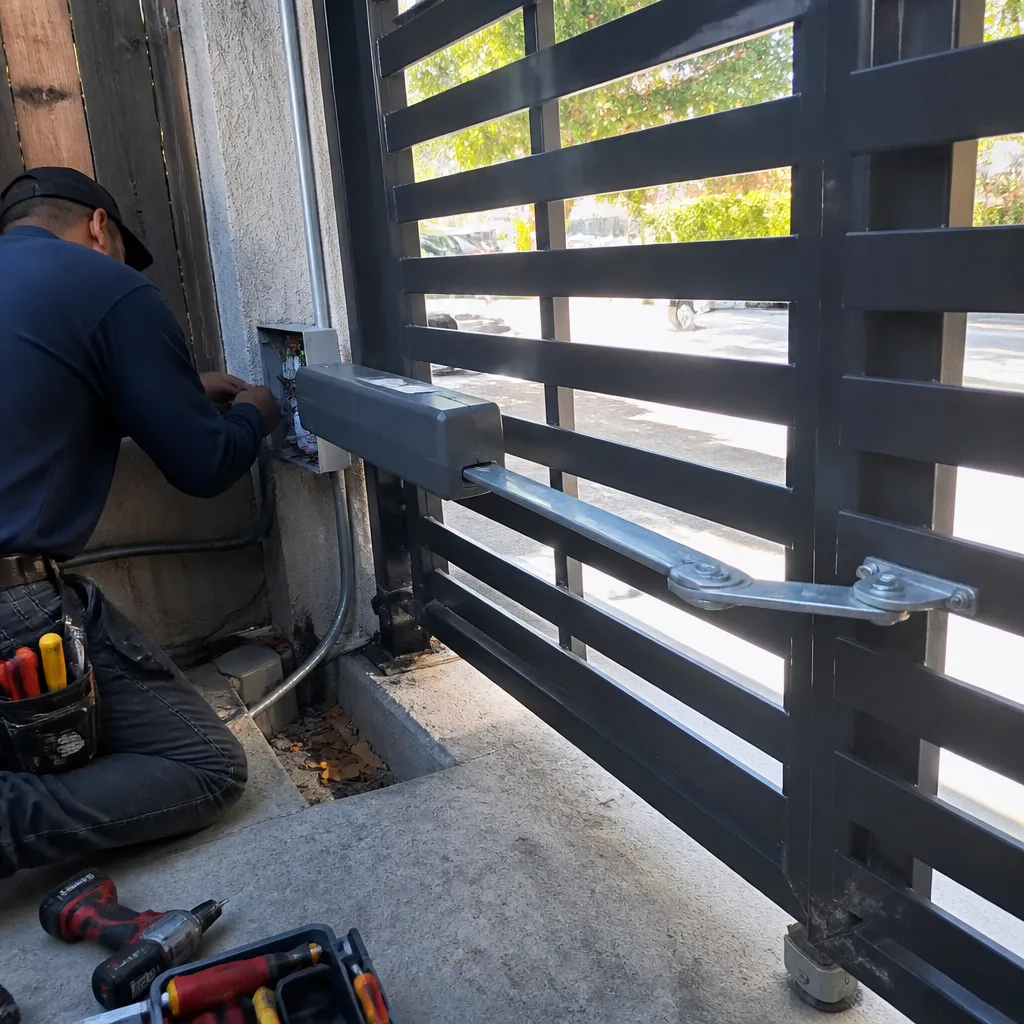 After
AfterGate Repair Permits, Codes & Inspections in CA: What You Need to Know
A homeowner in Encino listed her house in March 2025. Three days before closing, the buyer’s inspector flagged the sliding driveway gate. The motor had been replaced in 2021. It needed a permit. Nobody pulled one. Escrow nearly collapsed while the seller scrambled to get a retroactive permit, a UL 325 compliance check, and a sign-off from Los Angeles Department of Building and Safety. The fix cost her $2,400 in fees, penalties, and expedited inspection costs. The permit itself would have been under $300.
This guide maps exactly when a gate repair in California requires a permit, when it doesn’t, what inspectors actually check, and what skipping the process really costs. We’ll cover Los Angeles specific rules, UL 325 safety compliance, HOA interactions, and the inspection math most homeowners never see until it’s too late.
Quick Answer
In California, replacing a gate opener motor with a like-for-like unit and repairing existing hardware typically does not require a permit. Installing a new automated gate system, adding a motor where none existed, or running new electrical lines to the gate does require a permit from Los Angeles Department of Building and Safety (LADBS). If the gate operator is not UL 325 compliant, the installation is illegal regardless of whether a permit was pulled.
Table of Contents
- Repair vs. Installation: The Legal Line in California
- How LADBS Defines an Automated Gate
- UL 325 Compliance: The Standard That Actually Matters
- HOA CC&Rs vs. City Permits: Two Separate Hurdles
- The Real Cost of Skipping a Permit
- Los Angeles Specifics: Climate, Codes, and Neighborhood Patterns
- What Happens During a Gate Inspection: Step by Step
- Common Mistakes to Avoid
- When to Call a Professional
- Frequently Asked Questions
- The Bottom Line
Repair vs. Installation: The Legal Line in California
The California Building Code (CBC) draws a clear line between maintaining an existing gate and installing something new. Most repairs fall on the maintenance side. Most motor additions fall on the installation side. Understanding where your project lands determines whether LADBS needs to be involved at all.
What Counts as Repair (No Permit Required)
- Replacing a failed opener motor with the same model or a direct equivalent. If your LiftMaster LA500 dies and you install another LA500 or a functionally identical unit, that’s maintenance. The electrical connection already exists and was approved when the original system was permitted.
- Welding or replacing a damaged gate hinge, roller, or track section. Physical hardware repair doesn’t trigger permit requirements as long as the gate’s structural design doesn’t change.
- Replacing safety sensors, keypads, or remote receivers. These are accessories on an existing system. No permit needed.
- Adjusting limit switches, force settings, or closing speeds. Tuning an existing opener is routine maintenance.
What Counts as New Installation (Permit Required)
- Adding a motor to a gate that was previously manual. This is a new automated gate system in the eyes of LADBS. It requires an electrical permit and possibly a building permit depending on the gate’s size and location.
- Running new electrical conduit or wiring from the house to the gate. Any new electrical run in Los Angeles requires an electrical permit, period. This applies even if the gate opener itself is a like-for-like replacement.
- Installing a brand-new gate and opener together. This is a construction project. The gate structure, footings, and automation all require permits.
- Replacing a manual gate with a larger or differently designed gate. If the gate’s dimensions, weight, or mounting points change significantly, LADBS treats it as new construction.
In our experience across Los Angeles, the most common permit mistake we see is the “motor swap that wasn’t just a motor swap.” A homeowner replaces a broken swing arm opener with a sliding gate system because they want the driveway to open differently. That’s a new installation, not a repair. The fact that a gate existed before doesn’t matter. The automation method changed.
How LADBS Defines an Automated Gate
Los Angeles Department of Building and Safety treats an automated gate as a machine, not just a fence component. That distinction drives everything about permitting, inspections, and liability. A manual gate is regulated under fencing and zoning codes. An automated gate falls under electrical codes, mechanical codes, and the California-specific amendments to UL 325 safety standards.
Here’s what LADBS cares about when you install or significantly modify an automated gate in Los Angeles:
- Electrical permit. Any hardwired gate opener requires an electrical permit. The wiring from your panel to the gate motor is governed by the California Electrical Code. Battery-operated openers that use solar charging may not require an electrical permit, but the motor itself still needs to meet UL 325.
- Setback and zoning compliance. Automated gates that swing outward over a public sidewalk may require additional review. Los Angeles has specific rules about gates near sidewalks, alleys, and fire lanes. A gate that blocks pedestrian access when open can trigger a zoning violation.
- Fire department access. In Los Angeles, gates on properties served by LAFD must accommodate emergency vehicle access. This typically means a Knox key switch, a siren-activated sensor, or another approved emergency opening mechanism. LADBS coordinates with LAFD on these requirements for new automated gate installations.
The practical difference between a manual gate and an automated gate in Los Angeles comes down to this: a manual gate might never see an inspector. An automated gate legally requires one. The motor, the safety edges, the photo eyes, the force settings, and the emergency release all need to function correctly and be documented.
UL 325 Compliance: The Standard That Actually Matters
UL 325 is a safety standard published by Underwriters Laboratories that governs automatic gate operators. It exists because automated gates have killed people. Children have been crushed by closing gates. Adults have been trapped and injured. The standard sets requirements for entrapment protection, force limits, and safety device redundancy.
In California, UL 325 compliance is not optional. The state adopted the standard into the California Building Code, which means a non-compliant automated gate is a code violation. More importantly, it’s a liability bomb.
What UL 325 Requires for Residential Gate Operators
- Two independent entrapment protection devices. A typical setup includes photo eyes (sensors that stop the gate if something breaks the beam) plus a contact edge sensor (a pressure-sensitive strip that reverses the gate on physical contact). One or the other is not enough. The standard requires both on most gate types.
- Force limitation. The opener must be set to reverse if it encounters resistance above a specific threshold. This prevents the gate from crushing a person or pet. Technicians use a force gauge to test this during inspection.
- Audio and visual alarm on certain operators. Some gate types require an alarm that sounds and flashes before and during movement. This is more common on commercial installations but applies to some residential configurations.
- Manual release mechanism. Every automated gate must have a way to disengage the motor and operate the gate by hand. In Los Angeles, this matters for fire access and power outages.
Here’s the liability piece most homeowners don’t understand. If your gate is not UL 325 compliant and someone gets injured, your homeowner’s insurance may deny the claim. The non-compliant installation is a known code violation, which insurers treat as negligence. We’ve seen this in Los Angeles specifically because the city has so many older homes with legacy gate openers that predate current UL 325 requirements. Learn to spot issues early with our guide to Gate Repair Warning Signs Every Homeowner Should Know. A Viking or DoorKing unit installed in 2005 may not meet today’s standard. It worked for 20 years. It’s still a liability.
When we repair an opener, we check UL 325 compliance as part of the job. If the existing system doesn’t meet the standard, we document it and explain what needs to change. The Gate Opener Repair in Los Angeles work we do always includes a safety check because we don’t want our name on a non-compliant install.
HOA CC&Rs vs. City Permits: Two Separate Hurdles
Homeowners associations in Los Angeles have their own approval process for gates. The CC&Rs (Covenants, Conditions, and Restrictions) govern what a homeowner can install in a planned development, and automated gates are frequently regulated. Getting HOA approval does not satisfy city permit requirements. Getting a city permit does not satisfy HOA requirements. They are two independent processes with two independent sets of consequences.
How They Interact
- HOA approval is about aesthetics and community standards. Your HOA cares whether the gate matches the neighborhood style, whether it’s visible from the street, and whether it complies with the development’s design guidelines. They don’t care about UL 325 or electrical code compliance. That’s not their jurisdiction.
- City permits are about safety and legal compliance. LADBS cares whether the installation is safe, properly wired, and compliant with building codes. They don’t care if your gate matches the neighbor’s or if the HOA approved the color.
- You need both for a new automated gate in an HOA community. Skipping either one creates a different problem. Skipping HOA approval can result in fines, forced removal, or a lien. Skipping the city permit creates code violations and disclosure problems when you sell.
The Encino case from the opening of this guide is the classic pattern. The homeowner got HOA approval for her gate motor replacement in 2021. She assumed that was the whole process. It wasn’t. The HOA approval covered the community’s design rules. It said nothing about LADBS electrical permits. When the buyer’s inspector found the unpermitted motor three years later, the HOA approval meant nothing.
In Los Angeles, many HOAs in the San Fernando Valley, Brentwood, and Pacific Palisades have specific gate design standards. Some require solid wood gates. Some require wrought iron. Some prohibit sliding gates entirely. If you’re replacing a gate, check both the CC&Rs and the city requirements before you spend a dollar.
The Real Cost of Skipping a Permit
The permit fee for an automated gate installation in Los Angeles typically runs $150 to $400 depending on the scope of electrical work and whether a building permit is also required. That’s the number homeowners see on the LADBS fee schedule. It looks cheap to skip.
Here’s what skipping the permit actually costs when it goes wrong:
| Scenario | Typical Cost in Los Angeles |
|---|---|
| Permit fee (electrical, gate automation) | $150 – $400 |
| Retroactive permit penalty (LADBS investigation fee) | $500 – $1,200 |
| Expedited inspection after permit issued retroactively | $200 – $400 |
| Correction of non-compliant or unsafe installation | $500 – $2,500 |
| Buyer credit or price reduction during home sale | $1,000 – $5,000 |
| Insurance claim denial (worst case) | Full liability exposure |
The math is not close. Pulling the permit upfront costs a few hundred dollars. Fixing an unpermitted gate later costs thousands. And that’s before considering the time cost. LADBS retroactive permit review takes weeks. If you’re in escrow, you may not have weeks.
We tell every Los Angeles homeowner the same thing: if the job requires a permit, get the permit. If you’re not sure whether the job requires a permit, ask LADBS or a licensed contractor who will check. Guessing wrong is expensive.
At Electric Gate Repair in Los Angeles, we review permit requirements before recommending any work. If a repair doesn’t need a permit, we say so. If an installation does, we factor the permit into the written price so there are no surprises at the end.
Los Angeles Specifics: Climate, Codes, and Neighborhood Patterns
Los Angeles is not one code environment. The city has microclimates that affect gate hardware differently, and neighborhoods have different gate styles that create different inspection patterns. Understanding the local context helps you anticipate issues before they become permit problems.
Climate Factors That Affect Gates and Permitting
Coastal neighborhoods like Pacific Palisades, Santa Monica, and Playa del Rey put salt air on gate hardware year-round. Rusted hinges, corroded electrical connections, and failed safety sensors are common. When a safety sensor fails due to corrosion, replacing it is a repair, not a permit-triggering installation. But if the corrosion is extensive enough that wiring needs to be replaced, that new electrical work requires a permit. Homeowners in coastal Los Angeles should inspect gate electrical connections annually to catch corrosion before it forces a rewire.
Valley neighborhoods like Woodland Hills, Encino, and Sherman Oaks deal with extreme heat. Gate opener motors and control boards fail more frequently in sustained 100-plus degree temperatures. When a control board fails and you replace it with the same model, no permit is needed. When the replacement requires a different model with different wiring requirements, the calculus changes. That’s where a Gate Repair in Los Angeles visit can clarify whether the job is a straightforward swap or a rewire that triggers LADBS involvement.
Neighborhood Gate Patterns
Hancock Park and Windsor Square have many older sliding driveway gates with legacy DoorKing and Viking operators. These units are often 15 to 25 years old and predate current UL 325 standards. Replacing one with a modern DoorKing or Viking equivalent is a repair. Upgrading to a different gate configuration is an installation. The distinction matters for permitting.
Beverly Hills, Bel Air, and Holmby Hills have many custom swinging gates with operators from brands like Linear and Ghost Controls. These systems sometimes use underground operators or high-torque swing arms. Any new installation in these areas almost always involves both an electrical permit and careful zoning review because of setback requirements.
The point is this: your neighborhood’s typical gate configuration affects what a repair looks like. A technician familiar with Los Angeles gate styles can tell you immediately whether your job is a repair or an installation. That distinction determines everything about permits and inspections.
What Happens During a Gate Inspection: Step by Step
When an automated gate installation in Los Angeles requires a permit, LADBS assigns an inspector. Here’s the process, step by step.
- Permit application. Your contractor or you submit the permit application to LADBS. The application includes the gate specifications, opener model, electrical plan, and site diagram. For most residential gate installations, the permit is issued within 1 to 2 weeks.
- Rough inspection. If new electrical conduit is being run from the house to the gate, LADBS inspects the conduit and wiring before it’s covered. This happens after the electrical work is complete but before the trench is backfilled or the conduit is concealed.
- Final inspection. The inspector visits after the gate and opener are fully installed. They check:
- UL 325 compliance: photo eyes, contact edges, force settings, and manual release.
- Electrical connections: proper grounding, conduit, and breaker sizing.
- Gate operation: the gate cycles through open and close without binding, dragging, or reversing unexpectedly.
- Safety signage: if required, warning signs mounted on the gate.
- Fire access features: Knox switch or emergency release if required by LAFD.
- Correction notice (if needed). If the inspector finds issues, they issue a correction notice. The installer fixes the issues and schedules a re-inspection. Re-inspection fees apply but are typically modest.
- Final sign-off. Once the inspector approves the installation, the permit is signed off. Keep this documentation. You’ll need it if you sell the property.
The entire process typically takes 3 to 6 weeks from permit application to final sign-off. That timeline matters if you’re planning a gate installation before a specific date, like a home sale or a security upgrade before a trip.
We’ve been through this process in Los Angeles many times. It’s not complicated if the installation is done correctly the first time. It becomes complicated when the installer skips permit requirements or cuts corners on UL 325 compliance. The inspector will find it. They always find it.
Common Mistakes to Avoid
- Assuming HOA approval covers city permits. These are independent processes. Getting HOA sign-off for your gate does not satisfy LADBS requirements, and vice versa. The Encino case from the opening of this guide is exactly this mistake.
- Replacing a swing gate with a sliding gate without checking permitting requirements. This is a new installation, not a repair. The permit is required regardless of whether a gate existed before. The automation method changed.
- Installing a non-UL 325 compliant opener because it was cheaper. The savings disappear the first time someone gets injured or the first time a buyer’s inspector flags it. Non-compliant installations are code violations and insurance claim denials waiting to happen.
- Running new electrical lines to the gate without an electrical permit. This is one of the most commonly skipped permits in Los Angeles because the electrical run is often underground and invisible. When LADBS finds it, the fix requires digging everything up.
- Ignoring fire department access requirements. In Los Angeles, gates that block LAFD access need an emergency opening mechanism. Installing a gate without it creates a safety hazard and a code violation that must be corrected.
- Not keeping permit documentation after the work is done. You need the signed-off permit when you sell. Without it, you’re in the same position as the Encino homeowner: scrambling to fix a problem you didn’t know you had.
- Hiring an unlicensed contractor who promises “no permit needed”. If the job requires a permit and your contractor says otherwise, they’re either wrong or lying. Either way, you’re the one who owns the problem when it surfaces.
When to Call a Professional
If your gate opener is dead and you’re replacing it with the same model, you can handle this through a straightforward repair. No permit needed. If you’re adding automation to a manual gate, running new electrical lines, changing gate configurations, or installing a new gate system, call someone who knows Los Angeles permit requirements. For step-by-step help, see our Gate Repair Troubleshooting: Common Problems and How to Fix Them. The stakes are too high to guess.
If you’re selling a home with an automated gate that wasn’t permitted, call a professional before you list. Retroactive permitting takes weeks. Getting ahead of it prevents escrow emergencies.
Calder Gate Repair offers free estimates in Los Angeles. Call (903) 417-0793 and we’ll review your gate, tell you whether a permit is needed, and put the full scope in writing before any work starts.
Frequently Asked Questions
No, if you’re replacing the motor with the same model or a direct equivalent and no new wiring is required. This is considered maintenance, not new installation. If the replacement requires different wiring or a different automation method, a permit is required. Call (903) 417-0793 for clarification on your specific opener.
Electrical permits for gate automation in Los Angeles typically run $150 to $400 depending on scope. Building permits, if required, add to that total. The cost of skipping the permit is far higher: retroactive penalties, correction work, and escrow complications can run into the thousands.
Yes. California adopted UL 325 into the California Building Code. Every automated gate operator must meet the standard’s entrapment protection requirements, including two independent safety devices, force limitation, and a manual release mechanism. Non-compliant installations are code violations and create liability exposure.
The buyer’s inspector may flag the unpermitted gate during the inspection period. If they do, you’ll likely need to pull a retroactive permit, correct any code violations, and possibly issue a credit to the buyer. The process can take weeks and cost thousands of dollars beyond the original permit fee.
No. HOA approval and city permits are separate processes with separate requirements. HOA approval covers design standards and community rules. City permits cover safety, electrical compliance, and building code. You need both for a new automated gate installation in an HOA community.
Most opener repairs, like a failed control board or a broken limit switch, can be completed in one visit. Calder Gate Repair dispatches background-checked technicians with live arrival times. Call (903) 417-0793 for a written quote before any work begins.
The Bottom Line
California gate permitting is not mysterious, but it is specific. Like-for-like repairs don’t need permits. New installations, new electrical runs, and automation changes do. UL 325 compliance is mandatory regardless of permitting. HOA approval and city permits are separate processes that both need attention. The cost of doing it right is a few hundred dollars. The cost of skipping it can be thousands. If you’re in Los Angeles and unsure where your gate project falls, call Calder Gate Repair at (903) 417-0793. We’ll tell you straight, put it in writing, and stand behind the work with the 365-Day Done Right Promise.
Written by Nico Alvarez, Owner at Calder Gate Repair, serving Los Angeles since 2009.