
Last updated October 9, 2026
Free on-site gate assessment - hinges, posts, and your LiftMaster or Nice gate operator checked before anything is quoted
The assessment is free and the quote is the invoice.
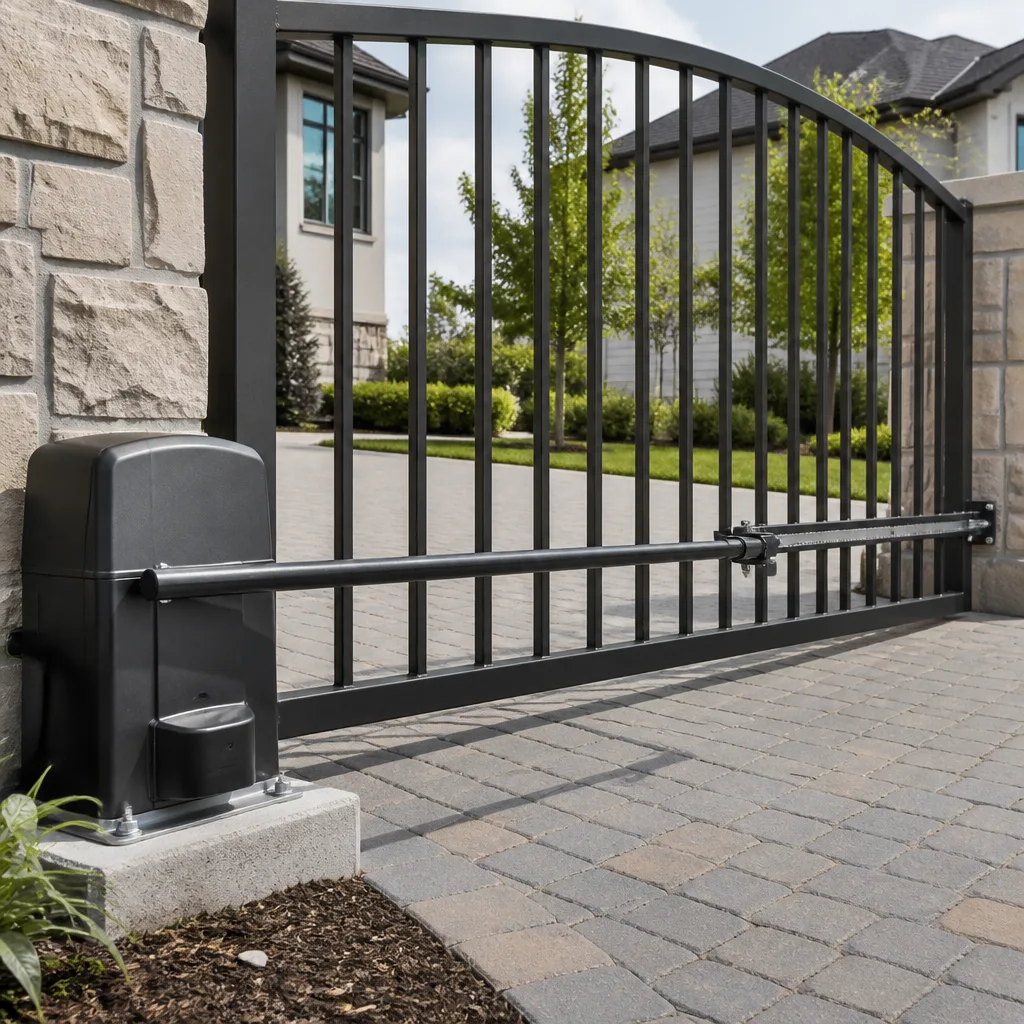
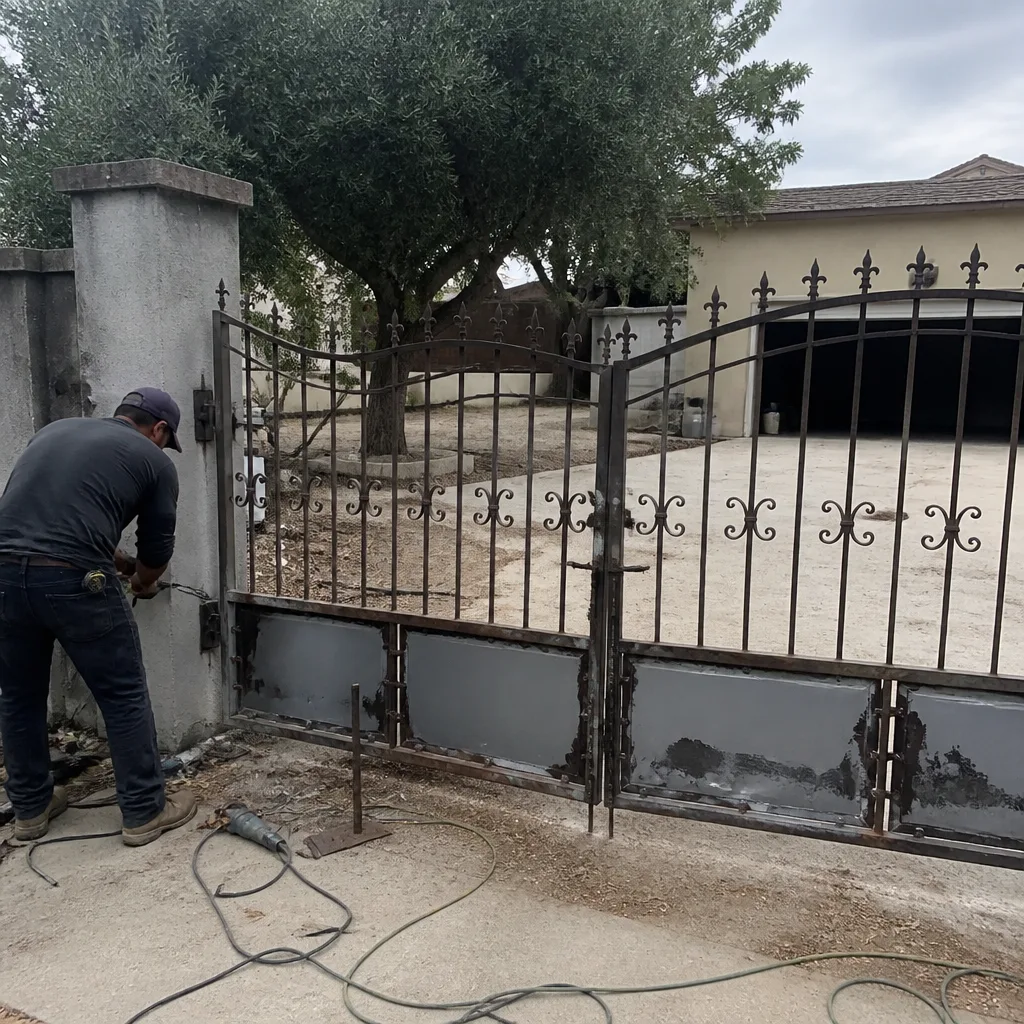 Before
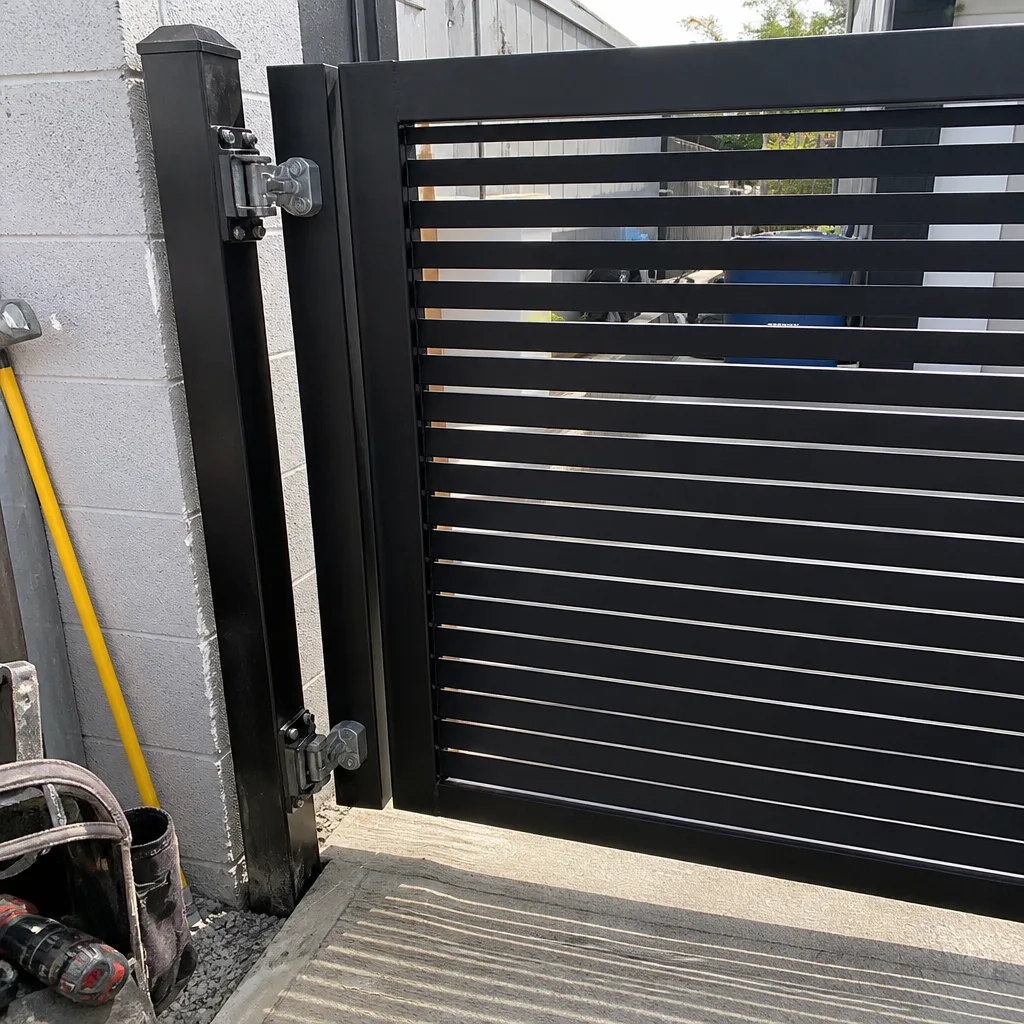 After
After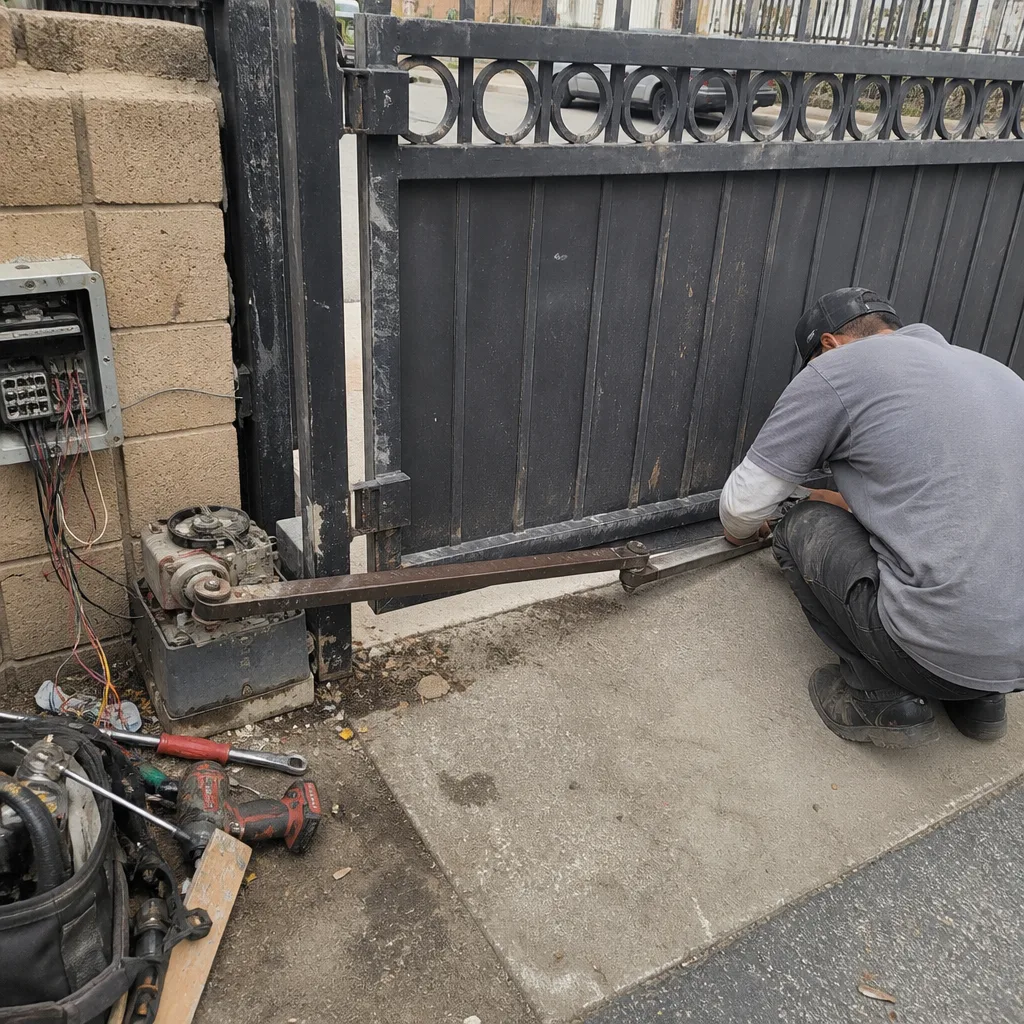 Before
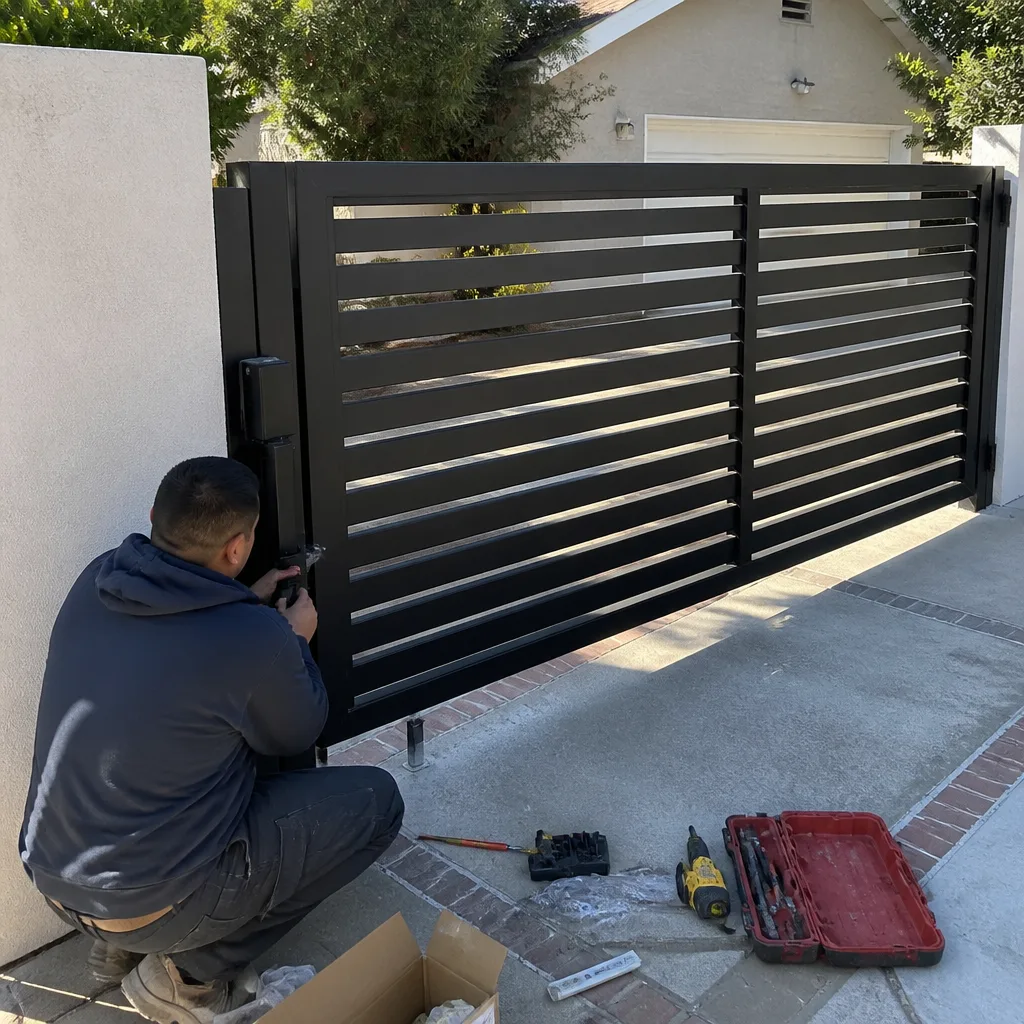 After
After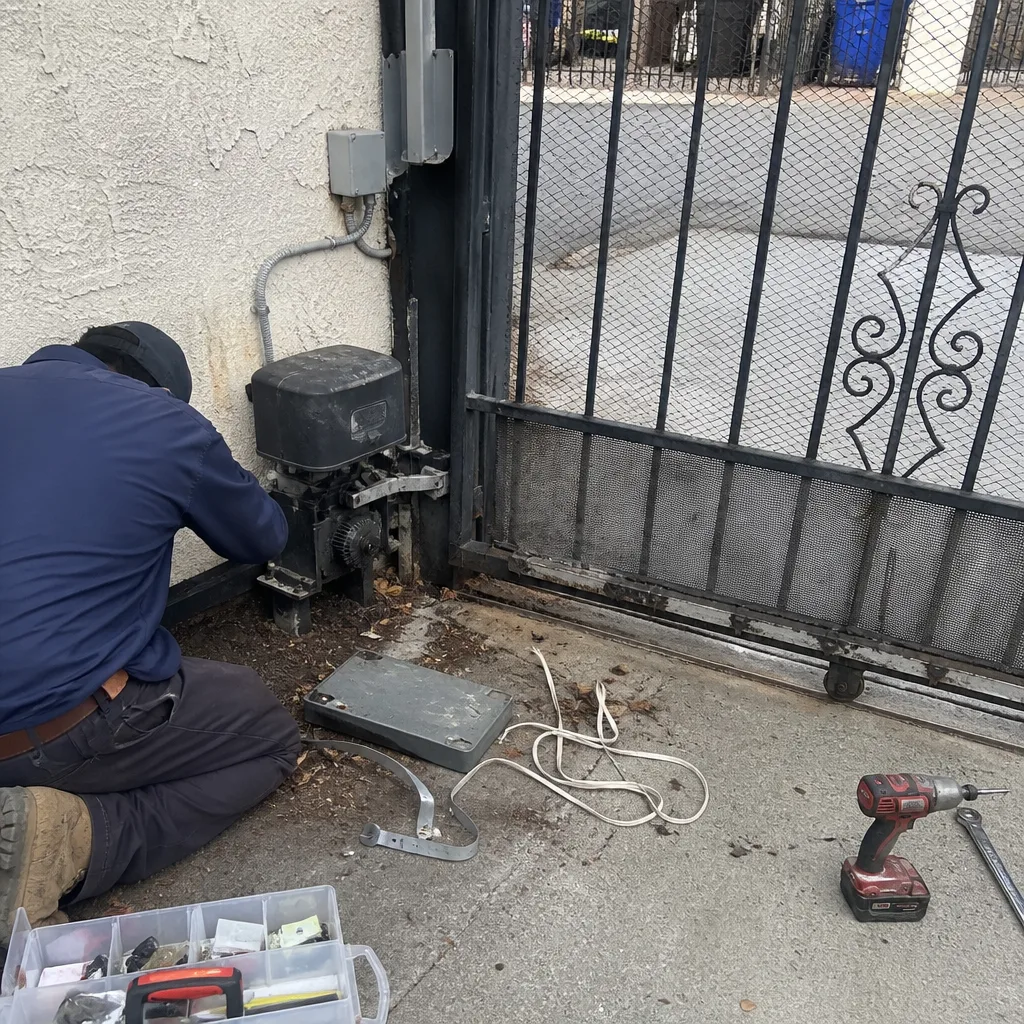 Before
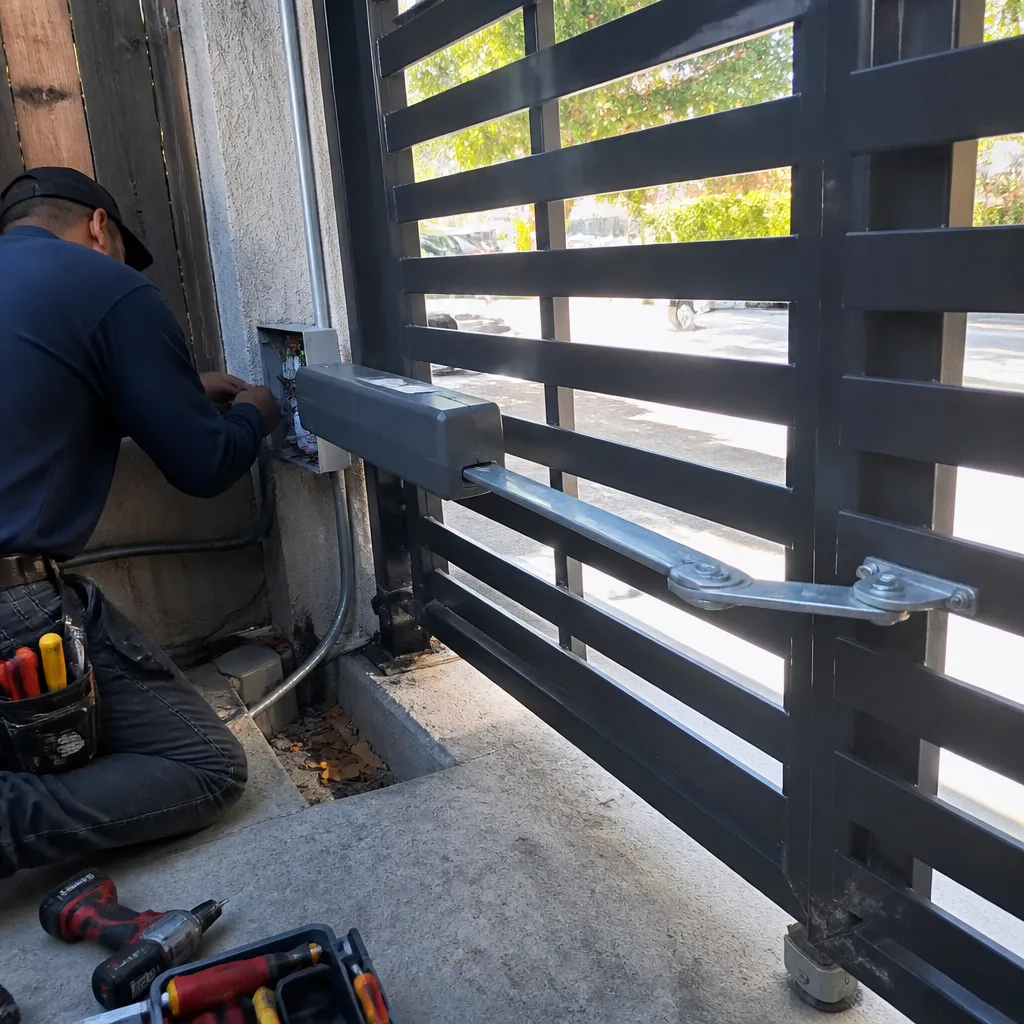 After
AfterSeasonal Gate Repair Care for Los Angeles: Year-Round Homeowner’s Guide
Most gate maintenance advice gets written for places with snow, ice, and a real winter. Los Angeles doesn’t work that way. We get maybe eight weeks of meaningful rain, but we get seven months of marine layer and a Santa Ana season that snaps gate tracks sideways while the rest of the country is raking leaves. The result: LA gates fail on a different calendar than the rest of the country, and the homeowners who catch problems early are the ones who stop treating “winter prep” as their only maintenance event. This guide walks through what actually breaks during each stretch of the Los Angeles year, what to check before trouble starts, and when a repair is a job for our Gate Repair services rather than a Saturday project.
Quick Answer
Seasonal gate maintenance in Los Angeles means four distinct checkpoints each year: a pre-Santa Ana wind inspection in September, a post-rainy-season concrete and anchor check in March, a marine-layer rinse routine for coastal homes June through August, and a summer heat check for sensor alignment in Valley zip codes. Most homeowner-level maintenance takes under 20 minutes per season. The gate repairs that cost the most are almost always the ones where a small seasonal problem was left alone for eight months.
Table of Contents
- Santa Ana Season: The Gate Killer Most Guides Ignore
- Post-Rainy Season: What Standing Water Does to Gate Anchors
- June Through August: Marine Layer Corrosion on Coastal and Mid-City Gates
- Summer Heat in the Valley: Sensor Drift Above 150°F Pavement
- Fire Season: Ash, Debris, and Gate Track Failures
- The 20-Minute Monthly Gate Check That Prevents Most Repairs
- Common Mistakes to Avoid
- When to Call a Professional
- Frequently Asked Questions
Santa Ana Season: The Gate Killer Most Guides Ignore
If you take one thing from this guide, make it this: the biggest seasonal threat to Los Angeles gates is not rain, it’s wind. Santa Ana events happen every fall, typically October through early December, with gusts that regularly hit 40 to 60 mph in foothill neighborhoods like La Crescenta, Altadena, and Porter Ranch. Those gusts do not just push against the gate leaf. They load the entire assembly, which sends stress into the hinge brackets, the gate arm or opener, and the track. In our experience, a single strong Santa Ana week triggers more gate track misalignment calls from Los Angeles homeowners than the entire rainy season does.
Here is the pre-Santa Ana checklist we recommend every September. It takes about 30 minutes on a Saturday morning.
- Tighten every visible bolt on the hinge brackets and gate arm. Wind cycles loosen hardware gradually. A gate that feels “a little wobblier than usual” before wind season is a gate that will be badly out of alignment after it.
- Clear the full track path. Palm fronds, dead leaves, and general grime build up over the dry summer. Wind shoves that debris deeper into the track and into the wheels. A clean track distributes wind load the way it should.
- Test the opener’s manual release. If wind knocks out power, you still need to get the gate open for the car. If the release has never been pulled or hasn’t been tested in years, do it now, while you are not in a hurry.
- Check the gate’s closed position. Walk the gate closed and look at the gap along the bottom and the latch side. If the gate now sits slightly off, note where. That drift will get worse under wind, not better.
- Trim anything that can scrape the gate. Bougainvillea, oleander, untrimmed hedges. When wind pushes them against the gate face, they scratch finishes and, worse, jam the safety edges on electric gates.
If you find loose hardware you can safely tighten, do it. If the gate is already misaligned enough to rub or drag, that is the moment to call. Wind will turn a small misalignment into a snapped weld or a bent track faster than most homeowners expect. Calder Gate Repair has Gate Repair in Los Angeles crews out every fall for exactly this, and we always write the price down before any work starts.
Post-Rainy Season: What Standing Water Does to Gate Anchors
Los Angeles rain comes in bursts. When it does, water pools in low spots near the gate post, along the track, and around the base of the opener column. The problem is not the rain itself, it is what the standing water does over the following weeks and months: concrete anchors rust, soil shifts, and posts that were perfectly plumb in October go slightly out of level by February.
In neighborhoods with clay-heavy soil, like parts of the San Fernando Valley and the foothills north of the 210, the expansion and contraction cycle is more pronounced. A post anchored in clay that gets wet, swells, then dries out over a hot spring can shift enough to bind the gate. This shows up as a gate that closes fine when you test it manually but bogs down when the opener tries to close it against the latch.
Here is the March inspection sequence, which is our recommended post-rainy season routine for Los Angeles homeowners.
- Look for pooling around the gate posts. After the last meaningful rain, note where water sat for more than a day. Any spot where water stands is a spot where the concrete saw repeated soaking and drying. Fix the drainage if you can, even something as simple as a French drain or recontouring the soil away from the post.
- Check for rust bleeding from the post base. Orange-brown staining at the bottom of the post or on the concrete is a sign of internal corrosion. Surface rust is cosmetic. Rust weeping from inside the post is structural.
- Sight the gate for level. Stand at the hinge side and look down the top rail. A gate that was level and now sits slightly uphill or downhill at the latch side means the post has moved. Do not ignore a quarter-inch of drift. It becomes a half inch fast.
- Exercise the gate through a full open and close cycle. Listen for new scraping, grinding, or a change in the motor’s pitch. These are the first audible signs that alignment has shifted enough to increase load on the opener.
Most electric gate repair in Los Angeles after the rainy season comes down to posts that moved and openers that burned themselves out trying to push against a gate that no longer closed straight. Catching the post drift early is the difference between a bracket adjustment and a much larger job that involves resetting a post in new concrete.
June Through August: Marine Layer Corrosion on Coastal and Mid-City Gates
Most people think of salt corrosion as a beach problem. But the marine layer that rolls into Los Angeles from June through August pushes salt particulate well inland. Homes in Mar Vista, Playa del Rey, and Westchester get the heaviest dose, but the haze reaches the 405 corridor and even into Culver City and parts of Mid-City on overcast mornings. That moisture-laden air condenses on metal surfaces, and the salt that settles there starts doing quiet damage to exposed gate hardware.
The vulnerable parts are the ones that rarely get looked at: hinge pins, bolts, the opener bracket where it mounts to the column, and the terminals on low-voltage wiring. Over a few summers, untreated corrosion on coastal gates turns nice bronze or stainless hardware into pitted, seized connections. Bolts snap when a technician tries to adjust them. Gate arms get stiff. Opener control boards that should last a decade start throwing intermittent sensor faults in year six.
The fix is not complicated, but it has to be repeated.
- Rinse the gate hardware once a month during marine layer season. Plain water from a garden hose is enough; you’re washing off salt, not scrubbing. Do it in the morning before the sun bakes the salt into the finish.
- Wipe the hinge pins and opener arm with a dry cloth after rinsing. Don’t leave moisture sitting on moving parts. It’s the salt-and-moisture cycle, not either one alone, that does the damage.
- Apply a light silicone spray or a designated gate lubricant to hinge pins and the gate arm pivot points. Do not use WD-40; it is a solvent-cleaner, not a lasting lubricant, and it will strip any remaining protection off the metal.
- Check low-voltage wiring connections for green or white crust. This is visible corrosion on the terminals. If a connection looks crusty, have it cleaned and resealed before it becomes an intermittent failure.
Homeowners who do this monthly rinse through August tell us their openers on brands like Mighty Mule and LiftMaster live noticeably longer than their neighbors’ units that got no attention at all. The difference shows up at the six- or seven-year mark, which is exactly when most Los Angeles coastal openers would otherwise start failing.
Summer Heat in the Valley: Sensor Drift Above 150°F Pavement
Valley zip codes including Woodland Hills, Northridge, Reseda, and Van Nuys see summer pavement temperatures that hit 150°F and higher. That heat does two things to gate systems. First, it expands the metal in the gate leaf and the track, which changes clearances by fractions of an inch, which changes how the gate handles. Second, and more important, it stresses the electronics. Ground-mounted safety sensors, the photo-eye style sensors near the bottom of the gate opening, and the limit switches inside the opener all drift as operating temperatures climb.
The most common summer heat symptom we see in Los Angeles is a gate that reverses for no reason, or refuses to close, on the hottest afternoons and then works fine at night. That is a sensor alignment problem. The heat expands the mounting surface just enough to break the beam alignment, and the gate, reading that as an obstruction, does what it should and stops.
There is a simple summer protocol for Valley homes.
- In June, when the first heat wave hits, watch your gate at 3 p.m. That is the hottest part of the day, and it is when thermal expansion problems show up. If the gate stutters, reverses, or needs a second try, note it.
- Clean the sensor lenses. Dust, pollen, and dried sprinkler overspray on the lenses will trigger false obstruction readings. A soft cloth and water are enough.
- Check the gap under the gate. A gate leaf that scrapes the pavement only in the heat of the afternoon is a clearance issue, not a sensor issue. It may need a hinge adjustment, not a sensor replacement.
- Let us check the limit switches if the problem persists. On gate openers like FAAC and BFT, the limit switch, which is the small sensor that tells the gate when to stop, can move slightly inside the housing over years of hot and cold cycles. When it drifts, the gate stops short or over-travels and bounces back.
None of this is catastrophic if caught early. What turns a summer sensor drift into a real repair is months of forcing the gate to close by holding the button or disconnecting the safety system, which we never recommend doing. If the gate needs professional attention, Electric Gate Repair in Los Angeles can handle it, and we will show you the written price before anything gets touched.
Fire Season: Ash, Debris, and Gate Track Failures
Fire season in Los Angeles runs late summer through fall, and homeowners correctly worry about defensible space, evacuation routes, and embers. What they rarely think about is what the ash and fire debris do to the gate itself. But after every major smoke event, including the wind-driven fires that have stripped brush off the hills in recent years, we get a wave of calls from Los Angeles neighborhoods nowhere near the burn zone. The problem is not fire damage. It is what the ash did to the gate track.
Ash is fine and abrasive. Wind carries it for miles. It settles into the gate track, the wheels, and the gaps around the opener arm. Then a gate that moved freely starts grinding, and since most homeowners don’t connect the grinding to a fire that happened thirty miles away, the gate keeps running. The wheels chew the ash into the track. The track wears. The opener labors. Failures follow weeks later, after the ashes are long forgotten.
Here is the post-fire-season routine we recommend for any Los Angeles home when the air quality clears.
- Pressure-wash or hose out the track, but do it gently. Full-force pressure washing can force ash and grit up into the wheel bearings and make the problem worse. A garden hose with a steady stream works fine.
- Wipe down the safety edges and photo sensors. Ash film on a safety edge or sensor lens can cause the same false obstructions as heat drift. A clean edge also keeps the gate from stopping mid-cycle.
- Lubricate wheel bearings and hinge pins after the track is clean and dry. If the gate ran through ash for any period of time, the lubricant on those points is contaminated. Add fresh lubricant to push the old grit out.
- Listen to the opener for a change in pitch. If it sounds like it is working harder, it is. The additional load from a gritty track shows up in the motor tone first.
As a practical note, if you live in a fire zone and the gate is part of your evacuation route, this maintenance is not optional. A power failure during an evacuation is bad; a gate that will not open manually because the release was never tested is worse. Every fire-season checklist should end with the manual release test.
The 20-Minute Monthly Gate Check That Prevents Most Repairs
Seasonal maintenance works better when it sits on top of a quick monthly habit. Twenty minutes a month catches the slow-developing problems that seasonal checkpoints would find too late. Here is what the check looks like, and it works for any gate on any Los Angeles property, from a swing gate in Hancock Park to a slide gate on a Valley industrial lot.
- Walk the gate through one full open and close cycle while you stand next to it. You are listening for new grinding, scraping, or hesitation, and watching for wobble at the hinge or a sag at the latch side.
- Clear visible debris from the track or the swing path. Leaves, palm fronds, toys, a loose planter, a sprinkler head that got knocked out of position. Clear the path before the path clears itself through the gate.
- Check the safety sensors. Are the lenses clean and aligned? Wipe them with a soft cloth. A clean lens prevents most false reversal calls.
- Look at the ground around the post and the opener column. New pooling, new rust staining, or soil erosion should be addressed within a few weeks, not next season.
- Test the manual release once, even if you don’t use it. If your gate has a keyed release, confirm the key is where you think it is. Discovering a lost key during a power outage is its own kind of emergency.
If the monthly check turns up something that doesn’t feel right, write it down. A notes-app entry that says “gate dragging slightly at close, June 14” is genuinely useful to a technician trying to diagnose a problem, and it costs you nothing to keep. We see a lot of Gate Opener Repair in Los Angeles calls where a log like that would have shortened the whole diagnosis.
Common Mistakes to Avoid
- Treating the gate like a house appliance that only gets attention when something breaks. Gates are mechanical systems sitting outside in the weather. They need seasonal attention, and the homeowners who skip it pay for it later in bigger repair invoices.
- Lubricating before cleaning. Adding lubricant to a dirty hinge or track traps the grit and turns it into grinding paste. Clean first, then lubricate. Always.
- Using the wrong lubricant on an opener. Heavy grease on the gate arm or the safety edges attracts dust and causes binding. Use a light silicone or a purpose-made gate lubricant, and keep it off the electronics.
- Disabling a safety system that keeps triggering. If the gate keeps reversing or stopping, the safety system is doing its job. Bypassing it to make the gate close is dangerous, and it is the kind of modification that creates a real liability problem for you as a homeowner.
- Ignoring a noisy gate for months. Grinding, squealing, or a change in motor pitch is the gate telling you something is wrong. A noisy gate is almost always cheaper to fix when the sound is new than when it stops because something finally sheared.
- Waiting until the rainy season to think about drainage. By the time the water is pooling around the post, the damage cycle has already started. March inspection is important, but fixing the drainage in August is what actually prevents the problem.
- Assuming a “winter” maintenance schedule from another climate applies here. Los Angeles gates do not need winterizing. They need wind prep, salt rinses, heat checks, and post-fire debris clearing. Scheduling maintenance around a calendar built for Minnesota means you miss the events that actually break gates here.
When to Call a Professional
Some seasonal maintenance is clearly DIY: clearing debris, rinsing hardware, cleaning sensor lenses, testing the manual release. But there are moments when the right move is to stop and get a professional involved. If the gate post is visibly leaning or rust-weeping from the base, the fix involves concrete, not a wrench. If the opener trips a breaker, works intermittently, or makes a new noise that sounds electrical rather than mechanical, do not open the housing and probe around. Gate openers on brands like LiftMaster and Mighty Mule run on line voltage in places, and a wrong move inside the box is a genuine shock hazard. If the gate has come off its track or the wheels have jumped the rail, forcing it back into place by hand can bend the track and turn a $300 repair into a $1,500 one. Calder Gate Repair offers free estimates in Los Angeles, call (903) 417-0793 and we will come out, assess what is actually wrong, and put a written price in front of you before any work starts.
Frequently Asked Questions
We recommend four seasonal checkpoints per year, roughly September, March, June, and after any significant fire or wind event, plus the quick monthly visual check, and you can find more guides & resources on our blog. Most homeowner-level seasonal maintenance takes 20 to 30 minutes per season. A full professional inspection once a year is reasonable for homes with electric gates or older openers.
For a homeowner doing the basic checks themselves, the cost is a can of silicone spray and some time. For a professional inspection and tune-up, most Los Angeles gate companies charge $150 to $350 depending on the gate type, opener brand, and travel distance. Calder Gate Repair always writes the price down before any work starts, so the number you approve is the number you pay. Call (903) 417-0793 for a free estimate on gate maintenance in your area.
Yes. The marine layer that sits over westside Los Angeles neighborhoods from June through August carries salt particulate, and that salt settles on exposed gate hardware. Over years, it corrodes hinge pins, opener brackets, and wiring terminals. A monthly rinse during marine layer season is the simplest prevention, and it works for both coastal homes and mid-city homes that get the overcast haze.
For many common failures, gate opener board issues, sensor alignment, a gate off its track, a broken hinge, yes, same-day or next-day repair is realistic. Calder Gate Repair answers the phone with a live person 24/7, so you can call (903) 417-0793, describe what is happening, and get a real arrival time for a technician.
A full opener replacement includes removing the old opener, installing the new unit, matching the arms and brackets to your gate type, setting the limit switches, aligning the safety sensors, testing the full open and close cycle, and a walkthrough of the new remote or keypad. We install and service LiftMaster, FAAC, BFT, and Mighty Mule openers, and we always give a written price and a written guarantee on the work.
Yes, the electrical run, the safety edges, the photo sensors, and the control board setup are all part of a proper gate installation or opener swap. It is not a job to piece together. When we do the work, everything gets installed, tested, and backed by our 365-Day Done Right Promise, which means if the repair fails within a year, we come back at no charge.
The Bottom Line
Los Angeles gates do not break on a national calendar. They break when the Santa Anas blow, when the marine layer salts the hardware, when Valley pavement pushes 150°F, and when fire ash loads the track. The fix is not complicated: a pre-wind inspection in September, a drainage and anchor check in March, a salt rinse through the summer, and a debris clearing after smoke events. Twenty minutes a month plus four honest seasonal checkpoints will prevent most of the gate failures we see. And when something does break, Calder Gate Repair is part of the Relay Home Co. family, established in 2009, with a live person answering the phone 24/7, a written price before any work starts, and a written guarantee on every repair. Call (903) 417-0793 for a free estimate, and take a look at our Calder Gate Repair home page to see the full picture of what we do.
Written by Nico Alvarez, Owner at Calder Gate Repair, serving Los Angeles since 2009.